

How to Design a Reasonable High-Temperature Fly Ash Pneumatic Conveying System Plan?
High-temperature fly ash pneumatic conveying systems are critical in industrial applications, particularly in power plants and other facilities where efficient and safe handling of fly ash is essential. Designing a system that meets operational requirements while ensuring reliability and cost-effectiveness requires careful consideration of multiple factors. This article explores the key aspects of designing a reasonable high-temperature fly ash pneumatic conveying system, with insights from Shandong HeadPowder Engineering Co., Ltd., a leading provider in the field.
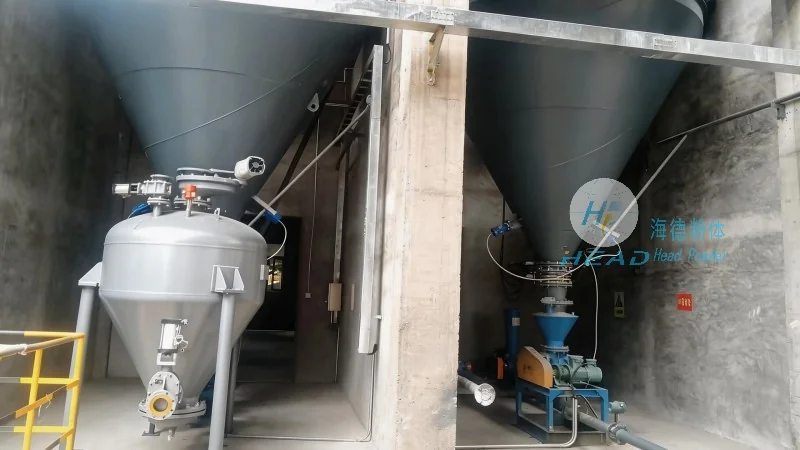
Key Considerations for System Design
When designing a high-temperature fly ash pneumatic conveying system, several critical factors must be addressed to ensure optimal performance. The first is the temperature of the fly ash, as high temperatures can affect material properties and system components. Materials like silica, aluminum, and iron oxides in fly ash become more abrasive at elevated temperatures, potentially increasing wear on pipes and valves. Therefore, selecting materials with high thermal resistance and wear resistance is crucial. Additionally, the flow rate and pressure requirements must be determined based on the plant's production capacity and the distance the ash needs to be conveyed. System designers must also consider the dust concentration and the need for filtration to comply with environmental regulations. These factors collectively influence the choice of conveying method—whether it's positive or negative pressure, and the type of equipment such as blowers, cyclones, and filters.
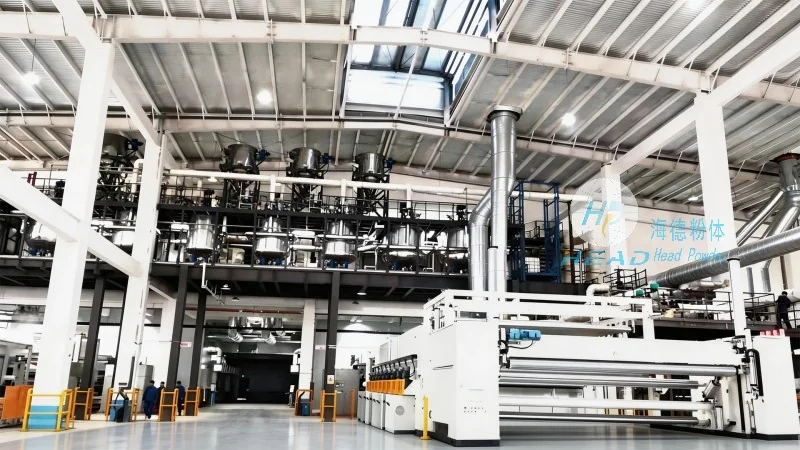
Core Components of a High-Temperature Fly Ash Pneumatic Conveying System
The core components of a high-temperature fly ash pneumatic conveying system include the source of air or gas, the conveying line, and the collection equipment. The blower or compressor is the primary driver, providing the necessary pressure to move the ash through the system. For high-temperature applications, blowers made of materials like stainless steel or high-temperature-resistant alloys are preferred to withstand the heat and abrasive nature of the material. The conveying line, typically made of steel or plastic, must be designed to handle the temperature and pressure, with appropriate insulation to prevent heat loss and maintain the ash's temperature. Cyclones or separators are used to separate the ash from the air stream, and filters are essential for capturing fine particles and complying with air quality standards. In some cases, additional components like heat exchangers or cooling systems may be required to manage the temperature of the ash and the air.
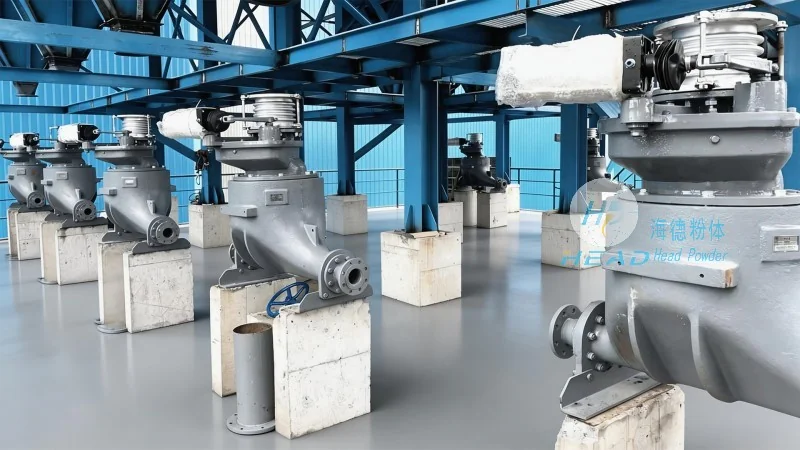
HeadPowder's Expertise in High-Temperature Fly Ash Conveying
Shandong HeadPowder Engineering Co., Ltd. (headpowder) has extensive experience in designing and implementing high-temperature fly ash pneumatic conveying systems. With a team of skilled engineers and technicians, headpowder specializes in custom solutions tailored to the specific needs of each client. The company's approach involves a thorough analysis of the client's operational parameters, including fly ash characteristics, temperature, and flow rates, to develop a system that maximizes efficiency and minimizes downtime. HeadPowder's engineers use advanced software and simulation tools to model the system and predict performance, ensuring that the design meets all safety and environmental regulations. The company also provides comprehensive support, including installation, commissioning, and maintenance services, to ensure the system operates at peak performance throughout its lifecycle.
Optimization and Maintenance Strategies
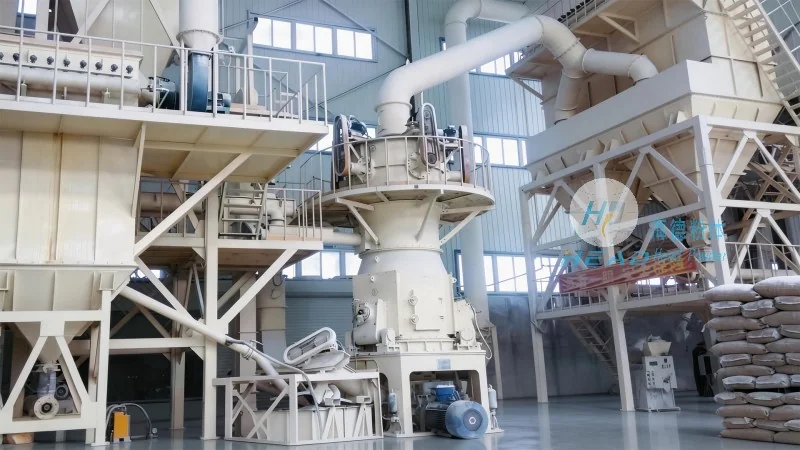
Optimizing a high-temperature fly ash pneumatic conveying system involves regular monitoring and maintenance to prevent issues such as blockages, wear, and inefficiencies. Regular inspection of components like pipes, valves, and filters is essential to detect and address problems early. Using high-quality materials and components from reputable manufacturers can reduce the risk of failure and extend the system's lifespan. Additionally, implementing a preventive maintenance schedule, including cleaning and replacing filters, can improve system efficiency and reduce operational costs. For high-temperature systems, monitoring temperature and pressure levels is critical to ensure the system operates within safe limits. HeadPowder offers maintenance services tailored to the specific needs of each system, including on-site inspections and technical support to address any issues that may arise.
Designing a reasonable high-temperature fly ash pneumatic conveying system requires a comprehensive approach that considers the unique challenges of handling hot, abrasive materials. By addressing key factors such as material properties, flow rates, and environmental regulations, and leveraging the expertise of companies like Shandong HeadPowder Engineering Co., Ltd., industrial facilities can achieve efficient and reliable fly ash handling. With proper design, implementation, and maintenance, high-temperature pneumatic conveying systems can significantly improve operational efficiency and reduce costs, making them a valuable investment for power plants and other facilities.