

How to Design a Reasonable Calcined Gypsum Pneumatic Conveying System Plan?
When it comes to transporting calcined gypsum efficiently and safely, a well-designed pneumatic conveying system is essential. The process of calcined gypsum, a key material in construction and industrial applications, requires specialized equipment and careful planning to ensure optimal performance. This article explores the critical factors involved in designing a reliable calcined gypsum pneumatic conveying system, with a focus on practical solutions and industry standards.
Understanding the Core Components of a Pneumatic Conveying System
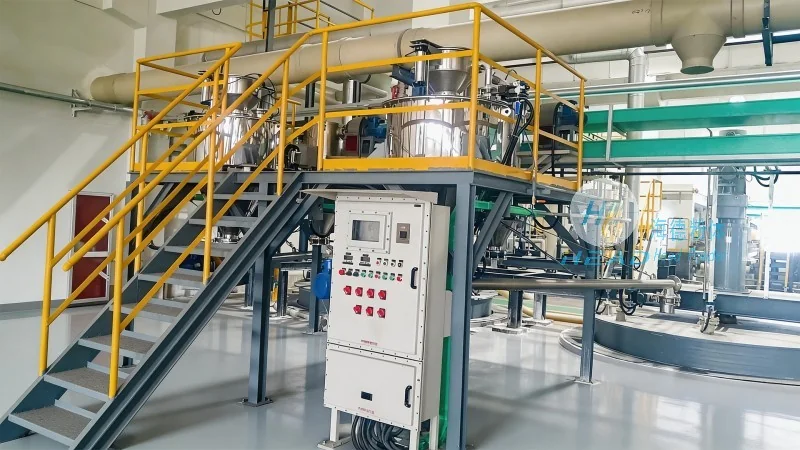
A pneumatic conveying system for calcined gypsum typically consists of several key components that work in tandem to move material from one location to another. These components include the material feed system, conveying pipeline, air supply unit, and control mechanisms. Each component plays a vital role in maintaining the efficiency and safety of the entire operation. The material feed system, often a hopper or feeder, ensures a consistent flow of calcined gypsum into the system. The conveying pipeline, usually made of durable materials like stainless steel or PVC, is designed to withstand the abrasive nature of calcined gypsum while minimizing pressure losses. The air supply unit, which may include a blower or compressor, provides the necessary air pressure to move the material through the pipeline. Control mechanisms, such as valves and sensors, help regulate the flow and pressure, preventing issues like blockages or over-pressurization.
Design Considerations for Optimal Performance
Designing a pneumatic conveying system for calcined gypsum involves several critical considerations to ensure it meets the specific needs of the application. First, the system must be designed to handle the material's characteristics, including its particle size, density, and moisture content. Calcined gypsum is often a fine powder, which can lead to issues like dust accumulation and blockages if not properly managed. Therefore, incorporating features like cyclones or filters to separate dust from the conveying air is essential. Second, the system's capacity and flow rate must be matched to the production requirements. Overloading the system can lead to reduced efficiency and increased wear on components. Third, the system's layout and pipeline configuration should be optimized to minimize pressure drops and energy consumption. This may involve using appropriate pipe diameters, elbows, and bends to maintain a smooth flow of material. Additionally, the system should be designed with safety in mind, including features like pressure relief valves and emergency shut-off mechanisms to prevent accidents.
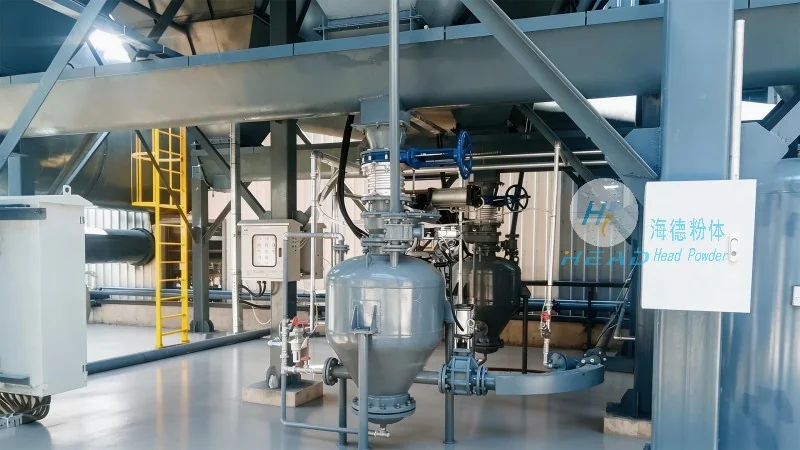
HeadPowder's Expertise in Calcined Gypsum Pneumatic Conveying Systems
Shandong HeadPowder Engineering Co., Ltd., commonly known as HeadPowder, is a leading provider of engineering solutions for material handling systems, including pneumatic conveying systems for calcined gypsum. With years of experience in the industry, HeadPowder has developed a deep understanding of the unique challenges associated with transporting calcined gypsum. The company's team of experts works closely with clients to design customized systems that meet their specific requirements, ensuring optimal performance and reliability. HeadPowder's approach to system design emphasizes the use of high-quality materials and advanced technology to deliver systems that are both efficient and durable. The company's commitment to quality and customer satisfaction has made it a trusted partner for businesses in the construction and industrial sectors.
Addressing Common Challenges in Calcined Gypsum Pneumatic Conveying
Despite advancements in technology, common challenges still arise when designing and operating pneumatic conveying systems for calcined gypsum. One of the most common issues is blockage, which can occur due to the material's tendency to agglomerate or stick to the pipeline walls. To address this, HeadPowder recommends incorporating features like vibration devices or air knives into the system design. Another challenge is the accumulation of dust, which can affect the system's efficiency and pose health risks. HeadPowder's systems often include advanced filtration and dust collection systems to mitigate these issues. Additionally, the system's maintenance requirements must be considered to ensure long-term reliability. Regular cleaning and inspection of components are essential to prevent wear and tear and extend the system's lifespan.
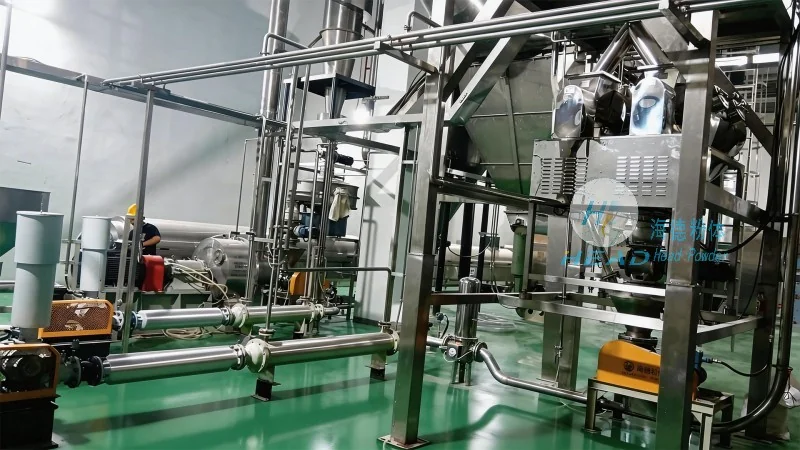
Conclusion: The Importance of Professional System Design
Designing a reasonable calcined gypsum pneumatic conveying system requires careful planning, expertise, and attention to detail. By considering the material's characteristics, system components, and operational requirements, businesses can ensure they have a reliable and efficient system that meets their needs. HeadPowder, with its extensive experience and commitment to quality, is a trusted partner for companies seeking to implement effective pneumatic conveying systems for calcined gypsum. By working with experts like HeadPowder, businesses can avoid common pitfalls and achieve optimal performance in their material handling operations.