

Urea Granule Pneumatic Conveying: An Efficient and Environmentally Friendly Material Handling Soluti
Urea granule pneumatic conveying is a modern material handling technology that offers significant advantages in efficiency and environmental sustainability. This method involves transporting urea granules through a pipeline using air or other gases as the conveying medium. By leveraging the principles of pneumatic transport, this system provides a reliable and efficient solution for moving urea granules from storage to processing units or other destinations. The technology has gained popularity in the fertilizer industry due to its ability to handle bulk materials with minimal human intervention and reduced operational costs.
About HeadPowder Engineering
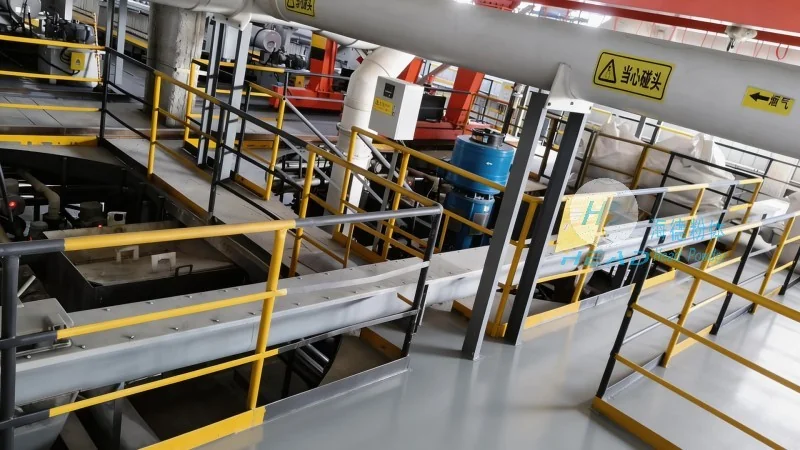
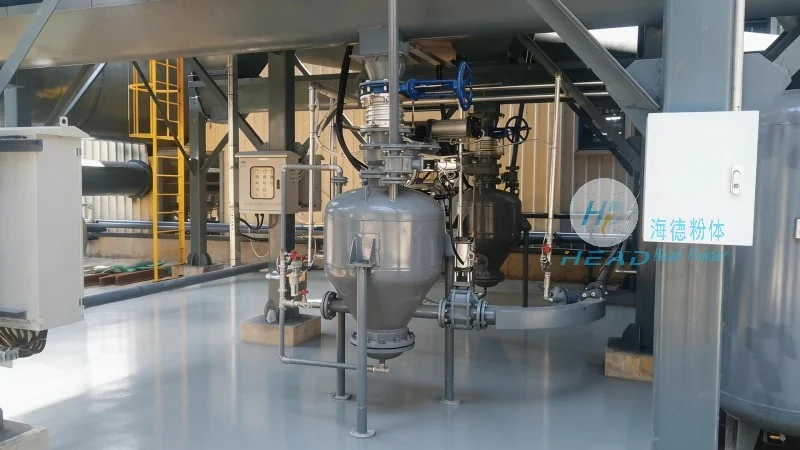
HeadPowder, formally known as Shandong HeadPowder Engineering Co., Ltd., is a leading provider of advanced material handling solutions. With a strong presence in China, particularly in Shandong province, the company specializes in designing and implementing efficient and environmentally friendly conveying systems for various industrial applications. HeadPowder's expertise lies in optimizing material transport processes, ensuring minimal environmental impact while maximizing operational efficiency. The company's headquarters and primary operations are located in Shandong, China, where it serves a wide range of clients across the agricultural and industrial sectors.
Efficiency and Environmental Benefits
The pneumatic conveying of urea granules offers several key advantages over traditional methods such as belt conveyors or truck transport. One of the primary benefits is the high efficiency in material movement. Pneumatic systems can transport urea granules over long distances with minimal energy consumption, reducing operational costs and improving overall productivity. For example, a typical pneumatic conveying system can move thousands of tons of urea granules per day with lower energy usage compared to conventional methods. Additionally, this method significantly reduces the risk of material spillage and dust generation, contributing to a cleaner and safer working environment. From an environmental perspective, pneumatic conveying minimizes the carbon footprint associated with material handling by eliminating the need for heavy machinery and reducing fuel consumption. This aligns with global sustainability goals and helps industries meet regulatory requirements for reduced emissions and waste.
System Components and Operational Principles
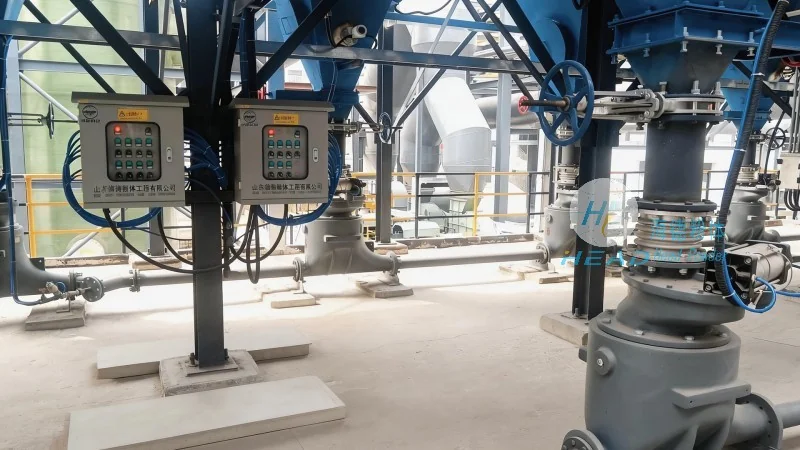
The urea granule pneumatic conveying system typically consists of several key components, including a hopper for material storage, a feeder to control the flow of granules, a conveying pipeline, and a receiver for the destination. The system operates by feeding urea granules into the pipeline and using air pressure to move them through the system. The air flow is carefully controlled to ensure consistent and reliable transport, with the velocity and pressure adjusted based on the material characteristics and pipeline length. This technology allows for precise control over the conveying process, enabling seamless integration with existing industrial processes. The hopper is designed to store the urea granules and provide a consistent feed to the feeder, which regulates the flow rate. The conveying pipeline is made of durable materials, such as stainless steel or special plastics, to withstand the abrasive nature of urea granules and resist corrosion. The receiver at the end of the pipeline collects the urea granules and can be connected to processing units or storage facilities. The system also includes control equipment, such as pressure sensors and flow meters, to monitor and adjust the conveying process in real-time.
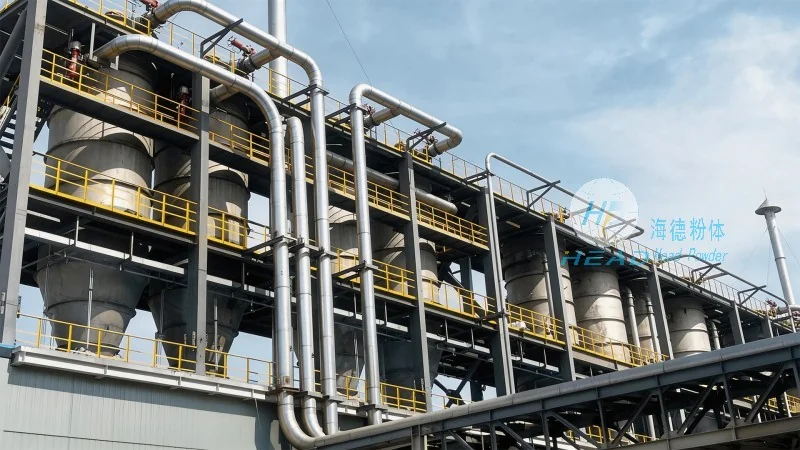
Application and Integration
Urea granule pneumatic conveying is widely used in the fertilizer industry, where efficient and safe transport of urea granules is critical. The system can be integrated with storage facilities, production lines, and distribution centers, ensuring a continuous and uninterrupted supply of urea. HeadPowder's solutions are designed to meet the specific requirements of each client, considering factors such as material properties, distance, and environmental regulations. By customizing the system components and operational parameters, HeadPowder ensures that the conveying process is optimized for maximum efficiency and minimal environmental impact. For instance, in a large-scale fertilizer plant, the pneumatic conveying system can connect the urea granule storage silo to the production line, allowing for a smooth flow of material without the need for manual handling. This integration not only improves operational efficiency but also reduces labor costs and enhances workplace safety.
Conclusion
Urea granule pneumatic conveying represents a forward-thinking approach to material handling, combining efficiency, environmental responsibility, and technological innovation. HeadPowder Engineering, with its expertise and commitment to quality, provides comprehensive solutions that address the evolving needs of the industrial sector. By leveraging this technology, industries can enhance their operational performance while adhering to sustainable practices, ensuring long-term success and environmental stewardship. The adoption of pneumatic conveying systems not only benefits individual companies by reducing costs and improving productivity but also contributes to the broader goal of sustainable industrial development. As the demand for efficient and eco-friendly material handling solutions continues to grow, the role of companies like HeadPowder becomes increasingly vital in driving technological advancements and promoting sustainable practices across the industry.