

How to Choose the Right Pneumatic Conveying System for Your Pigment Handling Process?
When it comes to managing pigment handling in industrial processes, selecting the appropriate pneumatic conveying system is crucial for efficiency, safety, and cost-effectiveness. The right system not only ensures smooth material transfer but also minimizes downtime and operational risks. This guide from Shandong HeadPowder Engineering Co., Ltd. (headpowder) outlines key considerations to help you make an informed decision for your pigment processing operations.
Understanding the Core Requirements of Pigment Handling
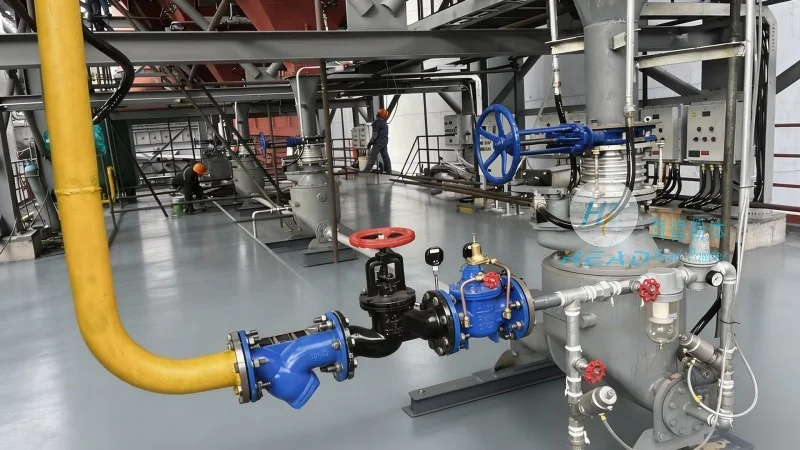
Pigments, whether used in coatings, inks, or other industrial applications, often present unique challenges during transport. Their fine particle size, varying density, and potential for static electricity all influence the choice of conveying technology. A well-designed pneumatic system must address these factors to maintain material integrity and prevent clogging or degradation. At headpowder, we recognize that each pigment application has distinct characteristics, which is why our experts conduct thorough assessments to tailor solutions to your specific needs.
Key Factors to Evaluate When Selecting a Pneumatic Conveying System
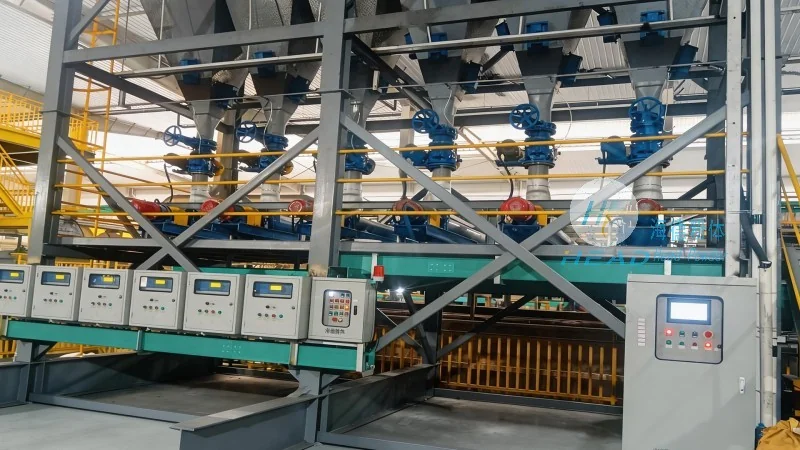
Several critical factors should guide your decision-making process when choosing a pneumatic conveying system for pigments. First, consider the material properties of your pigments—such as particle size distribution, moisture content, and flowability. These attributes determine the system's capacity and the type of air flow required. For example, systems with higher air velocity may be suitable for lighter, finer pigments, while those with lower velocity are better for bulkier or more abrasive materials. Additionally, the distance and layout of the conveying route play a significant role. Horizontal, vertical, or mixed configurations require different pressure levels and equipment specifications. Headpowder's team evaluates these parameters to recommend systems that optimize energy consumption and operational performance.
Types of Pneumatic Conveying Systems for Pigments
Two primary categories of pneumatic conveying systems are commonly used in pigment handling: positive pressure and negative pressure systems. Positive pressure systems, which blow air into the conveying line, are ideal for transporting materials over longer distances or through complex layouts. They offer better control over material flow and are less prone to clogging. Negative pressure systems, on the other hand, draw material into the system using suction, making them suitable for applications where dust control is a priority or where the material is to be transferred from a lower elevation. Both systems have their advantages, and the choice depends on factors like the scale of operation, the need for dust containment, and the physical constraints of the facility. At headpowder, we provide both system types, ensuring flexibility to meet diverse customer requirements.
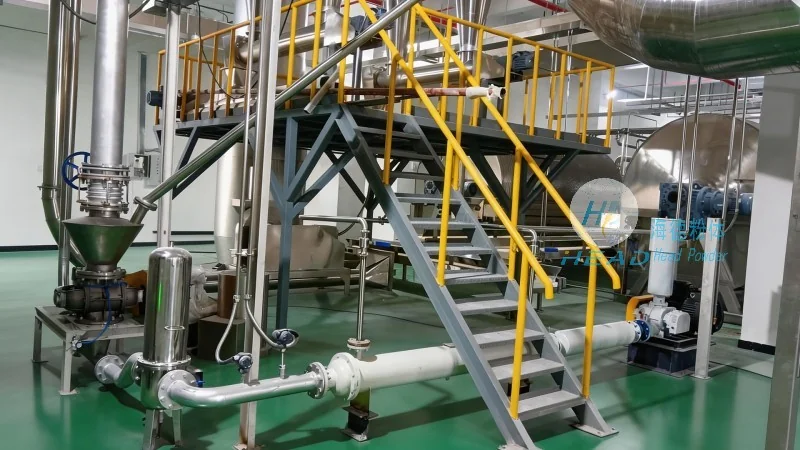
Design and Integration Considerations for Optimal Performance
Once the system type is determined, the design and integration aspects become critical. The selection of components such as air compressors, filters, and material feeders directly impacts the system's efficiency and reliability. High-quality air compressors with appropriate pressure ratings ensure consistent air flow, while effective filtration systems prevent dust accumulation and maintain air quality. Material feeders, such as rotary valves or screw conveyors, must be compatible with the pigment's characteristics to avoid blockages or material degradation. Headpowder specializes in customizing these components to match your pigment's properties, ensuring seamless integration into existing or new processing lines.
Benefits of Choosing a Customized Pneumatic Conveying Solution from headpowder
Opting for a customized pneumatic conveying system from headpowder offers several advantages over off-the-shelf solutions. Our tailored approach ensures that the system is optimized for your specific pigment handling requirements, leading to improved throughput, reduced energy consumption, and lower maintenance costs. By working closely with our engineering team, you can address unique challenges such as material variability or space constraints, resulting in a system that meets your operational goals. Moreover, our commitment to quality and reliability ensures that the equipment is built to withstand the demands of industrial pigment processing, providing long-term performance and durability.
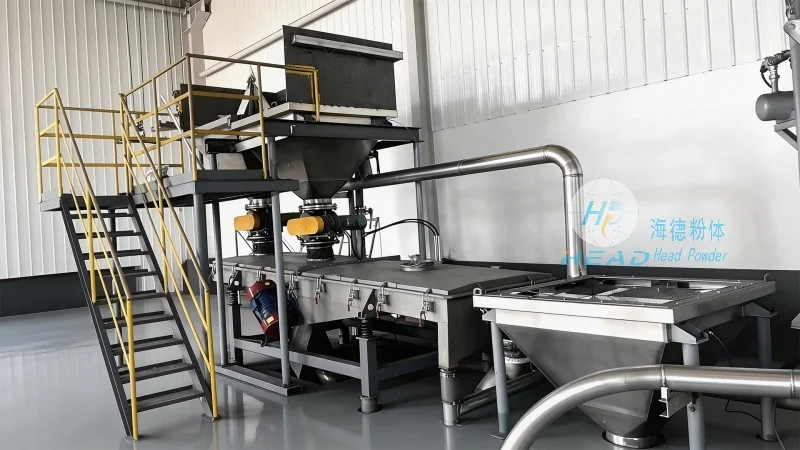
Conclusion: Making the Right Choice for Your Pigment Handling Process
Selecting the right pneumatic conveying system for your pigment handling process is a decision that requires careful evaluation of material properties, operational needs, and system capabilities. By considering factors such as material characteristics, conveying distance, and system type, you can ensure that your chosen solution enhances efficiency and safety. Shandong HeadPowder Engineering Co., Ltd. (headpowder) is dedicated to providing expert guidance and customized solutions to help you achieve optimal performance in your pigment processing operations. Whether you need a new system installation or an upgrade to an existing setup, headpowder's team of professionals is ready to assist you in selecting the most suitable pneumatic conveying system for your needs.