

How to Choose the Right Pneumatic Conveying System for Your Sesame Processing Line
When it comes to sesame processing, efficient material handling is crucial for maintaining product quality and operational efficiency. Among the various methods available, pneumatic conveying systems have emerged as a preferred solution for transporting sesame and its byproducts. However, selecting the appropriate system for your specific sesame processing line requires careful consideration of several key factors. This article aims to guide you through the process of choosing the right pneumatic conveying system, ensuring optimal performance and cost-effectiveness in your sesame handling operations.
Understanding the Importance of Pneumatic Conveying in Sesame Processing
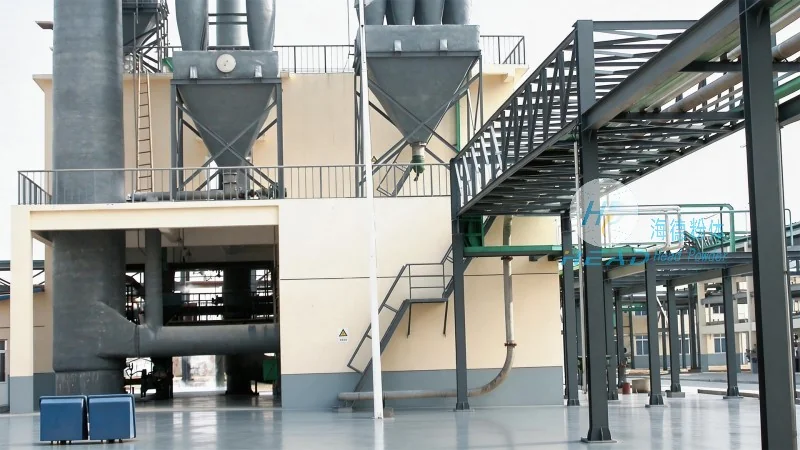
Sesame, a small but nutrient-rich seed, is widely used in food production, cosmetics, and other industries. Its processing involves several stages, including cleaning, hulling, grinding, and packaging. Each stage requires reliable material transport to prevent contamination, maintain product integrity, and streamline workflow. Pneumatic conveying systems offer a dust-free, hygienic, and flexible way to move sesame and its components through the processing line. Unlike mechanical systems, they eliminate the need for moving parts in contact with the product, reducing the risk of contamination and ensuring compliance with food safety standards.
Key Factors to Consider When Selecting a Pneumatic Conveying System for Sesame
Choosing the right pneumatic conveying system for your sesame processing operation involves evaluating several critical factors. The first consideration is the type of material being conveyed—sesame seeds are relatively light and have a tendency to create dust, which can affect system performance. The system must be designed to handle these characteristics effectively. Additionally, the capacity requirements of your processing line are paramount. Whether you need to transport small batches or large volumes, the system must be capable of meeting your throughput needs without compromising on efficiency. Another crucial factor is the distance and layout of the processing facility. The system should be able to cover the required distance while maintaining consistent flow rates. Furthermore, the environmental conditions within the processing plant, such as temperature and humidity, can impact the system's performance. A well-designed system should be able to operate efficiently under these conditions, ensuring reliable operation.
Types of Pneumatic Conveying Systems Suitable for Sesame Processing
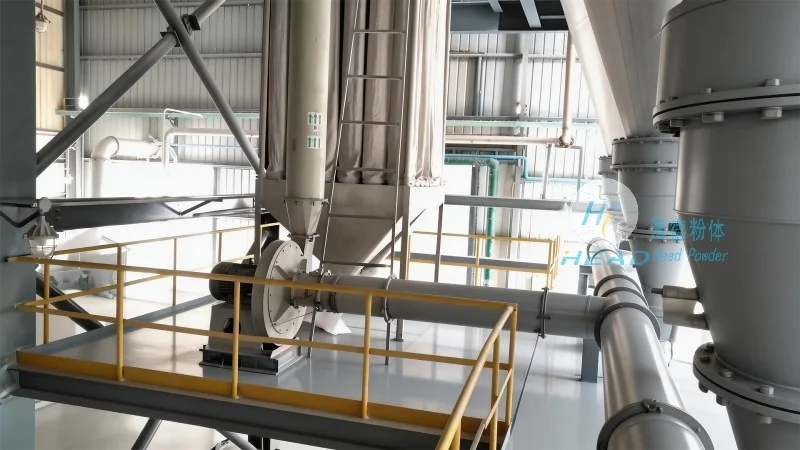
There are several types of pneumatic conveying systems available, each with its own advantages and applications. For sesame processing, the most common systems include positive pressure systems and negative pressure systems. Positive pressure systems use a blower to push air and material through the pipeline, making them suitable for long-distance and high-capacity applications. They are particularly effective for transporting sesame from storage silos to processing equipment. Negative pressure systems, on the other hand, use a vacuum to draw material into the system, which is ideal for short-distance and low-volume applications. These systems are often used for transferring sesame from processing equipment to packaging lines. Another option is the hybrid system, which combines elements of both positive and negative pressure systems, offering flexibility for different operational needs. The choice of system depends on the specific requirements of your sesame processing line, including the distance, capacity, and layout of the facility.
Material Handling Considerations for Sesame Conveying
When selecting a pneumatic conveying system for sesame, it is essential to consider the material's properties. Sesame seeds are relatively small and have a tendency to create dust, which can affect the system's performance and require additional filtration. The system must be equipped with appropriate filters and cyclones to prevent dust accumulation and maintain air quality. Additionally, the system should be designed to handle the abrasive nature of sesame hulls, which can cause wear and tear on components over time. High-quality materials and components are essential to ensure the longevity and reliability of the system. Furthermore, the system should be easy to clean and maintain, as sesame processing environments require regular sanitation to prevent contamination. A well-designed system will have accessible components that can be cleaned and replaced without disrupting the entire operation.
Energy Efficiency and Cost-Effectiveness in Sesame Processing
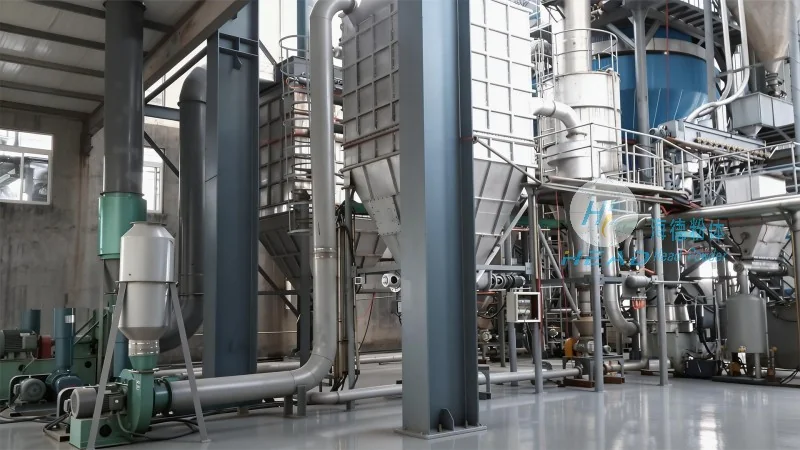
Energy efficiency is a critical factor in the long-term operation of a pneumatic conveying system for sesame processing. The system should be designed to minimize energy consumption while maintaining optimal performance. This can be achieved through the use of high-efficiency blowers and optimized system design. Additionally, the system should be cost-effective to install and maintain. The initial investment in a high-quality system may be higher, but the long-term savings in energy and maintenance costs can outweigh the initial expense. It is important to consider the total cost of ownership, including the cost of replacement parts and maintenance services, when evaluating different systems. A well-designed system will provide a good return on investment over its operational life.
Conclusion: Choosing the Right Pneumatic Conveying System for Your Sesame Processing Line
Selecting the right pneumatic conveying system for your sesame processing line is a critical decision that can significantly impact your operational efficiency and product quality. By considering factors such as material properties, capacity requirements, facility layout, and environmental conditions, you can choose a system that meets your specific needs. It is also important to work with a reputable supplier who understands the unique challenges of sesame processing and can provide tailored solutions. With the right system in place, you can ensure efficient material handling, maintain product integrity, and achieve optimal performance in your sesame processing operations. For more information on pneumatic conveying systems for sesame processing, contact Shandong HeadPowder Engineering Co., Ltd., a leading provider of material handling solutions in China.