

How to Select the Appropriate Pneumatic Conveying System for Your Dry Gravel Handling Process?
When it comes to handling dry gravel in industrial processes, selecting the appropriate pneumatic conveying system is crucial for efficiency, cost-effectiveness, and operational reliability. The right system not only ensures smooth material transport but also minimizes downtime and maintenance costs. This guide will help you understand the key factors to consider when choosing a pneumatic conveying system for your dry gravel handling applications.
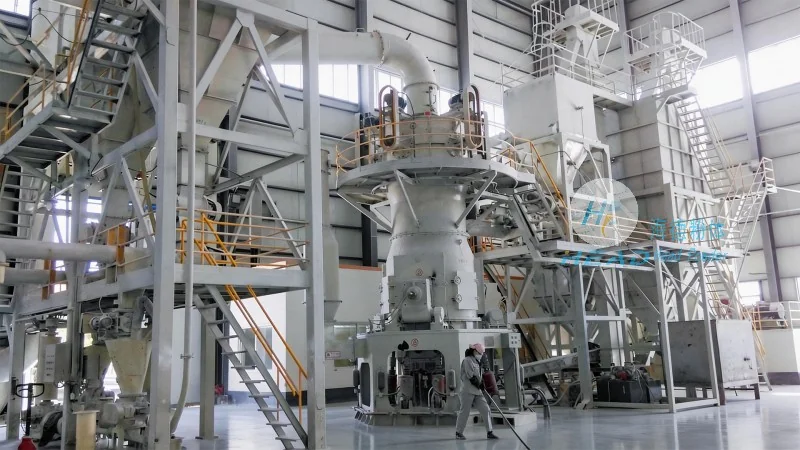
Understanding Dry Gravel Characteristics
Dry gravel, with its varying particle sizes, density, and flow properties, presents unique challenges in material handling. The characteristics of the gravel, such as its size distribution, moisture content, and abrasiveness, directly impact the choice of pneumatic conveying system. For instance, larger or more abrasive particles may require systems with higher pressure or specialized components to prevent wear and ensure consistent performance. Understanding these characteristics is the first step in selecting an effective conveying solution.
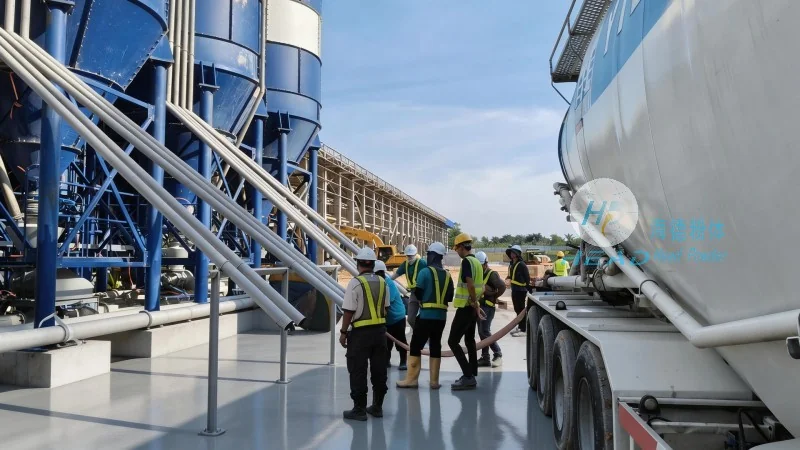
Types of Pneumatic Conveying Systems
There are several types of pneumatic conveying systems, each with its own advantages and suitability for different applications. The primary categories include positive pressure, negative pressure, and hybrid systems. Positive pressure systems use compressed air to push material through the pipeline, making them ideal for long-distance or high-volume transport. Negative pressure systems, on the other hand, use suction to draw material into the system, which is often preferred for applications requiring dust control or handling fine particles. Hybrid systems combine elements of both, offering flexibility for complex handling scenarios. For dry gravel, positive pressure systems are commonly preferred due to their ability to handle abrasive materials and maintain consistent flow rates.
Key Factors in System Selection
Several critical factors must be evaluated when selecting a pneumatic conveying system for dry gravel. The distance between the source and destination is a primary consideration, as it determines the required pressure and system design. The volume of material to be handled per hour also plays a significant role, as it influences the system's capacity and power requirements. Additionally, the layout of the facility, including existing infrastructure and space constraints, must be taken into account. Environmental considerations, such as the need for dust control or compliance with regulations, can also impact the choice of system. Finally, the budget and long-term maintenance costs should be considered to ensure the system is both effective and cost-efficient.
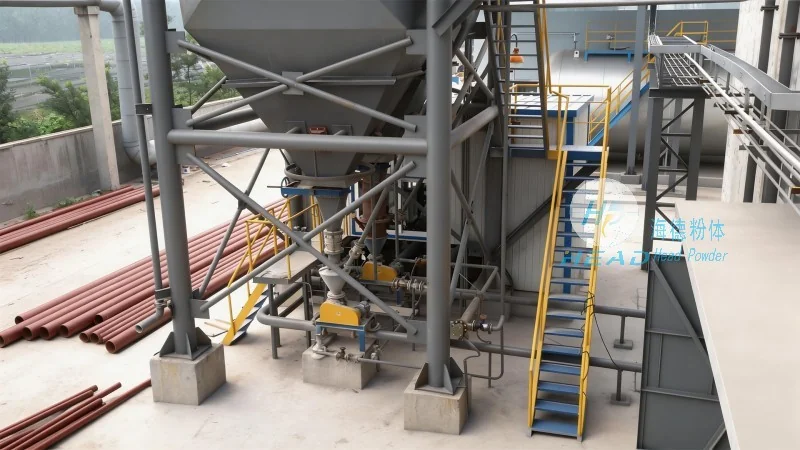
Role of Shandong HeadPowder Engineering Co., Ltd.
Shandong HeadPowder Engineering Co., Ltd., operating under the brand name headpowder, specializes in designing and manufacturing customized pneumatic conveying systems tailored to the specific needs of industrial clients. With a focus on quality and innovation, headpowder provides solutions that address the unique challenges of dry gravel handling. Their expertise in material science and engineering allows them to develop systems that optimize performance while minimizing operational costs. By working closely with clients, headpowder ensures that the selected system meets all operational requirements and adheres to industry standards. The company's commitment to customer satisfaction and technical excellence makes it a trusted partner in the selection and implementation of pneumatic conveying systems for dry gravel applications.
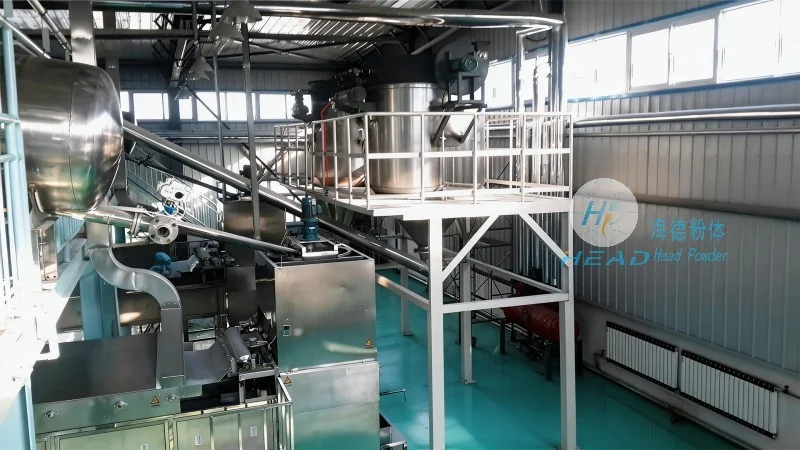
Conclusion
Selecting the right pneumatic conveying system for your dry gravel handling process requires a thorough understanding of material characteristics, system types, and operational requirements. By considering factors such as distance, volume, layout, and environmental needs, you can choose a system that enhances efficiency and reliability. Companies like Shandong HeadPowder Engineering Co., Ltd. offer specialized expertise and customized solutions to help you achieve optimal performance in your dry gravel handling operations. Investing in the right system not only improves productivity but also contributes to long-term cost savings and operational success.