

What Are the Types of Biomass Conveying? An Introduction to HeadPowder's Biomass Pneumatic Conveying Solutions
Biomass is a vital renewable energy source that supports sustainable development goals. The efficient transportation of biomass materials is critical for industries involved in power generation, biofuel production, and material processing. Various conveying methods exist, each with distinct characteristics and applications. Understanding these options helps businesses select the most suitable solution for their operational needs.
Common Biomass Conveying Methods
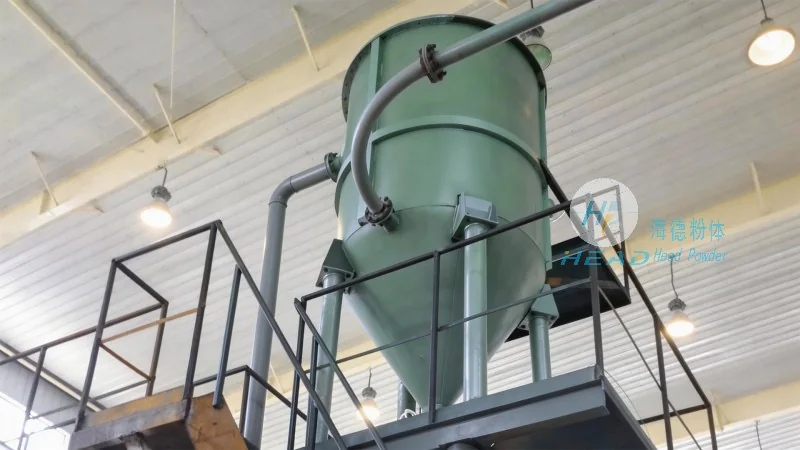
Traditional biomass conveying techniques include gravity-based systems, mechanical conveyors such as belt conveyors, screw conveyors, and bucket elevators. Gravity systems rely on the material's natural slope to move it, which is suitable for short distances and low material volumes. Mechanical conveyors are widely adopted due to their reliability and ability to handle diverse materials. However, they often require regular maintenance and may have limitations in terms of material handling capacity and flexibility.
Advantages of Pneumatic Conveying for Biomass
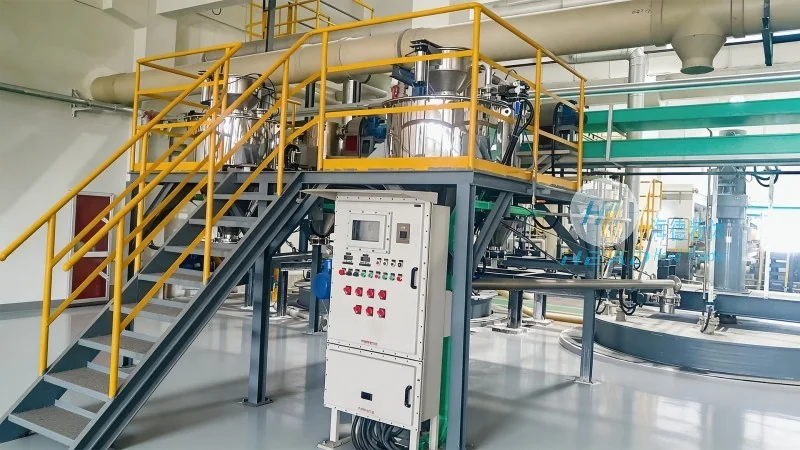
Pneumatic conveying, or air-based transport, offers significant advantages over conventional methods. It provides a flexible and efficient means to transport biomass materials over long distances and varying elevations. The system uses compressed air to move materials through a network of pipes, eliminating the need for mechanical components at the discharge point. This reduces wear and tear and minimizes maintenance requirements. Additionally, pneumatic systems can handle a wide range of biomass types, including powders, granules, and bulk materials, with minimal material degradation.
HeadPowder's Biomass Pneumatic Conveying Solutions
Shandong HeadPowder Engineering Co., Ltd., a leading manufacturer in the industry, specializes in providing advanced pneumatic conveying systems tailored to biomass processing needs. The company's solutions are designed to optimize material transport efficiency while ensuring environmental compliance and operational safety. HeadPowder's systems are equipped with high-quality components, including robust air compressors, durable pipelines, and intelligent control systems that enhance performance and reduce downtime.
Key Features of HeadPowder's Biomass Conveying Systems
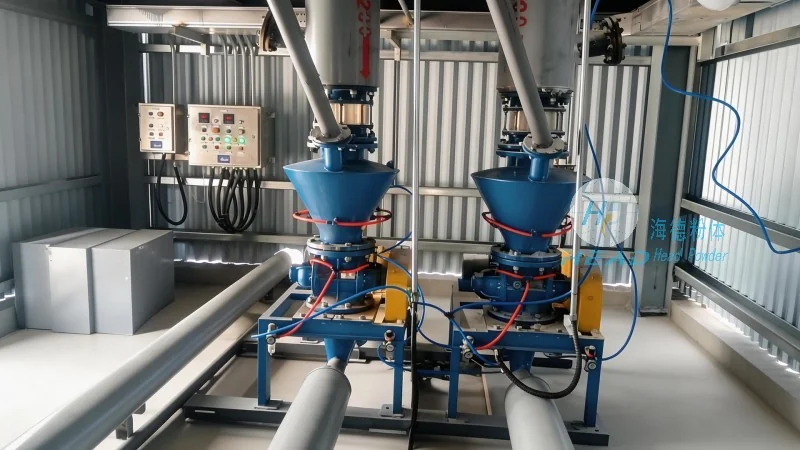
HeadPowder's biomass pneumatic conveying systems are engineered with precision to meet modern biomass application demands. The systems can be configured as either positive pressure or negative pressure, depending on material and process requirements. Positive pressure systems are ideal for transporting materials from a central source to multiple destinations, while negative pressure systems are suitable for handling dust or fine powders. The company's designs incorporate advanced filtration and dust control measures to minimize environmental impact and ensure workplace safety. Furthermore, the systems are constructed from corrosion-resistant materials, such as stainless steel, to withstand the acidic and abrasive nature of biomass materials.
Applications and Performance
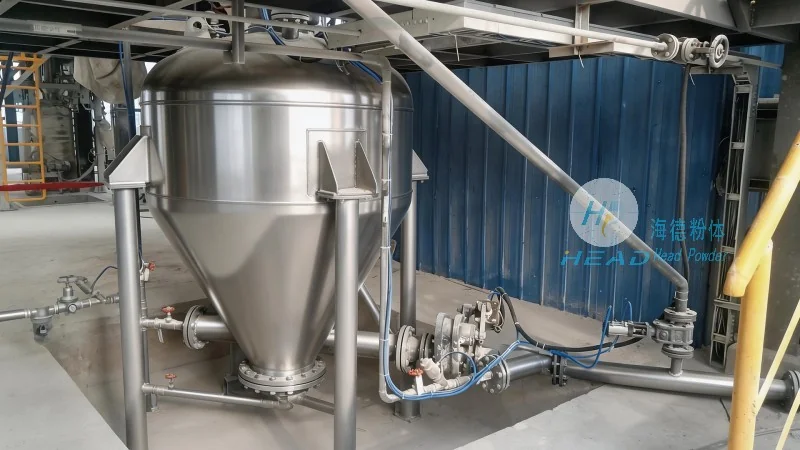
HeadPowder's biomass pneumatic conveying solutions are widely used in industries like biomass power plants, biofuel production facilities, and agricultural processing operations. The systems are capable of handling large volumes of biomass materials at high speeds, improving overall production efficiency. For instance, in biomass power generation, efficient fuel transport to the boiler enhances plant operational capacity and reduces fuel handling costs. In biofuel production, consistent material flow to processing units leads to higher yields and better product quality.
Company Information and Expertise
HeadPowder, headquartered in Shandong, China, has established a strong reputation for delivering reliable and efficient biomass conveying solutions. The company leverages years of experience and technical expertise to develop customized systems that meet client-specific needs. By focusing on innovation and quality, HeadPowder has become a trusted partner for industries seeking to optimize their biomass handling processes. The company's commitment to sustainability and environmental responsibility aligns with global trends toward renewable energy and green technologies.