

Foam Plastic Conveying Methods: An Introduction to HeadPowder's Pneumatic Conveying Solutions
When it comes to handling foam plastic materials, selecting the right conveying method is crucial for efficiency, cost-effectiveness, and material integrity. Foam plastics, such as polystyrene, polyethylene, and polypropylene foams, present unique challenges due to their lightweight, porous, and often irregular shapes. Traditional methods like belt conveyors or manual handling may not be suitable for these materials, as they can lead to material degradation, increased dust generation, or inefficient processing. This article explores the various conveying methods available for foam plastics and highlights the advantages of pneumatic conveying solutions offered by Shandong HeadPowder Engineering Co., Ltd., commonly known as HeadPowder.
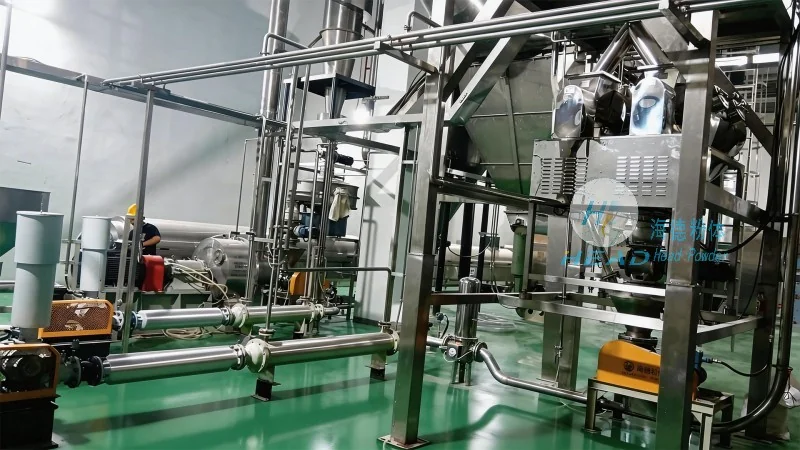
Understanding Foam Plastic Conveying Challenges
Before delving into specific conveying methods, it's essential to understand the challenges associated with foam plastic handling. Foam materials are typically lightweight and have low bulk density, which can make them difficult to move through traditional mechanical systems. Additionally, their porous structure can cause dust or fines to be generated during handling, leading to environmental and health concerns. The irregular shapes of some foam products can also hinder smooth movement on conveyors, increasing the risk of material breakage or equipment damage. These factors make specialized conveying solutions necessary to ensure safe, efficient, and cost-effective material transport.
Common Conveying Methods for Foam Plastics
Several conventional conveying methods are used in industries dealing with foam plastics, each with its own set of advantages and limitations. One common approach is the use of belt conveyors, which are effective for transporting larger, more uniform foam pieces. However, belt conveyors may struggle with lightweight or irregularly shaped foam, leading to material slippage or inefficient loading. Another method is manual handling, which is suitable for small-scale operations but is labor-intensive and prone to human error. Additionally, some manufacturers use screw conveyors, which can handle foam materials but may cause compression or damage to the foam's structure due to the mechanical pressure.
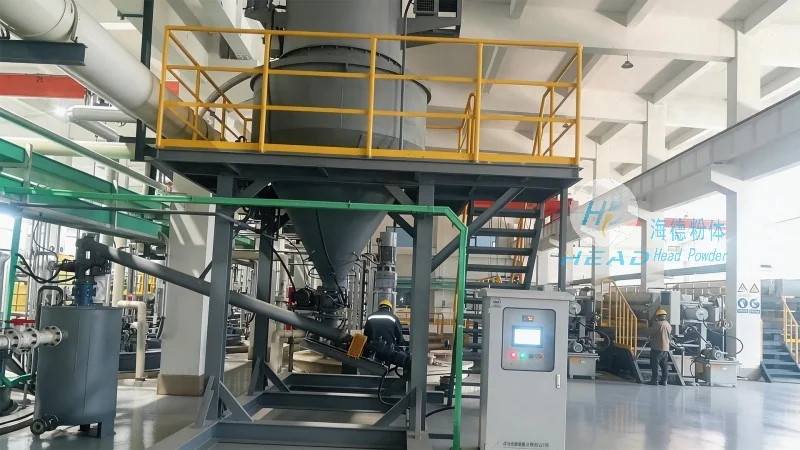
HeadPowder's Pneumatic Conveying Solutions
HeadPowder specializes in pneumatic conveying systems tailored for foam plastic materials. Pneumatic conveying uses air pressure to transport materials through a pipeline, eliminating the need for mechanical components that can damage or degrade foam. The company's solutions are designed to handle a wide range of foam types, including expanded polystyrene (EPS), extruded polystyrene (XPS), and polyethylene foam, with minimal material loss and maximum efficiency. Key features of HeadPowder's pneumatic conveying systems include:
Low-Pressure or High-Pressure Systems: Depending on the application, HeadPowder offers both low-pressure and high-pressure pneumatic conveying solutions. Low-pressure systems are ideal for gentle material handling, reducing the risk of foam compression or damage, while high-pressure systems are suitable for longer transport distances or more challenging material properties.
Flexible and Rigid Conveying Lines: The company provides both flexible and rigid conveying lines to accommodate different operational needs. Flexible hoses are useful for applications requiring frequent line changes or movement, while rigid pipelines offer higher efficiency and lower maintenance for continuous operations.
Specialized Nozzles and Venturi Systems: HeadPowder's pneumatic conveying systems include specialized nozzles and venturi devices that optimize air flow and material transport. These components ensure consistent material delivery and minimize air consumption, enhancing overall system efficiency.
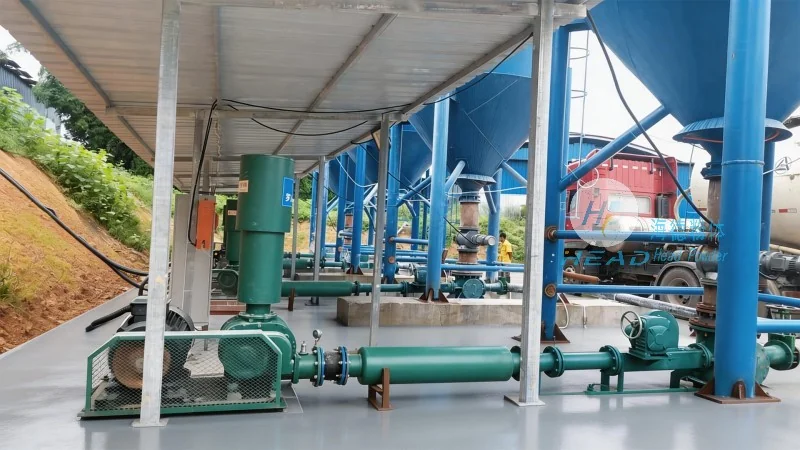
Advantages of HeadPowder's Pneumatic Conveying
Implementing HeadPowder's pneumatic conveying solutions offers several significant advantages for foam plastic manufacturers. First, the system minimizes material degradation by using air pressure instead of mechanical components, preserving the foam's lightweight and porous structure. This is particularly important for applications where foam integrity is critical, such as in packaging, insulation, or automotive parts. Second, pneumatic conveying reduces dust generation and improves workplace safety compared to traditional methods. The enclosed pipeline system prevents dust from escaping into the environment, reducing the risk of respiratory issues and environmental contamination. Third, the systems are highly efficient, with lower energy consumption compared to mechanical conveyors, leading to cost savings over time. Additionally, the flexibility of pneumatic conveying allows for easy integration with existing production lines, minimizing downtime during installation and operation.
Application Examples
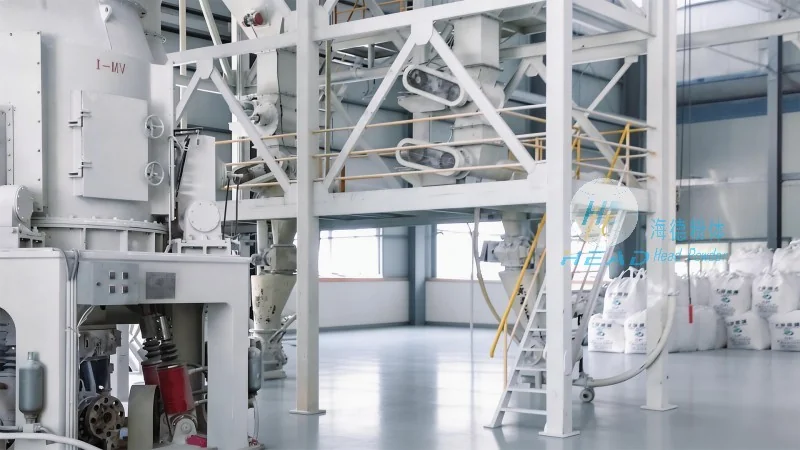
HeadPowder's pneumatic conveying solutions have been successfully implemented in various industries dealing with foam plastics. For example, in the packaging industry, the company's systems are used to transport EPS foam for food containers and insulation materials. The gentle handling of the pneumatic system ensures that the foam remains intact, preventing damage to the product during transport. In the automotive sector, HeadPowder's solutions are used to convey polyethylene foam for seat cushions and interior components, maintaining the foam's softness and shape. The high-pressure systems are particularly effective for longer transport distances, allowing manufacturers to move materials between different production stages efficiently. Additionally, in the construction industry, the company's pneumatic conveying systems are used to transport XPS foam for building insulation, ensuring consistent material delivery and reducing waste.
Conclusion
Choosing the right conveying method for foam plastics is essential for optimizing production efficiency and maintaining material quality. While traditional methods like belt conveyors and manual handling have their uses, pneumatic conveying solutions from HeadPowder offer a superior alternative for many applications. By leveraging air pressure and specialized components, HeadPowder's systems provide gentle, efficient, and safe material transport, reducing degradation, dust generation, and operational costs. For manufacturers dealing with foam plastics, investing in HeadPowder's pneumatic conveying solutions is a strategic decision that enhances productivity and ensures long-term success in the industry.