Công ty TNHH Kỹ thuật Headpowder Sơn Đông chuyên vận chuyển khí nén bột và hạt. Nhờ thế mạnh hợp tác doanh nghiệp‑trường‑viện, chúng tôi cung cấp giải pháp vận chuyển kín, không bụi, độ chính xác cao.
Dry ash handling is a critical process in power plants and industrial facilities, where the efficient and safe transport of ash from boilers to disposal or reclamation sites is essential. Various methods are employed for dry ash conveyance, each with its own set of advantages and limitations. Understanding these methods helps facility managers and engineers select the most suitable solution for their specific operational needs. This article explores common dry ash conveying methods and highlights the advantages of HeadPowder's dry ash pneumatic conveying system.
Common Dry Ash Conveying Methods
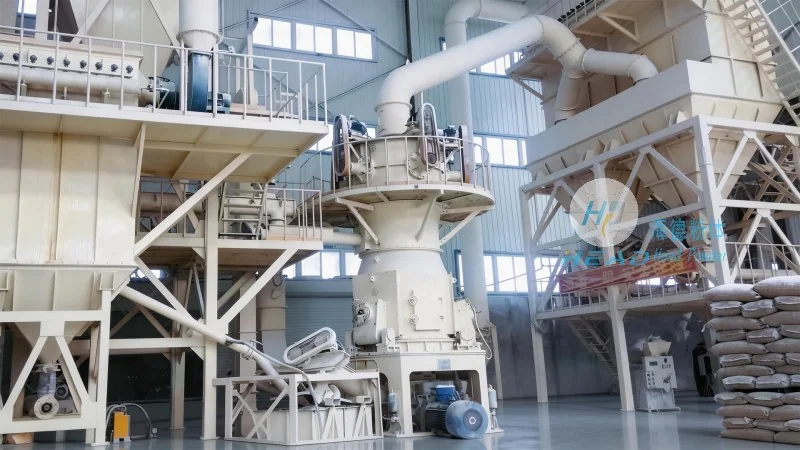
1. Gravity Conveying: This method relies on the natural force of gravity to move dry ash from the boiler to a storage or disposal area. It typically involves a series of inclined chutes or hoppers that allow the ash to slide down under the influence of gravity. While simple and low-cost, gravity conveying has significant limitations. It requires a steep slope, which may not be feasible in many plant layouts, and is highly dependent on the ash's moisture content and particle size. Wet or sticky ash can cause blockages, leading to system downtime and maintenance issues. Additionally, gravity systems are often limited in distance and capacity, making them unsuitable for long-distance or high-volume ash transport.
2. Mechanical Conveying: Mechanical systems, such as belt conveyors, screw conveyors, and bucket elevators, are widely used for dry ash transport. These systems utilize mechanical components to move ash through a pipeline or conveyor belt. Belt conveyors are effective for horizontal or slightly inclined transport over moderate distances, while screw conveyors are suitable for vertical or inclined movement, especially in confined spaces. Bucket elevators, on the other hand, are ideal for vertical transport, lifting ash from lower to higher levels. Mechanical conveying offers good control over the ash flow rate and can handle a wide range of ash types. However, these systems have several drawbacks. They require regular maintenance to prevent wear and tear on components, and they are susceptible to ash buildup and blockages, particularly with high-moisture or sticky ash. Additionally, mechanical conveyors can be noisy and may pose safety risks due to moving parts.
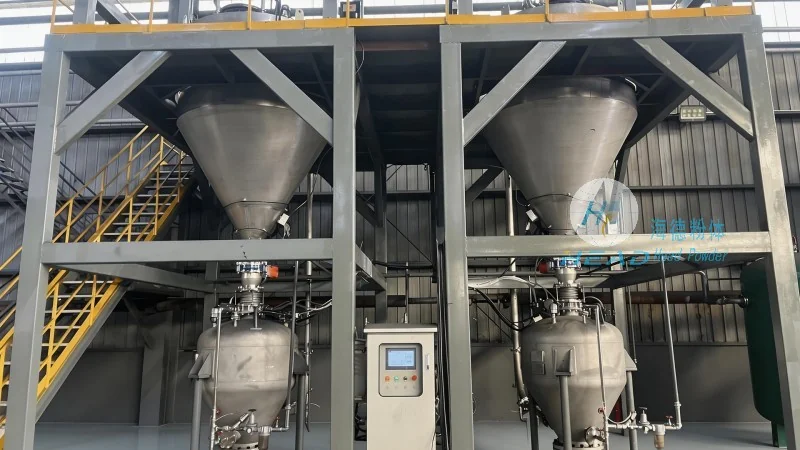
3. Pneumatic Conveying: Pneumatic systems use air pressure to transport dry ash through a pipeline. This method is particularly effective for long-distance, high-volume, and dusty ash transport. There are two main types of pneumatic conveying: positive displacement and pressure/venturi systems. Positive displacement systems use a pump to create a constant flow of air, pushing ash through the pipeline. Pressure systems rely on compressed air to move ash, while venturi systems use a high-velocity air stream to entrain ash particles. Pneumatic conveying offers several advantages, including high efficiency, minimal maintenance, and the ability to handle a wide range of ash characteristics. It can transport ash over long distances without the need for steep slopes or complex mechanical components. However, pneumatic systems require significant energy input to generate the necessary air pressure, and they may be less effective with very fine or abrasive ash particles.
HeadPowder's Dry Ash Pneumatic Conveying System: Advantages and Features
HeadPowder, a leading provider of dry ash handling solutions, offers a state-of-the-art dry ash pneumatic conveying system designed to address the challenges of traditional conveying methods. The system is engineered to deliver high efficiency, reliability, and environmental compliance, making it an ideal choice for power plants and industrial facilities seeking to optimize their ash transport operations.
Efficient and High-Capacity Transport: HeadPowder's pneumatic conveying system is capable of transporting dry ash over long distances with minimal pressure drop. The system utilizes advanced air management technology to maintain consistent flow rates, ensuring that ash is moved efficiently and without interruption. This high capacity makes it suitable for large-scale power plants with high ash production rates, reducing the need for multiple conveying lines and simplifying the overall system layout.
Environmental and Safety Benefits: One of the key advantages of HeadPowder's pneumatic system is its ability to minimize dust emissions and environmental impact. The system is designed with sealed pipelines and advanced filtration, ensuring that ash is contained and transported without releasing dust into the environment. This not only improves air quality at the facility but also helps in complying with environmental regulations. Additionally, the system reduces the risk of ash-related accidents, such as dust explosions or inhalation hazards, by maintaining a controlled environment.
Adaptability and Flexibility: HeadPowder's dry ash pneumatic conveying system is highly adaptable to various ash characteristics and plant layouts. The system can handle a wide range of ash types, including fine, coarse, and sticky ash, without requiring significant modifications. It can also be integrated with existing infrastructure, allowing for seamless upgrades or expansions. The modular design of the system enables easy installation and maintenance, reducing downtime and operational costs.

Low Maintenance and Long Lifespan: The system is engineered with durable materials and components that are resistant to ash abrasion and corrosion. This reduces the need for frequent maintenance and replacement of parts, resulting in lower operational costs over the system's lifespan. The use of high-quality seals and bearings further enhances the system's reliability, ensuring consistent performance and minimal downtime.
Conclusion
Choosing the right dry ash conveying method is crucial for the efficient and safe operation of power plants and industrial facilities. While gravity and mechanical conveying methods have their uses, they often fall short in terms of efficiency, environmental impact, and adaptability. HeadPowder's dry ash pneumatic conveying system offers a superior solution, combining high efficiency, environmental compliance, and flexibility. By leveraging advanced pneumatic technology, HeadPowder provides a reliable and cost-effective solution for dry ash transport, helping facilities optimize their operations and meet regulatory requirements. For facilities seeking to upgrade their ash handling systems, HeadPowder's pneumatic conveying system is a compelling choice that delivers long-term benefits.

 Shandong Headpowder Engineering Co., Ltd.
 156-6277-7102(Quản lý Trương)
  0531-83386006
  Thành phố Tế Nam, Tỉnh Sơn Đông, Trung Quốc
Điện thoại
WeChatTư vấn
Lên đầu