

Common Graphite Conveying Methods: Advantages and Features of HeadPowder's Pneumatic Conveying System
Graphite, a versatile material widely used in various industrial applications, requires efficient and reliable conveying methods to ensure smooth production processes. The choice of conveying system significantly impacts operational efficiency, material quality, and overall cost-effectiveness. This article explores common graphite conveying methods and highlights the advantages and features of HeadPowder's pneumatic conveying solutions.
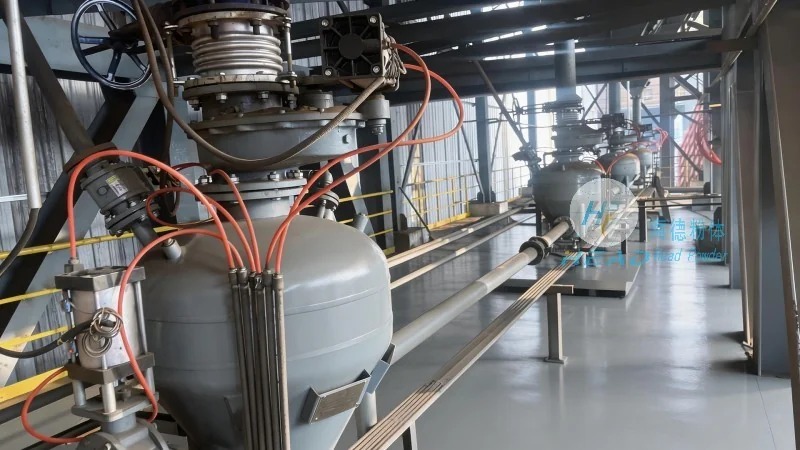
Common Graphite Conveying Methods
Several methods are employed for transporting graphite, each with distinct characteristics suited to different operational needs. The primary conventional methods include mechanical conveying systems such as belt conveyors, screw conveyors, and bucket elevators. These systems utilize mechanical force to move graphite through pipelines or open channels. While effective for bulk material handling, mechanical conveyors may face challenges with material degradation, especially for fine or powdery graphite, and can be less efficient in handling abrasive or high-temperature materials.
Another common approach is vacuum or pressure pneumatic conveying, which uses air or gas to transport graphite particles through a closed system. This method is particularly suitable for handling fine powders and can minimize material contamination and dust exposure. However, traditional pneumatic systems may have limitations in terms of distance, material density, and system complexity.
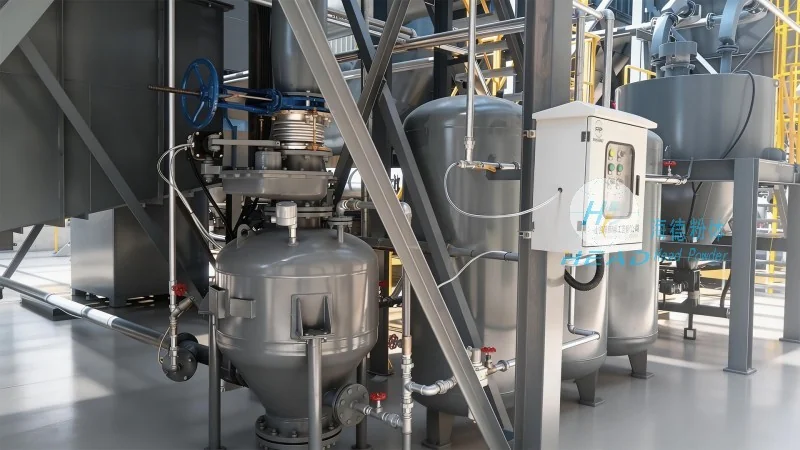
HeadPowder's Pneumatic Conveying System: Advantages and Features
Shandong HeadPowder Engineering Co., Ltd., operating under the brand name headpowder, specializes in advanced pneumatic conveying technologies tailored for graphite applications. The company's solutions are designed to address the unique challenges of graphite handling, ensuring optimal performance and durability. Key advantages of HeadPowder's pneumatic conveying system include:
Firstly, the system offers high efficiency in material transport, capable of handling a wide range of graphite particle sizes and densities. The use of positive pressure or negative pressure systems allows for flexible operation, adapting to different production requirements. This adaptability ensures that the conveying process remains consistent even with varying material characteristics.
Secondly, HeadPowder's technology minimizes material degradation and contamination. The closed system design prevents exposure to external elements, reducing the risk of dust accumulation and maintaining the purity of the graphite. This is crucial for applications where graphite quality directly impacts product performance, such as in refractory materials or lubricants.
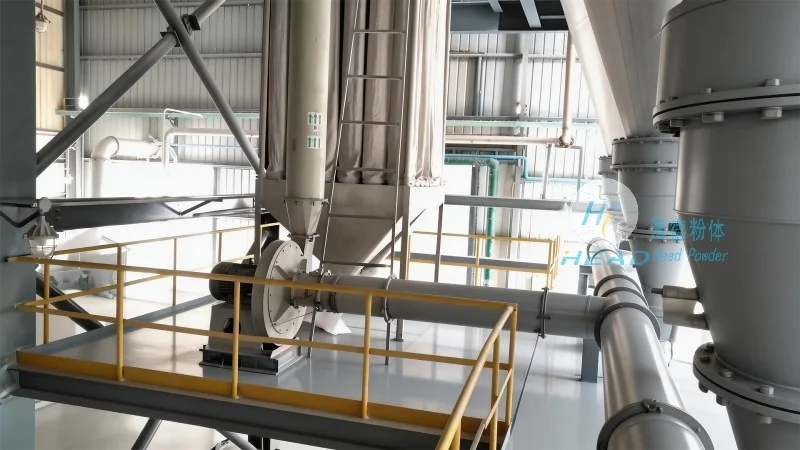
Thirdly, the system enhances operational safety and maintenance efficiency. By eliminating the need for moving parts in the conveying line, the risk of mechanical failure and associated downtime is reduced. The modular design of the equipment allows for easy maintenance and component replacement, minimizing operational disruptions.
Furthermore, HeadPowder's pneumatic conveying solutions are engineered for durability and long-term reliability. The materials used in the construction of the system components, such as stainless steel and high-grade plastics, are resistant to corrosion and wear, ensuring a longer service life. This reduces the overall cost of ownership and enhances the return on investment for clients.
Conclusion
When selecting a graphite conveying method, it is essential to consider factors such as material properties, production scale, and operational environment. While mechanical conveyors remain a viable option for certain applications, pneumatic conveying systems, particularly those offered by HeadPowder, provide superior performance and reliability for modern graphite processing. The company's commitment to innovation and quality ensures that clients receive tailored solutions that meet their specific needs, contributing to improved productivity and profitability in graphite handling operations.