Công ty TNHH Kỹ thuật Headpowder Sơn Đông chuyên vận chuyển khí nén bột và hạt. Nhờ thế mạnh hợp tác doanh nghiệp‑trường‑viện, chúng tôi cung cấp giải pháp vận chuyển kín, không bụi, độ chính xác cao.
Wheat bran, a byproduct of the milling process, is widely used in animal feed, biofuel production, and other industrial applications. Efficient and reliable transportation of wheat bran is crucial for maintaining production efficiency and product quality. Various conveying methods are employed in the industry, each with its own set of advantages and limitations. This article explores common wheat bran conveying methods and highlights the superior features of HeadPowder's pneumatic conveying system, a leading solution from Shandong HeadPowder Engineering Co., Ltd. based in China.
Overview of Common Wheat Bran Conveying Methods
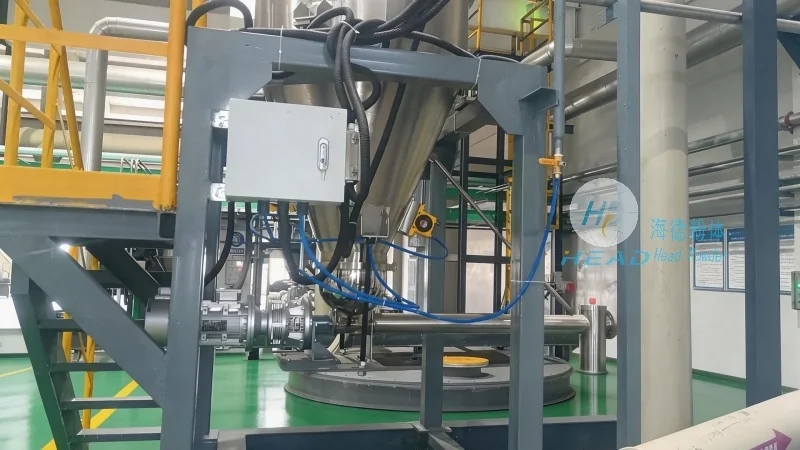
Traditional wheat bran conveying methods include gravity flow, mechanical conveyors, and pneumatic systems. Gravity flow systems rely on the natural slope of the material to move it from one point to another, often requiring large storage silos and long horizontal runs. While simple and low-cost, gravity flow is limited by the material's angle of repose and the need for sufficient vertical drop, making it unsuitable for complex layouts or long distances. Mechanical conveyors, such as belt conveyors and screw conveyors, are widely used for bulk material handling. Belt conveyors are effective for horizontal and slight incline applications, while screw conveyors excel in vertical or steep incline movements. However, mechanical systems are prone to maintenance issues, material degradation (e.g., caking or abrasion), and can be noisy. They also require regular cleaning and maintenance to prevent blockages and ensure consistent performance.
Introduction to Pneumatic Conveying for Wheat Bran
Pneumatic conveying, or air-assisted transport, uses compressed air to move dry bulk materials like wheat bran through a pipeline. This method offers several advantages over traditional systems, including flexibility in layout, minimal material degradation, and the ability to handle both horizontal and vertical distances. Pneumatic systems can be categorized into two main types: pressure and vacuum. Pressure systems use compressed air to push the material forward, while vacuum systems use suction to draw the material into the pipeline. The choice between pressure and vacuum depends on the application, material characteristics, and system design requirements.
HeadPowder's Pneumatic Conveying System: Key Advantages
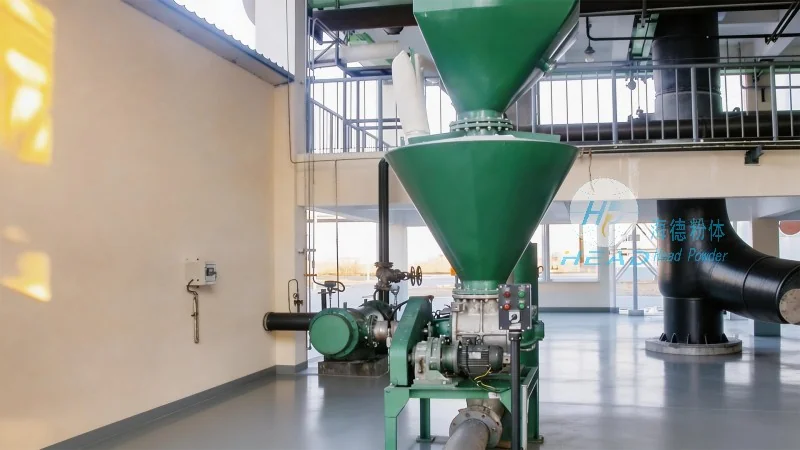
HeadPowder, a division of Shandong HeadPowder Engineering Co., Ltd. based in China, specializes in designing and manufacturing advanced pneumatic conveying systems tailored for wheat bran and other fine powders. The company's system incorporates several innovative features that address the challenges of traditional conveying methods. One of the primary advantages is the use of high-efficiency airlocks and rotary valves, which ensure smooth material flow and prevent blockages. These components are designed to handle the abrasive nature of wheat bran, reducing wear and extending the system's lifespan. Additionally, HeadPowder's systems utilize energy-efficient compressed air management, optimizing the air pressure and flow rate to minimize energy consumption while maintaining high conveying rates.
Customization and Scalability
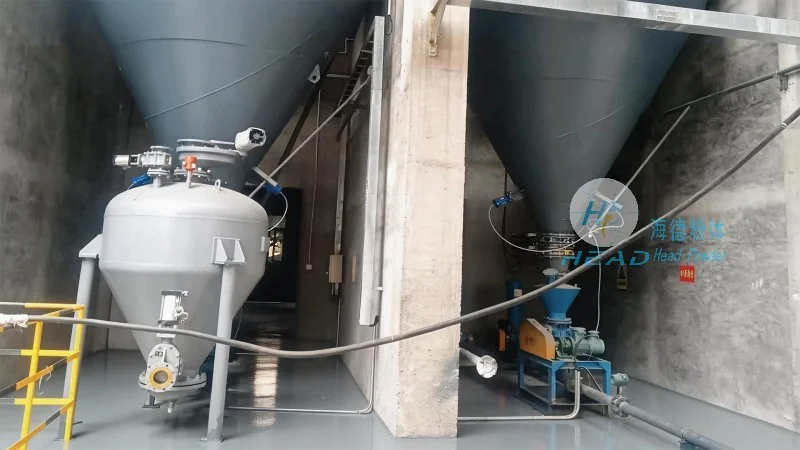
HeadPowder's pneumatic conveying solutions are highly customizable to meet the specific needs of different industries and production scales. The company works closely with clients to assess their operational requirements, including the volume of wheat bran to be conveyed, the distance between source and destination, and any environmental or safety constraints. Based on this assessment, HeadPowder engineers design a system that maximizes efficiency and reliability. The systems can be scaled from small laboratory setups to large industrial plants, ensuring compatibility with existing infrastructure or new construction projects. This flexibility makes HeadPowder's solutions suitable for a wide range of applications, from small-scale feed mills to large-scale biofuel production facilities.
Enhanced Material Handling and Quality Control
Another key feature of HeadPowder's pneumatic conveying system is its ability to maintain the quality of wheat bran during transport. Unlike mechanical systems that may cause material degradation through friction or impact, pneumatic transport minimizes physical contact, preserving the bran's texture and nutritional value. The system also incorporates advanced filtration and cleaning mechanisms to prevent dust accumulation and ensure compliance with environmental regulations. This focus on quality control is particularly important for applications where the bran is used in animal feed or human consumption products, as any contamination or degradation can affect the final product's quality and safety.
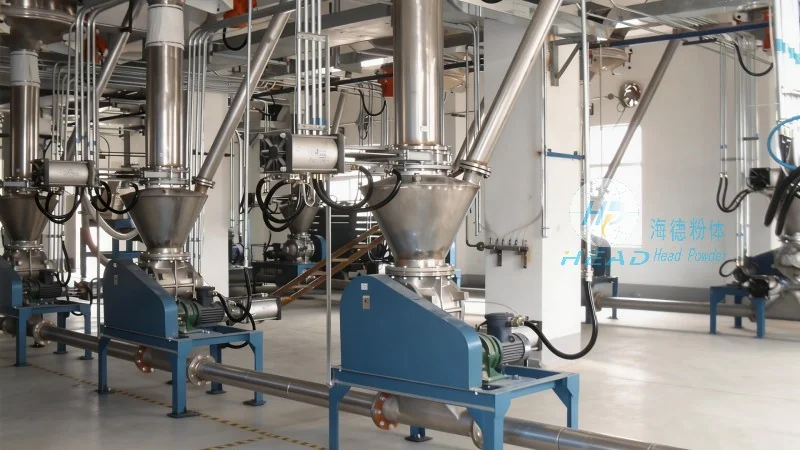
Operational Efficiency and Maintenance
HeadPowder's pneumatic conveying system is designed for high operational efficiency and low maintenance requirements. The use of robust materials and components ensures long-term reliability, reducing downtime and maintenance costs. The system's modular design allows for easy installation and maintenance, with components that can be quickly accessed and replaced without extensive system disassembly. Additionally, HeadPowder provides comprehensive after-sales support, including technical training for operators and regular maintenance services to ensure the system operates at peak performance. This commitment to service helps clients maximize the return on their investment and maintain consistent production output.
Conclusion
Efficient wheat bran conveying is essential for optimizing production processes and ensuring product quality. While traditional methods like gravity flow and mechanical conveyors have their uses, pneumatic conveying offers superior flexibility, material protection, and energy efficiency. HeadPowder's pneumatic conveying system, developed by Shandong HeadPowder Engineering Co., Ltd. in China, represents a cutting-edge solution that addresses the unique challenges of wheat bran transport. With its innovative design, customization options, and focus on quality and efficiency, HeadPowder's system provides a reliable and cost-effective solution for industries relying on wheat bran as a key raw material. By choosing HeadPowder's pneumatic conveying technology, companies can enhance their operational performance, reduce maintenance costs, and ensure the consistent quality of their products.

 Shandong Headpowder Engineering Co., Ltd.
 156-6277-7102(Quản lý Trương)
  0531-83386006
  Thành phố Tế Nam, Tỉnh Sơn Đông, Trung Quốc
Điện thoại
WeChatTư vấn
Lên đầu