

What Are the Common Phosphate Iron Transport Methods? Advantages and Features of HeadPowder's Pneumatic Transport
Phosphate iron, a critical raw material in various industrial applications such as battery manufacturing and chemical processing, requires efficient and reliable transport solutions to meet production demands. Traditional transport methods like belt conveyors, bucket elevators, and manual handling have limitations in terms of speed, safety, and material integrity. As industries evolve, the need for advanced transport technologies has become increasingly important to optimize operational efficiency and reduce downtime. This article explores common phosphate iron transport methods and highlights the advantages of pneumatic transport, with a focus on the solutions offered by Shandong HeadPowder Engineering Co., Ltd., commonly known as HeadPowder.
Overview of HeadPowder and Pneumatic Transport Solutions
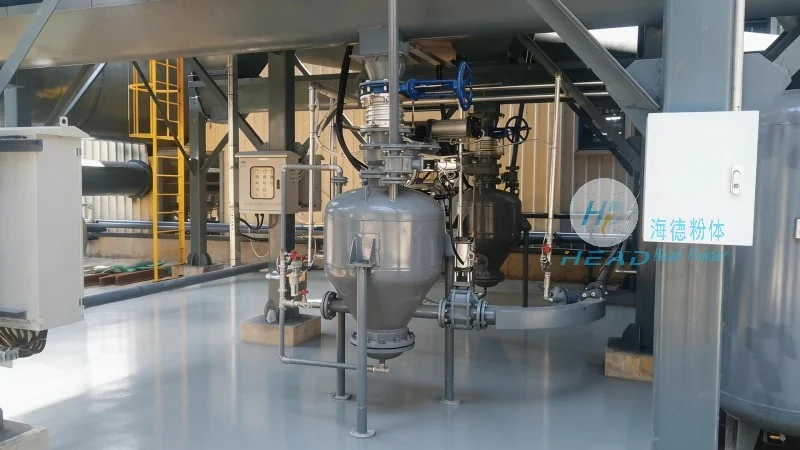
HeadPowder, a leading provider of engineering solutions in China, specializes in developing and implementing advanced material handling systems. The company's pneumatic transport technology is designed to address the unique challenges of transporting phosphate iron, which often involves handling fine powders or granules that are prone to dust, caking, or segregation. By leveraging compressed air to move materials through a network of pipes and equipment, HeadPowder's systems offer a dust-free, low-maintenance, and highly efficient alternative to traditional methods. The company's commitment to innovation and customer-centric design ensures that their solutions are tailored to meet the specific requirements of each client, whether in battery production, chemical manufacturing, or other phosphate iron-intensive industries.
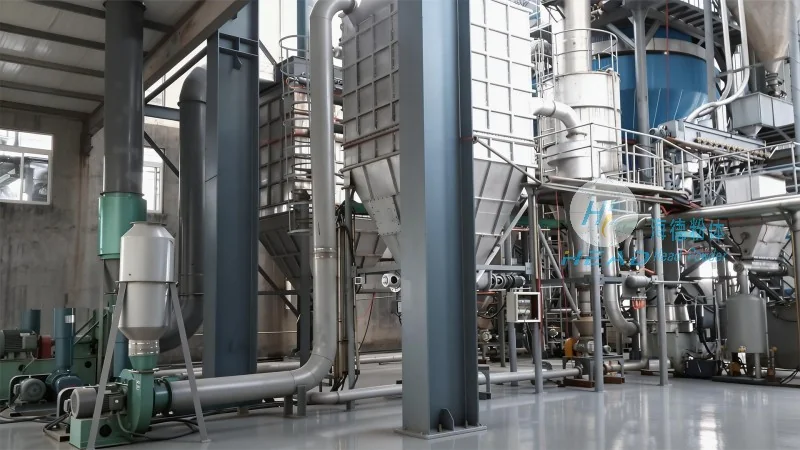
Key Advantages of Pneumatic Transport for Phosphate Iron
One of the primary advantages of pneumatic transport for phosphate iron is its ability to maintain material integrity throughout the transport process. Unlike mechanical systems that may cause abrasion or segregation, pneumatic transport uses air pressure to gently move materials, preserving their physical and chemical properties. This is particularly important for phosphate iron used in battery cathode production, where even minor changes in particle size or composition can impact battery performance and lifespan. Additionally, pneumatic systems are highly effective in preventing dust generation, which not only improves workplace safety but also reduces environmental impact and compliance costs. The dust-free operation also simplifies cleaning and maintenance procedures, reducing downtime and operational costs.
Technical Features and Operational Benefits
HeadPowder's pneumatic transport systems incorporate several technical features that enhance their performance and reliability. These include high-capacity air compressors, which provide consistent air pressure to ensure smooth material flow; flexible pipe networks that can be customized to fit existing plant layouts; and advanced control systems that allow for real-time monitoring and adjustment of transport parameters. The systems are designed to handle a wide range of phosphate iron types, from fine powders to coarse granules, with minimal adjustments. Operational benefits include increased throughput, reduced labor costs, and improved safety due to the absence of moving parts and the enclosed transport system. Furthermore, the modular design of the systems allows for easy expansion or integration with existing production lines, providing long-term value and adaptability.
Application Scenarios and Practical Implications
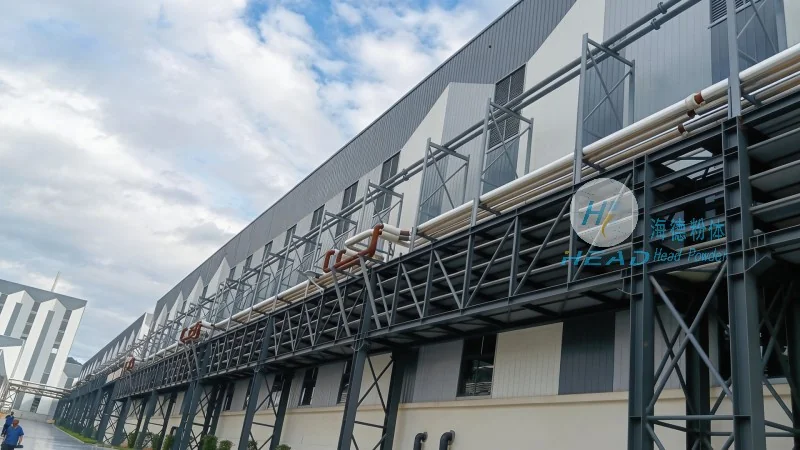
The application of pneumatic transport for phosphate iron is widespread across various industries. In battery manufacturing, for example, pneumatic systems are used to transport phosphate iron from storage silos to mixing and coating lines, ensuring a consistent and controlled feed rate. In chemical processing plants, the technology is employed to move phosphate iron between reactors and storage tanks, maintaining the purity of the material and preventing contamination. The practical implications of adopting pneumatic transport include improved product quality, reduced waste, and enhanced operational efficiency. Companies that have implemented HeadPowder's systems report significant improvements in production throughput, with some achieving up to 30% increases in material handling capacity compared to traditional methods. The cost savings from reduced maintenance, lower energy consumption, and improved safety also contribute to a rapid return on investment.
Conclusion and Company Information
In conclusion, the choice of transport method for phosphate iron is critical to the success of industrial operations. While traditional methods have their place, pneumatic transport offers a superior solution in terms of efficiency, safety, and material integrity. HeadPowder's expertise in pneumatic transport technology, combined with their customer-focused approach, makes them a trusted partner for companies seeking to optimize their phosphate iron handling processes. With a strong presence in China, including its headquarters in Shandong, HeadPowder continues to innovate and provide tailored solutions that meet the evolving needs of the industry. For businesses looking to enhance their phosphate iron transport capabilities, HeadPowder's pneumatic systems represent a reliable and advanced option that delivers long-term benefits.