

Types of Flour Conveying Methods
Efficient flour handling is a critical aspect of modern food processing and manufacturing. The choice of flour conveying method directly impacts production efficiency, product quality, and operational costs. Understanding the various types of flour conveying systems is essential for businesses looking to optimize their material handling processes. This article explores the key flour conveying methods used in the industry, highlighting their applications, advantages, and considerations.
1. Screw Conveyors for Flour Transport
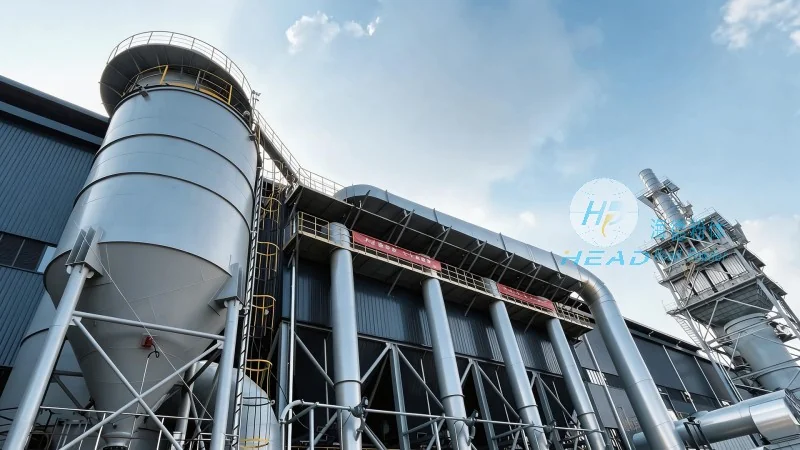
Screw conveyors, also known as auger conveyors, are among the most common and versatile equipment for transporting bulk materials like flour. These systems consist of a rotating helical screw inside a cylindrical tube, which moves the material forward through the conveyor. The design allows for both horizontal and inclined transport, making screw conveyors suitable for various production setups. For flour, screw conveyors are particularly effective due to their ability to handle fine powders without causing excessive dust or segregation. The enclosed design helps maintain product integrity and reduces contamination risks. Additionally, screw conveyors are relatively low-maintenance and can be easily integrated into existing production lines. They are ideal for applications where a continuous, controlled flow of flour is required, such as feeding mixers or storage silos.
2. Pneumatic Conveying Systems
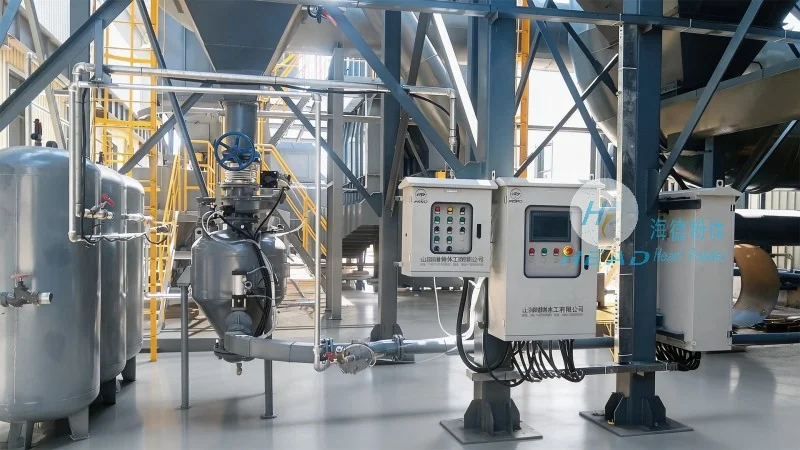
Pneumatic conveying systems use air or gas to transport flour and other powders through a network of pipes. This method is highly effective for long-distance and high-volume flour transport, especially in environments where dust control is a priority. There are two main types of pneumatic conveyors: pressure and vacuum systems. Pressure systems push the material forward using compressed air, while vacuum systems pull the material through the system. For flour, pressure systems are often preferred as they provide a more consistent and reliable flow. Pneumatic conveying offers several advantages, including the ability to transport flour over long distances without the need for multiple transfer points. It also minimizes product degradation and reduces the risk of cross-contamination. However, the system requires careful design to ensure proper air flow and prevent material buildup in the pipes. The choice of system depends on factors such as the distance to be covered, the volume of flour to be transported, and the specific characteristics of the flour being handled.
3. Belt Conveyors for Bulk Flour Handling
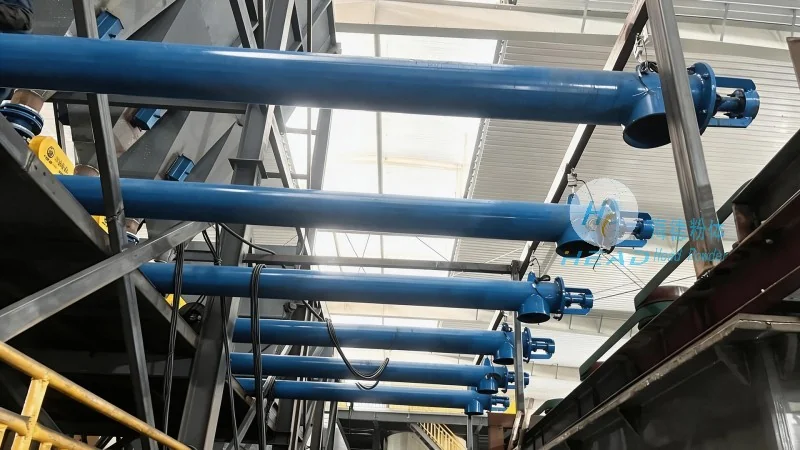
Belt conveyors are another widely used method for transporting flour, particularly in large-scale industrial settings. These systems consist of a continuous belt that moves over rollers or pulleys, carrying the flour from one point to another. Belt conveyors are suitable for both horizontal and inclined transport, and they can handle a wide range of flour types and quantities. One of the key advantages of belt conveyors is their high capacity and ability to transport flour over long distances with minimal maintenance. They are particularly effective for applications where a steady, uninterrupted flow of flour is required, such as in flour mills or large-scale food processing plants. Belt conveyors also allow for easy integration with other equipment, such as elevators or storage bins. However, they require regular cleaning and maintenance to prevent flour buildup and ensure smooth operation. The design of the belt and the type of idlers used can impact the efficiency and longevity of the system.
4. Bucket Elevators for Vertical Flour Transport
Bucket elevators are specialized equipment designed for vertical transport of flour and other bulk materials. These systems consist of a vertical or inclined conveyor with a series of buckets attached to a chain or belt. As the conveyor rotates, the buckets scoop up the flour and lift it to the desired height. Bucket elevators are highly efficient for vertical flour transport, especially in applications where the flour needs to be moved from ground level to storage silos or processing equipment. They offer several benefits, including high capacity, low energy consumption, and minimal product degradation. The enclosed design of bucket elevators helps maintain product quality and reduces dust emissions. Additionally, they are relatively compact and can be easily installed in limited spaces. However, bucket elevators require regular inspection and maintenance to ensure the buckets are in good condition and the chain or belt is properly aligned. The choice of bucket elevator depends on factors such as the vertical distance to be covered, the volume of flour to be transported, and the specific characteristics of the flour being handled.
5. Vibrating Conveyors for Fine Powder Handling
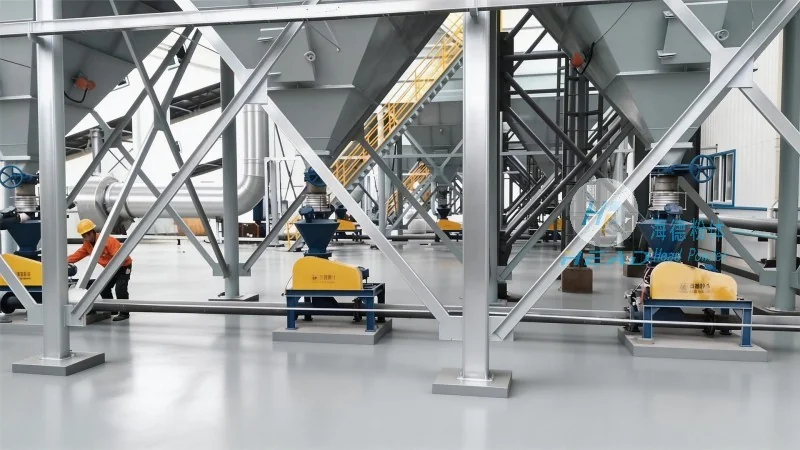
Vibrating conveyors use vibrations to move flour and other fine powders along a trough or conveyor bed. These systems are particularly effective for handling delicate or cohesive materials like flour, as they minimize product degradation and prevent segregation. The conveyor consists of a trough that is vibrated at a specific frequency and amplitude, causing the flour to move forward. Vibrating conveyors are suitable for both horizontal and inclined transport and can handle a wide range of flour types and quantities. One of the key advantages of vibrating conveyors is their ability to transport fine powders without causing excessive dust or caking. They are also relatively low-maintenance and can be easily cleaned. However, the system requires careful design to ensure proper vibration and prevent material buildup in the trough. The choice of vibrating conveyor depends on factors such as the material's flow characteristics, the distance to be covered, and the required throughput.
6. Hydraulic Conveying Systems
Hydraulic conveying systems use water or other liquids to transport flour and other bulk materials. This method is particularly effective for transporting flour over long distances and in challenging environments, such as in mining or construction applications. The system consists of a pipeline that carries the flour mixed with water, which is then separated at the destination. Hydraulic conveying offers several advantages, including high capacity, low energy consumption, and the ability to transport flour in a closed system. However, the system requires careful design to ensure proper mixing and separation of the flour and water. The choice of hydraulic system depends on factors such as the distance to be covered, the volume of flour to be transported, and the specific characteristics of the flour being handled.
7. Choosing the Right Flour Conveying Method
Selecting the appropriate flour conveying method requires careful consideration of several factors, including the production scale, the type of flour being handled, the distance to be covered, and the specific requirements of the application. For small-scale operations, a simple screw conveyor or belt conveyor may be sufficient. However, for large-scale flour mills or food processing plants, more advanced systems like pneumatic or hydraulic conveyors may be necessary. The choice of system also depends on factors such as the budget, maintenance requirements, and the need for dust control. It is essential to work with experienced suppliers, such as Shandong HeadPowder Engineering Co., Ltd., to ensure the selected conveying system meets all the operational and regulatory requirements. Shandong HeadPowder Engineering Co., Ltd., a leading provider of flour handling solutions, offers a range of conveying systems tailored to the specific needs of their clients. With years of experience in the industry, they provide expert guidance and customized solutions to help businesses optimize their flour handling processes. The company's commitment to quality and innovation ensures that their clients receive reliable and efficient conveying systems that enhance productivity and product quality.