

[Caustic Soda Transportation Methods: Options and Considerations]
Caustic soda, also known as sodium hydroxide, is a highly corrosive and caustic chemical widely used in various industrial applications. Its transportation requires careful consideration of safety, efficiency, and regulatory compliance. Shandong HeadPowder Engineering Co., Ltd., a leading provider in the field, offers insights into the different methods used for caustic soda transportation, ensuring clients understand the best approaches for their specific needs.
1. Pipeline Transportation
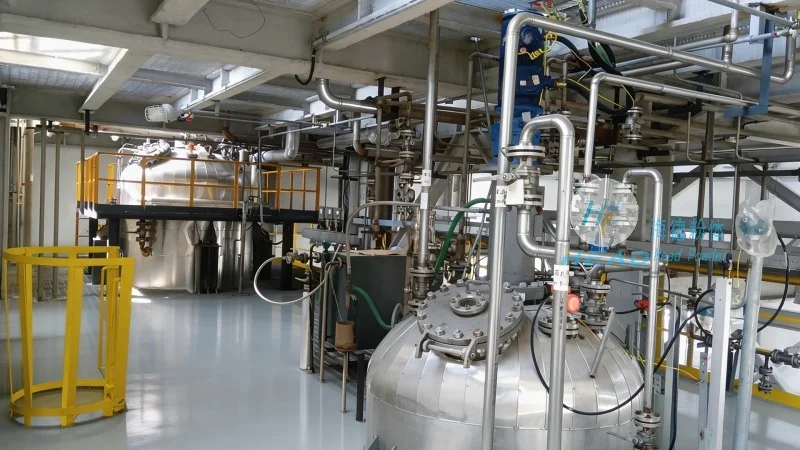
Pipeline transportation is a common method for moving caustic soda, especially for large-scale industrial operations. This method involves pumping the chemical through specialized pipelines designed to withstand the corrosive nature of sodium hydroxide. The system typically includes high-quality materials such as stainless steel or lined pipes to prevent leakage and ensure durability. Companies like Shandong HeadPowder Engineering Co., Ltd. often recommend pipeline systems for continuous, uninterrupted supply to manufacturing plants, as it minimizes handling and reduces the risk of accidents associated with bulk handling.
2. Tank Truck Transportation
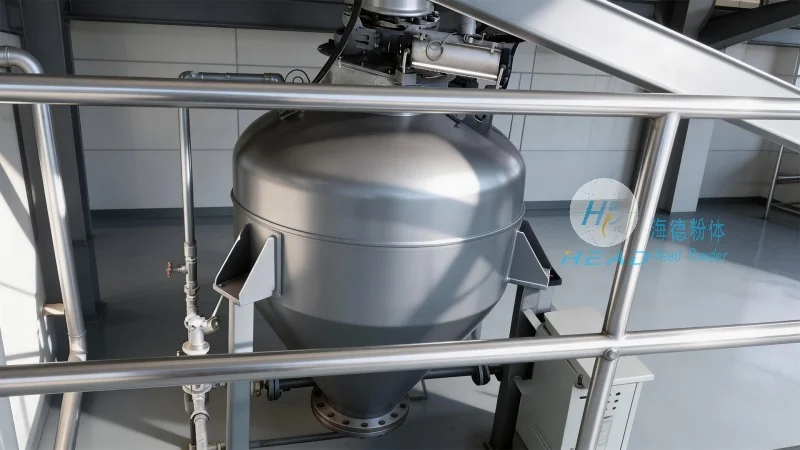
For bulk shipments over longer distances, tank trucks are a widely used option. These vehicles are equipped with insulated and corrosion-resistant tanks that can safely store and transport caustic soda. The tank trucks are designed to meet strict safety standards, including pressure relief systems and emergency shut-off valves. Shandong HeadPowder Engineering Co., Ltd. emphasizes the importance of proper labeling and documentation when using tank trucks, as this ensures compliance with local regulations and protects both the carrier and the recipient. This method is particularly suitable for industries that require frequent deliveries or have limited on-site storage capacity.
3. Containerized Transportation
Containerized transportation, often using ISO containers, is another viable option for caustic soda. These containers are specially designed to handle corrosive chemicals, with features like double-walled construction and secure sealing to prevent leaks. The containers are typically transported via road, rail, or sea, depending on the destination. Shandong HeadPowder Engineering Co., Ltd. notes that containerized transport is advantageous for companies that need to ship caustic soda to multiple locations or for international trade, as it provides flexibility and can accommodate varying quantities. Proper handling and storage procedures are critical to maintain the integrity of the product during transit.
4. Bulk Bag and Drum Transportation
For smaller-scale or intermittent deliveries, bulk bags and drums are commonly used. Bulk bags, also known as flexitanks, are flexible containers that can hold large volumes of caustic soda, while drums are typically used for smaller quantities. These methods are suitable for applications where on-site storage is limited or where the chemical is used in smaller batches. Shandong HeadPowder Engineering Co., Ltd. advises that these options require careful handling to prevent spills and ensure the containers are properly secured during transportation. The use of compatible materials, such as polyethylene or stainless steel, is essential to avoid corrosion and maintain product quality.
5. Safety and Regulatory Considerations
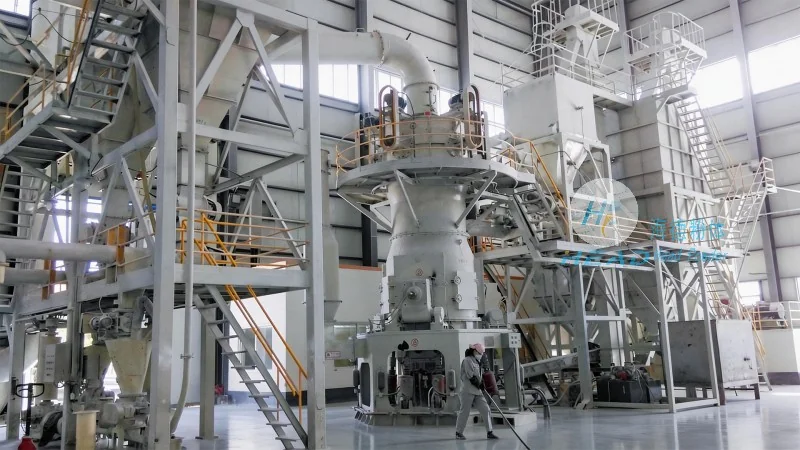
Regardless of the transportation method chosen, safety and regulatory compliance are paramount. Caustic soda is classified as a hazardous material due to its corrosive properties, and all transportation must adhere to local and international regulations. Shandong HeadPowder Engineering Co., Ltd. recommends that companies invest in proper training for their staff, use appropriate personal protective equipment (PPE), and maintain regular inspections of transportation equipment. Additionally, proper labeling and documentation are crucial to ensure that all parties involved in the transportation process are aware of the hazards and necessary precautions.
6. Choosing the Right Transportation Method
The choice of caustic soda transportation method depends on several factors, including the volume of the shipment, the distance to the destination, the frequency of deliveries, and the specific requirements of the end-user. Shandong HeadPowder Engineering Co., Ltd. provides customized solutions by evaluating these factors and recommending the most suitable approach. For example, a large manufacturing plant might benefit from a pipeline system for continuous supply, while a smaller business might opt for tank truck or containerized transport for more flexible delivery options. By understanding the advantages and limitations of each method, companies can make informed decisions that optimize efficiency, safety, and cost-effectiveness.