

Limestone Powder Transportation Methods: Options and Solutions
When it comes to transporting limestone powder, selecting the right method is crucial for ensuring efficiency, safety, and cost-effectiveness in industrial operations. Limestone powder, a key raw material in various industries such as construction, cement production, and chemical manufacturing, requires specialized handling due to its fine particle size and potential for dust generation. This article explores the primary methods used for limestone powder transportation, highlighting the factors that influence the choice of each approach.
Key Factors Influencing Transportation Method Selection
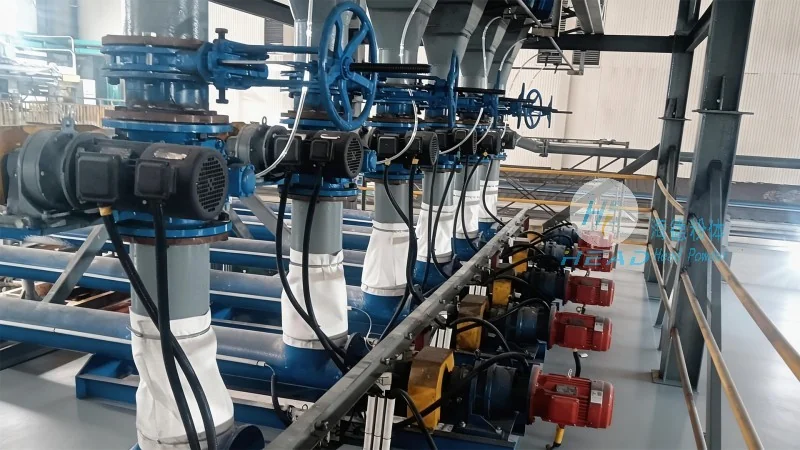
The choice of limestone powder transportation method depends on several critical factors, including the distance of transport, the volume of material to be moved, the required speed of delivery, and the environmental considerations. For short distances within a facility or plant, pneumatic conveying systems are often preferred due to their ability to handle fine powders without the need for additional equipment. For longer distances or bulk transportation, bulk handling methods like belt conveyors or screw conveyors may be more suitable. Additionally, the need for dust control and environmental compliance plays a significant role in determining the appropriate transportation solution.
Pneumatic Conveying Systems for Limestone Powder
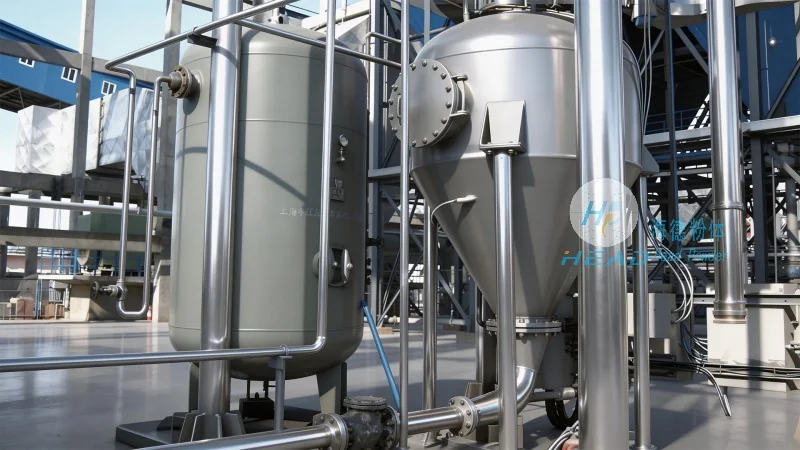
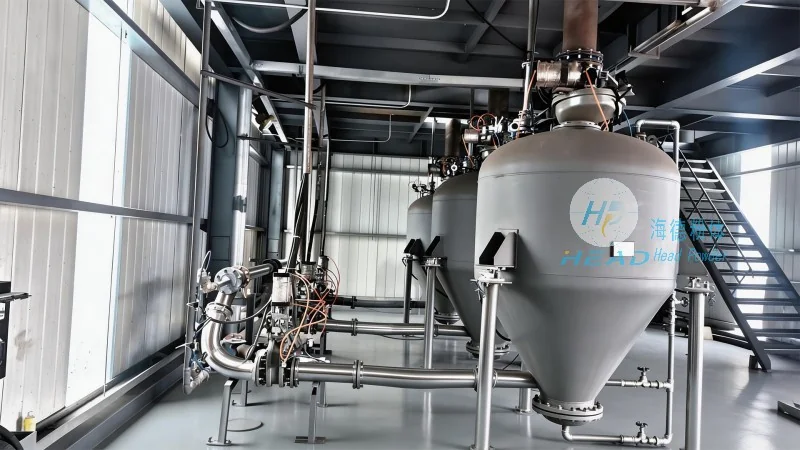
Pneumatic conveying is a widely used method for transporting limestone powder, especially in applications where dust control and precise delivery are essential. This system utilizes air pressure to move the powder through a pipeline, eliminating the need for mechanical components that might cause wear or contamination. There are two main types of pneumatic conveying systems: pressure and vacuum. Pressure systems use compressed air to push the powder through the pipeline, while vacuum systems use a vacuum to draw the powder into the line. The selection between these two depends on the distance and volume of material to be transported. For example, pressure systems are ideal for short to medium distances, while vacuum systems are better suited for longer distances or when the material needs to be collected from multiple sources.
Bulk Handling with Belt Conveyors
Belt conveyors are a common choice for transporting larger quantities of limestone powder over longer distances, particularly in bulk material handling applications. These systems consist of a continuous belt that moves the powder from the source to the destination, supported by rollers and guided by idlers. Belt conveyors are highly efficient for moving large volumes of material and can be customized to handle different particle sizes and moisture levels. They are often used in conjunction with other equipment, such as feeders and hoppers, to ensure a smooth and continuous flow of limestone powder. The design of the belt conveyor, including the speed of the belt and the angle of inclination, is critical to maintaining the material's integrity and preventing clogging or spillage.
Screw Conveyors for Limestone Powder Transport
Screw conveyors, also known as auger conveyors, are another effective method for transporting limestone powder, especially in applications where the material needs to be moved vertically or at a moderate angle. These systems use a rotating screw to push the powder through a tube or trough, providing a reliable and low-maintenance solution for short to medium distances. Screw conveyors are particularly useful when the material is prone to bridging or clogging, as the screw's rotation helps to break up clumps and maintain a consistent flow. They are commonly used in industries such as cement production and chemical processing, where the material needs to be transported from silos or storage bins to processing equipment.
Vertical Lift and Horizontal Transport with Bucket Elevators
For applications requiring vertical transport of limestone powder, bucket elevators are an excellent choice. These systems use a series of buckets attached to a belt or chain that moves vertically, lifting the powder from a lower level to a higher one. Bucket elevators are highly efficient for vertical lifting and can handle large volumes of material with minimal space requirements. They are often used in conjunction with horizontal conveyors to form a complete material handling system. The design of the bucket elevator, including the size of the buckets and the speed of the belt, is critical to ensuring the material is transported safely and without damage. Bucket elevators are particularly effective when the material is being moved from a storage silo to a processing plant or when vertical space is limited.
Environmental Considerations and Dust Control
Given the fine nature of limestone powder, dust control is a critical aspect of any transportation method. Pneumatic conveying systems, while effective for moving the powder, can generate significant dust if not properly sealed. Belt and screw conveyors also produce dust, which can be a health hazard and environmental concern. To mitigate these issues, various dust control measures are employed, such as using sealed systems, installing dust collection equipment, and implementing proper ventilation. Additionally, the choice of materials for the conveyor components, such as stainless steel or special coatings, can help to reduce wear and prevent contamination from the limestone powder.
Conclusion: Choosing the Right Limestone Powder Transportation Method
Selecting the appropriate limestone powder transportation method is essential for optimizing industrial operations and ensuring the safe and efficient movement of this critical raw material. The choice depends on a variety of factors, including the distance, volume, and required speed of transport, as well as environmental and safety considerations. Pneumatic conveying systems are ideal for precise, dust-controlled transport over shorter distances, while bulk handling methods like belt and screw conveyors are better suited for larger volumes and longer distances. Vertical lift systems, such as bucket elevators, are effective for vertical transport needs. By carefully evaluating these factors and considering the specific requirements of the application, industrial facilities can select the most suitable limestone powder transportation method to enhance productivity and maintain compliance with environmental regulations.