

How are dust and sand transported?
Dust and sand transport is a critical process in various industries, particularly in construction, mining, and environmental management. The methods used to move these materials efficiently and safely are diverse, each with its own advantages and applications. This article explores the primary ways in which dust and sand are transported, providing insights into the technologies and systems employed by professionals in the field.
Common Methods of Dust and Sand Transport
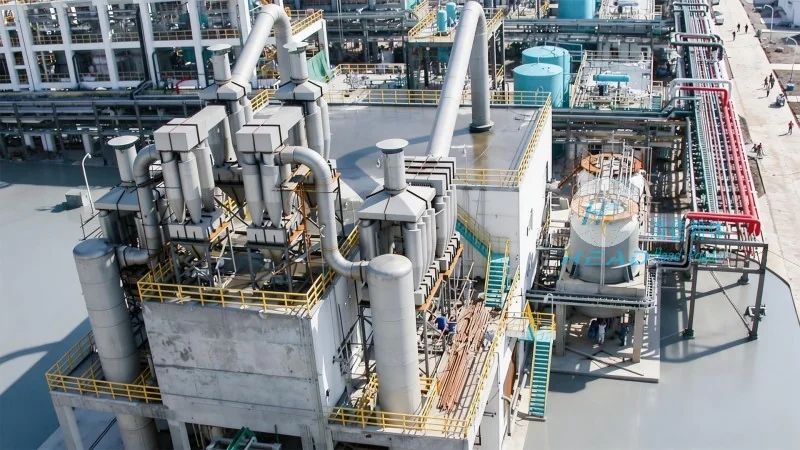
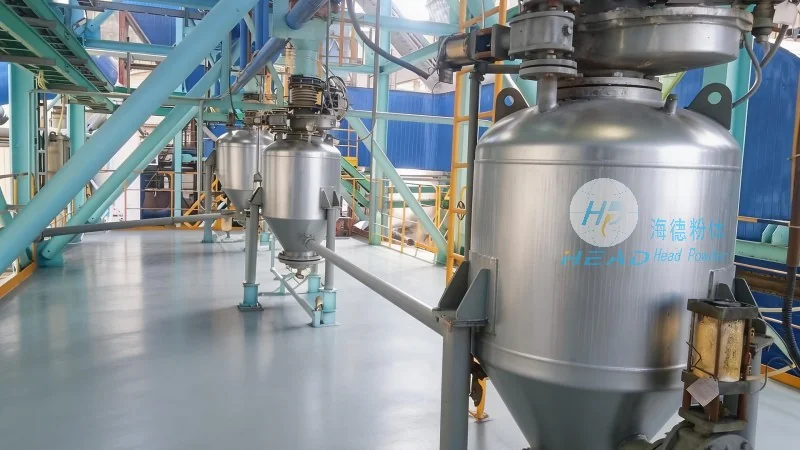
Several key methods are widely used for transporting dust and sand. One of the most common is through pneumatic conveying systems. These systems use compressed air to move dry materials through pipelines. This method is particularly effective for fine powders and granular materials, as it minimizes dust dispersion and ensures a clean, controlled transport process. Pneumatic conveying is often preferred in industries where hygiene and product purity are essential, such as food processing or pharmaceutical manufacturing.
Another prevalent method is mechanical conveying, which includes various types like belt conveyors, screw conveyors, and bucket elevators. Belt conveyors are widely used for transporting bulk materials over short to medium distances. They are robust and can handle a wide range of material types, including heavy and abrasive materials. Screw conveyors, on the other hand, are ideal for transporting granular or powdery materials in a vertical or inclined direction. These systems are compact and can be easily integrated into existing facilities. Bucket elevators are used to lift materials vertically, making them suitable for applications where vertical transport is required, such as in silos or storage facilities.
Hydraulic Transport Systems
Hydraulic transport, or slurry transport, involves moving materials in a liquid medium. This method is particularly useful for transporting wet or sticky materials, such as sludge or mud. The material is mixed with water or other liquids to form a slurry, which is then pumped through pipelines. Hydraulic transport systems are commonly used in mining operations to move ore or tailings from one location to another. They are also employed in environmental remediation projects to transport contaminated soil or waste materials to treatment facilities.
Specialized Transport Solutions
In addition to the standard methods mentioned above, specialized transport solutions are available for unique applications. For example, vacuum transport systems use suction to draw materials into a container or pipeline. This method is effective for transporting materials that are difficult to handle with other systems, such as fine powders that tend to settle or clump together. Vacuum transport is often used in laboratory settings or for small-scale operations where precision and control are paramount.
Another specialized method is the use of hopper trucks or bulk carriers for long-distance transport. These vehicles are designed to carry large quantities of bulk materials, such as sand or gravel, over road or rail networks. They are commonly used in the construction industry to supply materials to job sites. The design of these vehicles, with their large, open hoppers, allows for efficient loading and unloading, reducing the time and labor required for material handling.
Factors Influencing the Choice of Transport Method
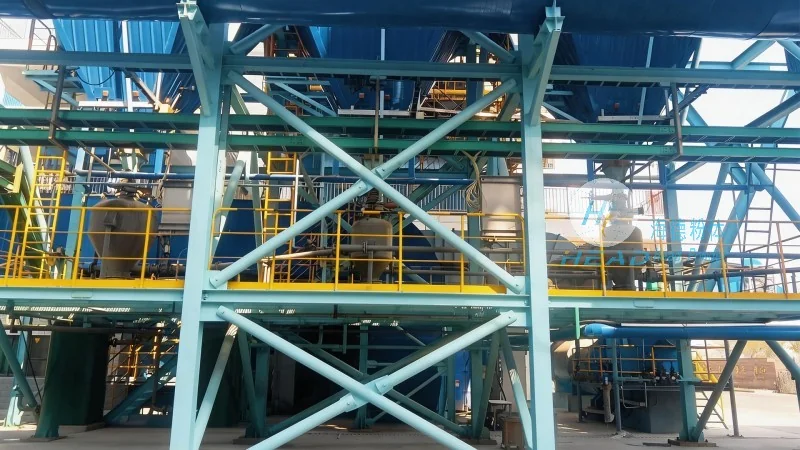
The choice of transport method for dust and sand depends on several factors, including the type and properties of the material, the distance to be covered, and the required speed and efficiency. For example, pneumatic conveying is often preferred for fine powders due to its ability to maintain product integrity and minimize dust emissions. Mechanical conveying, on the other hand, is more suitable for bulk materials that are less sensitive to moisture or contamination. The cost of the system, including installation and maintenance, is also a critical factor in the decision-making process. Companies must balance the initial investment with the long-term operational costs to determine the most cost-effective solution.
Applications in Different Industries
Dust and sand transport methods are applied across a wide range of industries. In the construction industry, these methods are used to supply raw materials like sand and gravel to building sites. The efficiency of the transport system directly impacts the project timeline and overall cost. In mining operations, hydraulic transport is used to move ore and waste materials, ensuring that the mining process is continuous and productive. Environmental management also relies on these transport methods, particularly for the removal and treatment of contaminated materials. The ability to transport these materials safely and effectively is crucial for maintaining environmental standards and preventing pollution.
Conclusion
In conclusion, the methods of dust and sand transport are diverse and tailored to the specific needs of each application. From pneumatic and mechanical systems to hydraulic and specialized solutions, each method offers unique advantages in terms of efficiency, cost, and material handling. Understanding these methods and selecting the appropriate system is essential for industries that rely on the transport of bulk materials. As technology continues to advance, new and more efficient transport solutions are likely to emerge, further improving the way dust and sand are moved in various industrial settings.