Công ty TNHH Kỹ thuật Headpowder Sơn Đông chuyên vận chuyển khí nén bột và hạt. Nhờ thế mạnh hợp tác doanh nghiệp‑trường‑viện, chúng tôi cung cấp giải pháp vận chuyển kín, không bụi, độ chính xác cao.
When it comes to the efficient handling and transportation of rice bran, selecting the right method is crucial for maintaining product quality and operational efficiency. As a leading provider in the industry, Shandong HeadPowder Engineering Co., Ltd. specializes in delivering tailored solutions for rice bran transportation, ensuring that businesses can optimize their processes while adhering to industry standards.
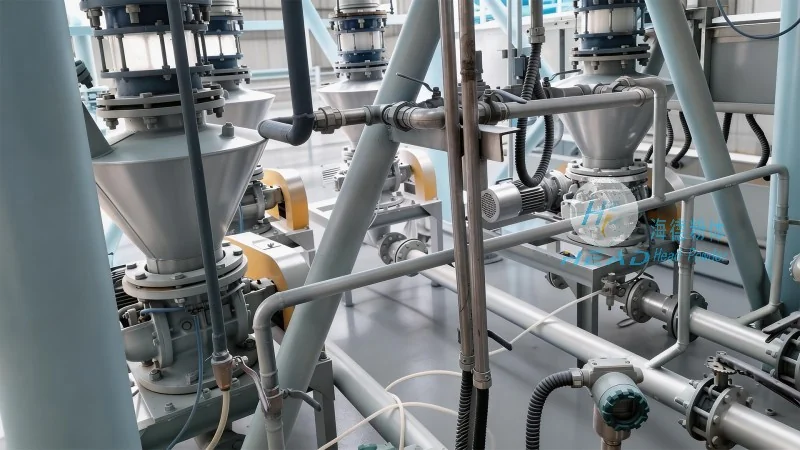
Understanding the Importance of Rice Bran Transportation
Rice bran, a byproduct of rice milling, is a valuable material used in various applications such as animal feed, cosmetics, and biofuel production. Proper transportation of rice bran is essential to prevent spoilage, maintain its nutritional value, and ensure consistent quality. Different transportation methods are available, each with its own advantages and considerations, depending on the scale of operation, distance, and material characteristics.
Common Methods for Rice Bran Transportation
There are several effective methods for transporting rice bran, ranging from traditional to modern approaches. The choice of method often depends on factors like the volume of material, the distance to be covered, and the need for minimal product degradation. Below are some of the most common and effective methods used in the industry.
Mechanical Conveying Systems
One of the most widely used methods for rice bran transportation is mechanical conveying. This approach involves the use of equipment such as belt conveyors, screw conveyors, and bucket elevators to move the material from one location to another. Belt conveyors are particularly effective for horizontal or slightly inclined transport, providing a continuous and reliable flow of rice bran. Screw conveyors, on the other hand, are ideal for vertical or inclined transport, as they can handle materials with a higher moisture content without clogging. These systems are known for their durability and low maintenance requirements, making them a popular choice for many rice processing facilities.
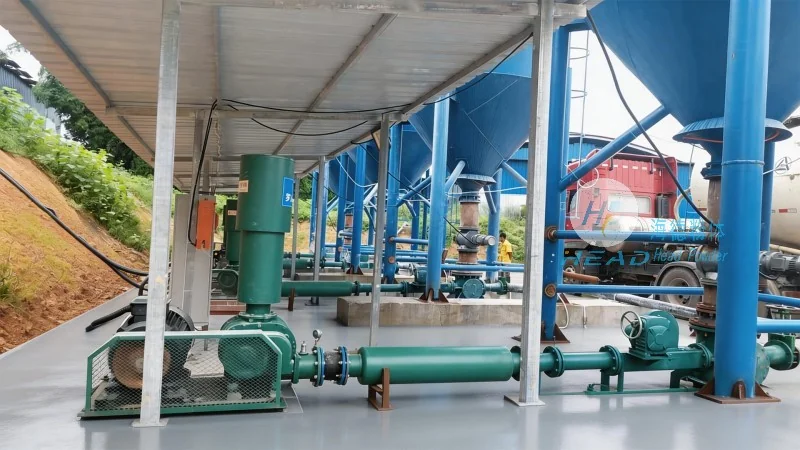
Gas-Powered (Pneumatic) Conveying
Another common method is gas-powered or pneumatic conveying, which uses air pressure to move rice bran through a pipeline system. This method is particularly suitable for transporting large volumes of material over longer distances with minimal human intervention. Pneumatic conveyors can be either positive or negative pressure systems. Positive pressure systems blow air into the pipeline, pushing the material forward, while negative pressure systems create a vacuum that pulls the material through the line. This method is effective for handling fine or dusty materials like rice bran, as it prevents dust dispersion and maintains product integrity. However, it requires careful consideration of air pressure and flow rates to ensure efficient operation and prevent material degradation.
Hybrid Conveying Solutions
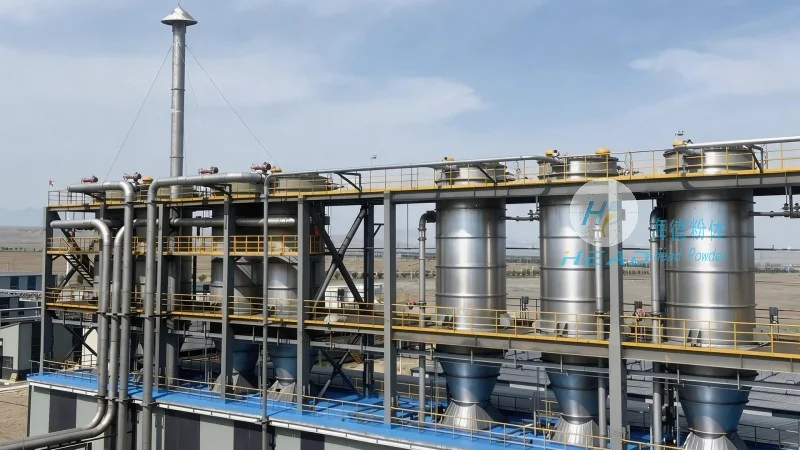
In some cases, a combination of mechanical and pneumatic conveying is used to create a hybrid system. This approach allows for the benefits of both methods to be utilized, such as the reliability of mechanical conveyors and the flexibility of pneumatic systems. For example, a system might use a screw conveyor to feed material into a pneumatic pipeline, which then transports it to the final destination. This hybrid approach is often used in large-scale operations where different sections of the facility require different types of transport. It provides flexibility in handling varying material volumes and distances while maintaining overall efficiency.
Factors to Consider When Choosing a Transportation Method
When selecting a rice bran transportation method, several factors must be taken into account to ensure optimal performance and cost-effectiveness. The first consideration is the volume of material to be transported. For small volumes, a simple mechanical conveyor may suffice, while large-scale operations may require more advanced systems like pneumatic conveyors. The distance between the source and destination is another critical factor. Short distances may be handled by belt or screw conveyors, while longer distances may necessitate pneumatic systems. The material characteristics, such as moisture content, particle size, and density, also play a role in determining the most suitable method. For example, high-moisture rice bran may require a system with better moisture control, such as a screw conveyor with a heated section, to prevent clogging and spoilage. Additionally, the need for dust control and environmental compliance should be considered, as some methods may generate more dust than others.
Conclusion
Efficient rice bran transportation is essential for maximizing the value of this valuable byproduct. By understanding the different methods available and considering the specific needs of the operation, businesses can choose the most suitable approach. Shandong HeadPowder Engineering Co., Ltd. offers a range of solutions tailored to meet these needs, ensuring that rice bran is transported safely and effectively. Whether using mechanical, pneumatic, or hybrid systems, the goal is to maintain product quality while optimizing operational efficiency. With the right transportation method in place, rice bran can be utilized to its full potential, contributing to the success of various industries.

 Shandong Headpowder Engineering Co., Ltd.
 156-6277-7102(Quản lý Trương)
  0531-83386006
  Thành phố Tế Nam, Tỉnh Sơn Đông, Trung Quốc
Điện thoại
WeChatTư vấn
Lên đầu