

What are the methods for sulfur powder conveyance?
For industrial applications, the efficient and safe conveyance of sulfur powder is crucial. As a leading provider in the field, Shandong HeadPowder Engineering Co., Ltd. specializes in delivering reliable solutions tailored to various operational needs. This article explores the primary methods used for sulfur powder conveyance, highlighting the key considerations and technologies employed in modern industrial settings.
Company Overview: HeadPowder
HeadPowder, the abbreviation for Shandong HeadPowder Engineering Co., Ltd., is a professional enterprise based in Shandong, China. With a strong commitment to quality and innovation, the company focuses on manufacturing and supplying advanced equipment for powder handling, including specialized systems for sulfur powder conveyance. Their expertise stems from years of experience in the industry, ensuring that clients receive solutions that meet both technical standards and operational requirements.
Key Considerations in Sulfur Powder Conveyance
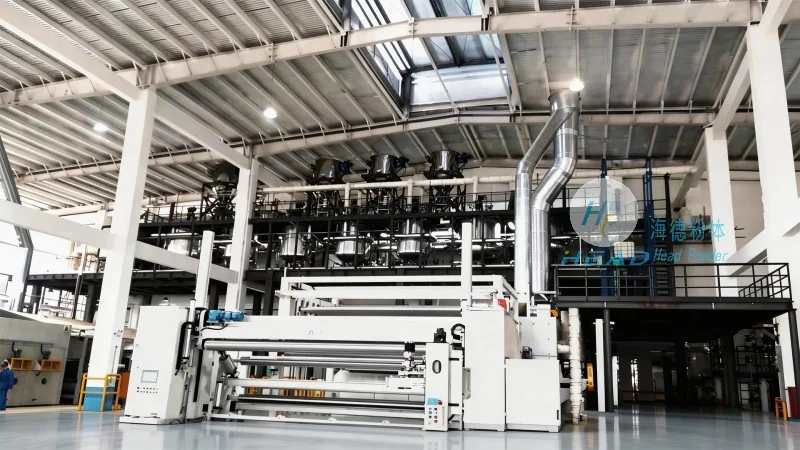
Before delving into specific methods, it is essential to understand the factors that influence the choice of conveyance system. Sulfur powder, with its unique physical properties such as fineness, moisture content, and flowability, requires equipment that can handle these characteristics without compromising efficiency or safety. Key considerations include the material's dustiness, potential for caking, and the need for containment to prevent environmental contamination. Additionally, the scale of the operation—whether it's a small-scale batch process or a large-scale continuous production—plays a critical role in determining the most suitable conveyance method.
Common Methods for Sulfur Powder Conveyance
Several methods are widely used for transporting sulfur powder, each with its own advantages and limitations. The selection of a method depends on factors like the material's properties, the distance to be covered, and the required throughput. Below are some of the most common approaches:
Air-Pneumatic Conveying Systems
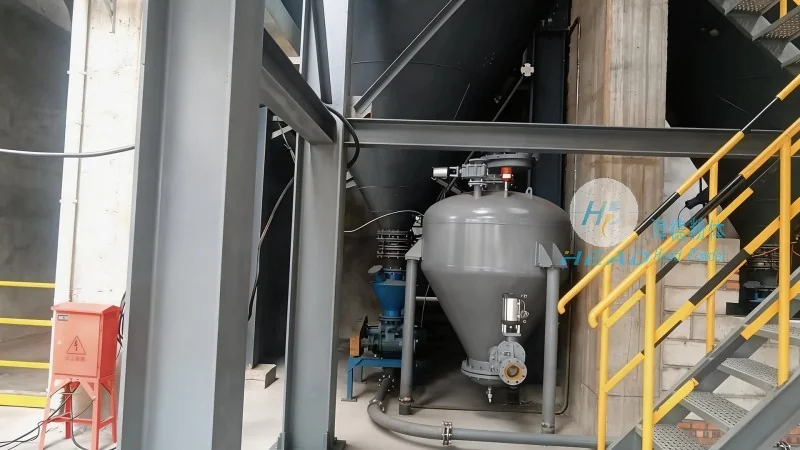
Air-pneumatic conveying, also known as pneumatic conveying, is a popular method for sulfur powder transport. This system uses compressed air to move the powder through a pipeline. There are two main types: dilute-phase and dense-phase conveying. Dilute-phase systems are suitable for short distances and low to medium material loads, while dense-phase systems are ideal for longer distances and higher loads, as they provide better control over the material's velocity and pressure. The advantages of pneumatic conveying include its ability to handle fine powders, minimal maintenance requirements, and the option for closed-loop systems that prevent dust emissions. However, it may not be suitable for very abrasive or sticky sulfur powders, as the air flow can cause wear on the system components.
Screw Conveyors
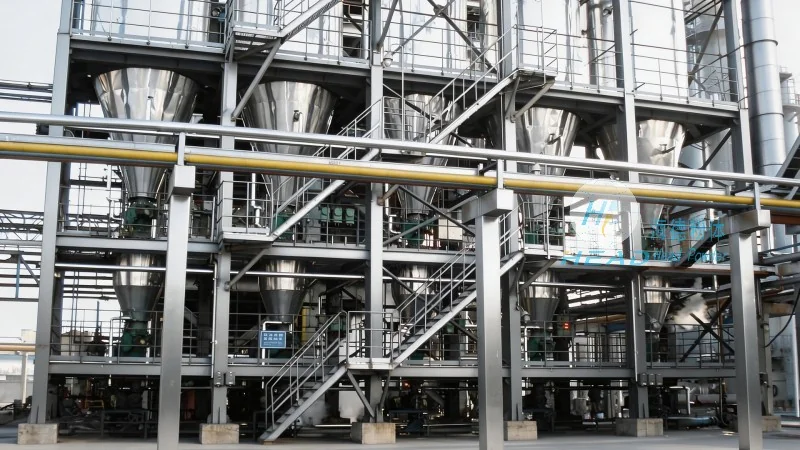
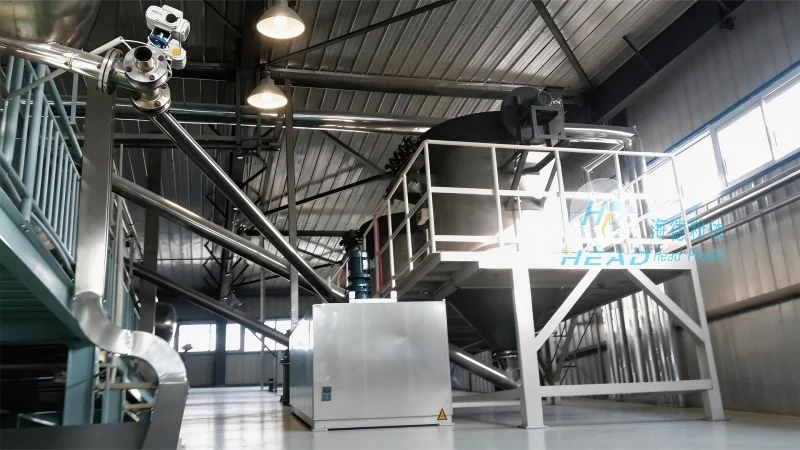
Screw conveyors, also known as auger conveyors, are another common method for sulfur powder conveyance. These systems consist of a rotating screw (auger) inside a tube or trough, which moves the material forward through the conveyor. Screw conveyors are particularly effective for handling bulk materials with moderate to high flowability. They are often used in applications where the material needs to be elevated or moved horizontally. The design of the screw, including its pitch and diameter, can be adjusted to optimize the conveying efficiency. Screw conveyors are generally low-cost and easy to install, making them a popular choice for many industrial settings. However, they may not be suitable for very fine or dusty powders, as the screw can cause excessive friction and generate significant dust.
Pneumatic and Mechanical Combination Systems
In some cases, a combination of pneumatic and mechanical conveying methods is employed to address specific challenges. For example, a system might use a screw conveyor to feed a pneumatic conveying line, allowing for the transport of sulfur powder over longer distances while maintaining the benefits of both technologies. This hybrid approach can enhance the overall efficiency and reliability of the conveyance process. The combination system can handle a wider range of material properties and provide better control over the material's flow rate and pressure. However, it requires more complex engineering and maintenance, as it involves integrating two different types of equipment.
Specialized Equipment for Sulfur Powder Handling
For specialized applications, such as handling very fine or abrasive sulfur powders, specialized equipment may be required. For instance, some systems use rotary valves or feeders to control the flow of the powder into the conveyance system, ensuring a consistent and controlled feed rate. These components are critical for preventing blockages and maintaining the efficiency of the conveyor. Additionally, some conveyance systems may incorporate dust collection and filtration systems to comply with environmental regulations and ensure worker safety. The use of specialized equipment not only improves the performance of the conveyance process but also enhances the overall safety and reliability of the operation.