

Methods of Masterbatch Conveying
Masterbatch conveying is a critical process in the plastic manufacturing industry, ensuring efficient and reliable transport of masterbatch materials from storage to processing equipment. For businesses like Shandong HeadPowder Engineering Co., Ltd., understanding and implementing the right conveying methods is essential for maintaining production efficiency and product quality. This article explores the various methods used for masterbatch conveying, highlighting the key considerations and applications in industrial settings.
Understanding Masterbatch Conveying Systems
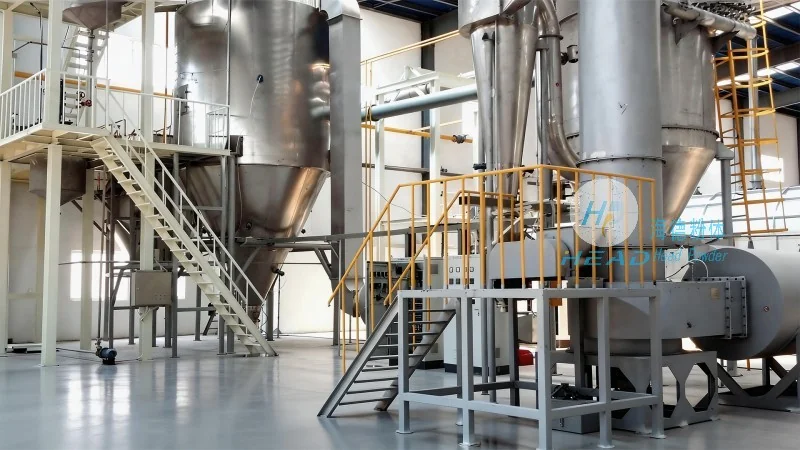
Masterbatch, a concentrated form of pigments or additives used to color or modify plastics, requires specialized handling due to its granular nature and potential for dust generation. Conveying systems must be designed to minimize material degradation, prevent contamination, and ensure consistent flow rates. The choice of conveying method depends on factors such as material characteristics, production scale, and environmental regulations. Shandong HeadPowder Engineering Co., Ltd. specializes in providing tailored conveying solutions that meet these requirements, leveraging years of experience in the industry.
Common Conveying Methods for Masterbatch
Several methods are commonly employed for masterbatch conveying, each with its own advantages and limitations. The primary methods include screw conveyors, pneumatic conveying systems, and belt conveyors. Each method is suitable for different operational conditions and material types.
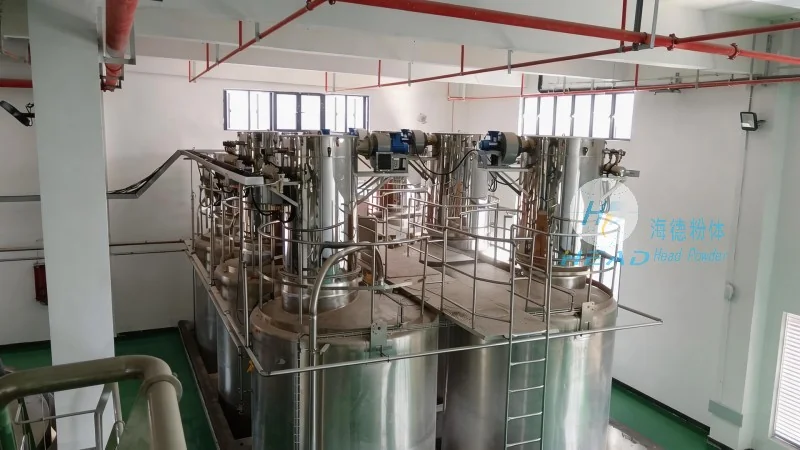
Screw Conveyors: A Reliable Option for Horizontal and Inclined Transport
Screw conveyors, also known as auger conveyors, are widely used for masterbatch conveying due to their simplicity and effectiveness in handling dry, free-flowing materials. These systems consist of a rotating screw (auger) inside a cylindrical tube, which moves material from the inlet to the outlet through a series of flights. Screw conveyors are particularly effective for horizontal or slight incline transport, as they can handle a wide range of particle sizes and densities without the need for additional power sources beyond the motor driving the screw. For Shandong HeadPowder Engineering Co., Ltd., screw conveyors are often recommended for applications where space is limited and a continuous, low-maintenance conveying solution is required. The company’s screw conveyor designs incorporate features such as variable speed drives and sealed housing to prevent material spillage and contamination, ensuring consistent performance in industrial environments.
Pneumatic Conveying: Efficient for Vertical and Long-Distance Transport
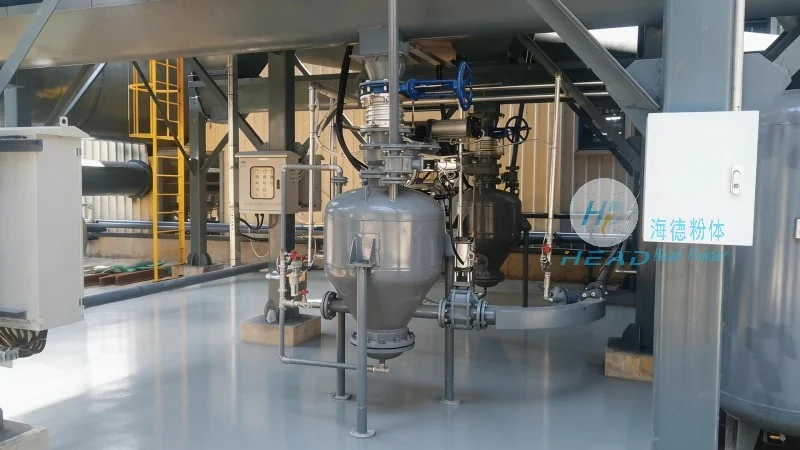
Pneumatic conveying systems use air or other gases to transport masterbatch materials through a pipeline network. This method is ideal for vertical or long-distance transport, as it can move materials over significant heights and distances without the need for mechanical components at the end points. Pneumatic systems are available in two main types: pressure and vacuum. Pressure systems force material through the pipeline using compressed air, while vacuum systems draw material into the pipeline using a vacuum pump. For masterbatch, pressure systems are more common due to their ability to handle abrasive materials and prevent material degradation. Shandong HeadPowder Engineering Co., Ltd. offers pneumatic conveying solutions that are designed to handle the high-temperature and high-pressure conditions often encountered in masterbatch processing. The company’s systems include features such as cyclone separators and filter bags to ensure that the conveyed material remains clean and free from contaminants, which is critical for maintaining product quality.
Belt Conveyors: Versatile for Bulk Material Handling
Belt conveyors are another popular option for masterbatch conveying, especially for applications requiring the transport of large quantities of material over long distances. These systems consist of a continuous belt that moves material from one point to another, supported by rollers or idlers. Belt conveyors are highly versatile and can be customized to handle various material types, including masterbatch, by adjusting the belt speed and tension. For Shandong HeadPowder Engineering Co., Ltd., belt conveyors are often used in combination with other conveying equipment, such as screw or pneumatic systems, to create a comprehensive material handling solution. The company’s belt conveyor designs incorporate features such as adjustable speed controls and safety guards to ensure safe and efficient operation. Belt conveyors are particularly effective for horizontal transport and can be integrated with storage silos or processing equipment to streamline the production process.
Choosing the Right Conveying Method: Key Considerations
When selecting a masterbatch conveying method, several factors must be considered to ensure optimal performance and cost-effectiveness. The first consideration is the material characteristics, including particle size, density, and flowability. For example, screw conveyors are better suited for materials with good flowability, while pneumatic systems are more effective for materials with higher moisture content or dust generation. The second factor is the production scale and throughput requirements. Larger production facilities may require multiple conveying systems or larger capacity equipment to meet demand. The third factor is the available space and layout of the facility. Horizontal or inclined transport may be preferred in confined spaces, while vertical transport may be necessary for multi-level production lines. Environmental regulations and safety considerations are also important, as some conveying methods may generate more dust or require additional ventilation systems. Shandong HeadPowder Engineering Co., Ltd. provides expert consultation to help clients evaluate these factors and select the most appropriate conveying method for their specific needs.
Conclusion
Masterbatch conveying is a critical component of the plastic manufacturing process, and the choice of conveying method significantly impacts production efficiency and product quality. Shandong HeadPowder Engineering Co., Ltd. offers a range of conveying solutions, including screw conveyors, pneumatic systems, and belt conveyors, tailored to meet the diverse needs of industrial clients. By understanding the advantages and limitations of each method and considering factors such as material characteristics, production scale, and environmental regulations, businesses can select the most effective conveying system for their masterbatch handling requirements. With its expertise and commitment to quality, Shandong HeadPowder Engineering Co., Ltd. continues to provide reliable and efficient conveying solutions that support the success of its clients in the global market.