

What Are the Methods for Conveying Metal Aluminum Powder?
When it comes to the efficient and reliable transport of metal aluminum powder, selecting the right conveying method is crucial for industrial operations. The choice of method depends on various factors such as the material properties, production scale, and the specific requirements of the application. This article explores the primary methods used for metal aluminum powder conveyance, highlighting the key considerations and benefits associated with each approach.
Understanding Metal Aluminum Powder and Conveyance Challenges
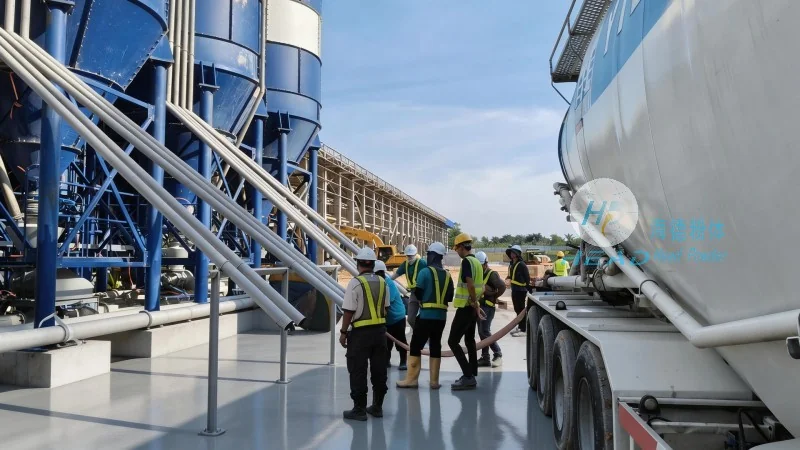
Aluminum powder, often used in industries like pyrotechnics, metallurgy, and aerospace, presents unique handling challenges due to its fine particle size, light weight, and potential for dust explosion risks. Conveying this material requires specialized equipment designed to minimize segregation, prevent clogging, and ensure safe operation. The methods employed must be capable of handling the material's flow characteristics while maintaining product integrity and operational efficiency.
Common Conveying Methods for Metal Aluminum Powder
Several conveying systems are commonly employed for metal aluminum powder, each with its own advantages and suitability for different scenarios. The most prevalent methods include pneumatic conveying, screw conveyors, and vibrating conveyors. Each method addresses specific challenges related to the material's properties and the operational environment.
Pneumatic Conveying Systems
Pneumatic conveying, also known as air conveying, is a widely used method for transporting metal aluminum powder. This system utilizes compressed air to move the powder through a pipeline. There are two main types of pneumatic conveying: pressure and vacuum systems. Pressure systems use positive pressure to push the material forward, while vacuum systems use negative pressure to pull it. Pneumatic conveying offers advantages such as the ability to transport materials over long distances, minimal product degradation, and the flexibility to integrate with existing production lines. However, it requires careful control of air pressure and flow rates to prevent material degradation or blockages.
Screw Conveyors
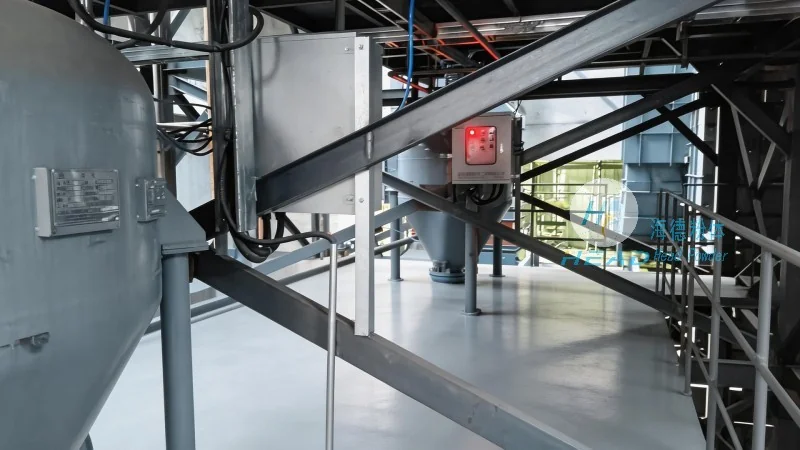
Screw conveyors, also known as auger conveyors, are another common method for conveying metal aluminum powder. These systems consist of a rotating screw (auger) inside a tube or trough, which moves the material forward through the mechanism. Screw conveyors are particularly effective for handling bulk materials with moderate flow rates and are often used in applications where horizontal or slight incline transport is required. They offer advantages such as low maintenance, simplicity, and the ability to handle a wide range of particle sizes. However, they may be less suitable for very fine or cohesive powders, as these can lead to clogging or reduced efficiency.
Vibrating Conveyors
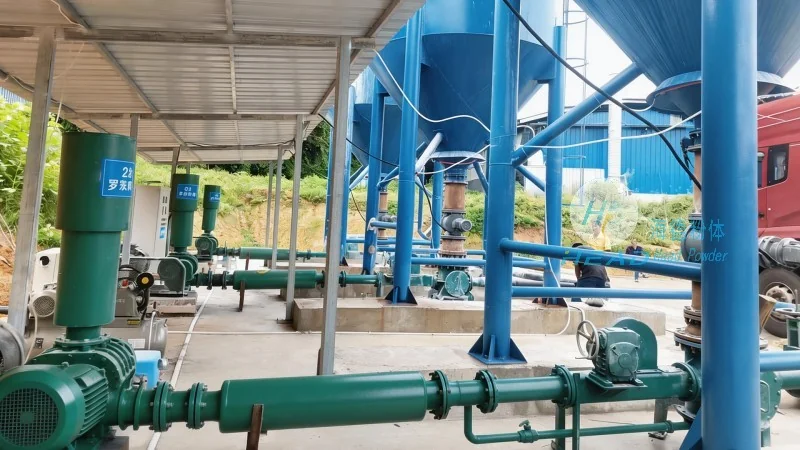
Vibrating conveyors utilize vibration to move metal aluminum powder along a conveyor bed. The system consists of a conveyor trough that is vibrated at specific frequencies and amplitudes, causing the material to move forward. This method is effective for handling materials with poor flow characteristics, such as cohesive or sticky powders. Vibrating conveyors offer advantages like low energy consumption, minimal product degradation, and the ability to handle materials with high moisture content. However, they may require more space and careful alignment to ensure smooth operation.
Choosing the Right Conveying Method for Your Needs
The selection of the most appropriate conveying method for metal aluminum powder depends on several factors, including the material's properties, production volume, and the distance to be covered. For example, pneumatic conveying is often preferred for long-distance transport or when integrating with existing pneumatic systems, while screw or vibrating conveyors may be more suitable for shorter distances or when handling materials with poor flow characteristics. It is essential to consider factors such as material flowability, dust explosion risks, and operational costs when making a decision.
Conclusion
Efficient metal aluminum powder conveyance is critical for maintaining production efficiency and product quality in various industrial applications. By understanding the different conveying methods and their respective advantages, manufacturers can select the most suitable system for their specific needs. Whether using pneumatic, screw, or vibrating conveyors, proper design and maintenance are essential to ensure reliable and safe operation. For more information on metal aluminum powder conveying solutions, contact Shandong HeadPowder Engineering Co., Ltd., a leading provider of specialized conveying equipment based in China.