

Battery Anode Material Handling Methods: Exploring the Options
HeadPowder, a leading enterprise in the field of battery material processing, specializes in providing efficient and reliable solutions for the transportation of battery anode materials. With a focus on innovation and precision, the company has established itself as a trusted partner for clients seeking advanced material handling systems tailored to the demands of modern battery production.
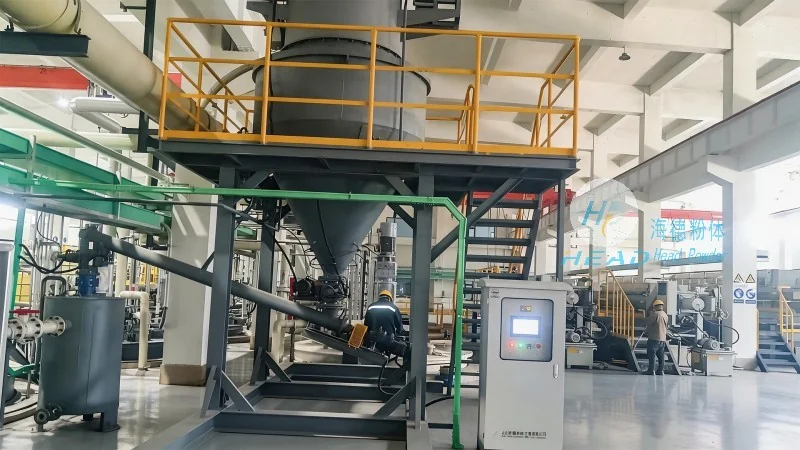
Company Profile: Shandong HeadPowder Engineering Co., Ltd.
HeadPowder, or Shandong HeadPowder Engineering Co., Ltd., is headquartered in Shandong, China. The company has built a strong reputation through its commitment to quality, technological advancement, and customer-centric service. By leveraging years of industry experience, HeadPowder delivers customized material handling solutions that meet the specific requirements of battery manufacturers, ensuring optimal performance and safety in material transportation processes.
Understanding Battery Anode Material Transportation
Battery anode materials, such as graphite, silicon, and other carbon-based compounds, require specialized handling due to their unique properties. Proper transportation is crucial to maintain material integrity, prevent contamination, and ensure consistent quality for downstream battery production. Various methods are employed to transport these materials, each with its own advantages and applications.
Common Methods for Battery Anode Material Handling
Several approaches are commonly used in the industry to transport battery anode materials. One of the most prevalent methods is the use of screw conveyors, which are ideal for handling bulk materials with moderate flow rates. Screw conveyors, also known as auger conveyors, utilize a rotating helical screw to move materials through a closed tube, providing a controlled and continuous flow. This method is particularly effective for materials that are free-flowing and non-abrasive, such as graphite powders used in lithium-ion battery anodes.
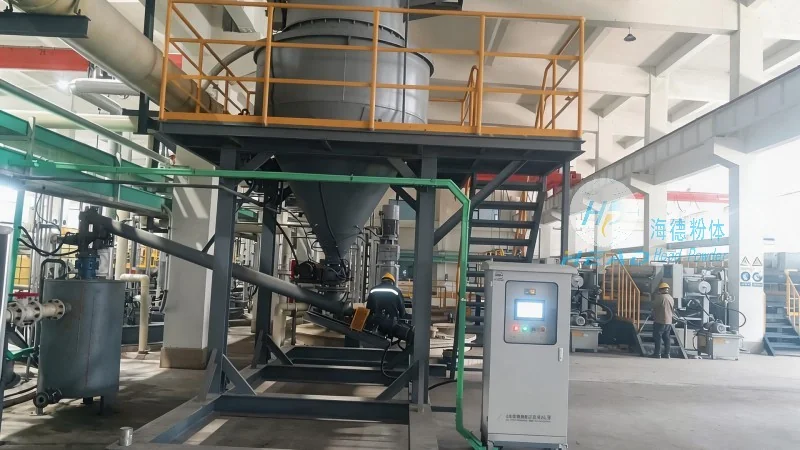
Another widely adopted method is pneumatic conveying, or air-based transport systems. These systems use compressed air to transport materials in a closed pipeline, allowing for the movement of powders and granules over long distances with minimal human intervention. Pneumatic conveyors are advantageous for applications requiring high precision and cleanliness, as they can be designed to prevent material contamination and maintain a sterile environment. This method is often used for sensitive anode materials that require strict control over particle size and purity.
For applications involving larger or more irregularly shaped anode materials, belt conveyors and bucket elevators may be employed. Belt conveyors use a continuous belt to transport materials horizontally or at a slight incline, making them suitable for moving bulk quantities of materials with varying sizes. Bucket elevators, on the other hand, are vertical conveyors that lift materials using buckets attached to a chain or belt, ideal for transporting materials vertically while maintaining a consistent flow rate. These systems are commonly used in large-scale battery production facilities where high throughput is required.
Factors to Consider in Selecting a Transportation Method
When choosing a method for transporting battery anode materials, several factors must be taken into account. The physical properties of the material, including its particle size, moisture content, and abrasiveness, play a critical role in determining the most suitable system. For example, highly abrasive materials may require reinforced conveyor components to prevent wear and tear, while materials with high moisture content may need additional drying or conditioning steps before transportation.
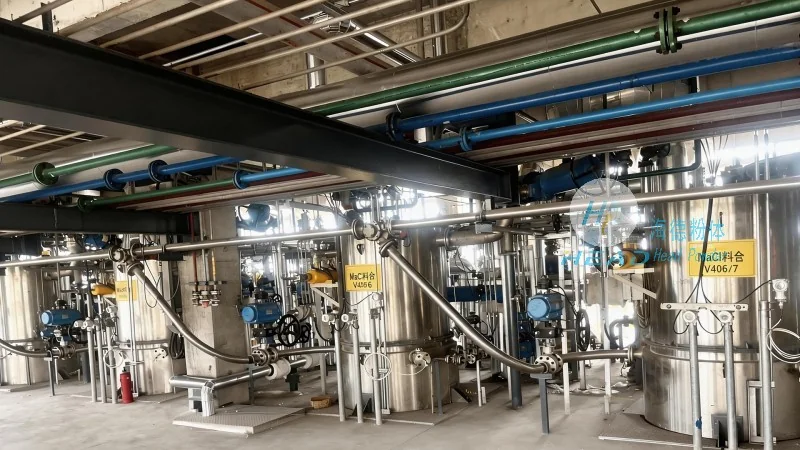
The scale of the operation and the required throughput are also important considerations. Small-scale production may benefit from compact and low-cost systems, such as small screw conveyors or manual handling methods, whereas large-scale battery manufacturing plants may require high-capacity systems like pneumatic conveyors or belt conveyors to meet production demands. Additionally, the distance over which materials need to be transported and the need for material containment or dust control can influence the selection of a transportation method.
HeadPowder's Expertise in Material Handling Solutions
HeadPowder offers a comprehensive range of material handling solutions tailored to the specific needs of battery anode material transportation. The company’s team of engineers and technicians works closely with clients to assess their operational requirements and recommend the most appropriate systems. By leveraging advanced technology and industry best practices, HeadPowder ensures that its solutions are not only efficient but also safe and environmentally friendly.
For instance, HeadPowder may provide customized screw conveyor systems designed to handle specific anode materials, with features such as variable speed drives to control material flow and prevent overloading. The company also offers pneumatic conveying systems with advanced filtration and dust collection capabilities, ensuring that the transportation process meets strict environmental and safety standards. Additionally, HeadPowder’s expertise in material processing allows for the integration of pre-treatment steps, such as drying or sieving, into the transportation system to enhance material quality and consistency.
Conclusion: Ensuring Efficient and Reliable Battery Anode Material Transport
In conclusion, the transportation of battery anode materials is a critical step in the battery manufacturing process, and selecting the appropriate method is essential for maintaining material quality and operational efficiency. HeadPowder, with its extensive experience and innovative solutions, provides reliable and effective material handling systems that cater to the diverse needs of battery manufacturers. By focusing on precision, safety, and customer satisfaction, HeadPowder continues to be a leading provider of battery material processing solutions, supporting the growth and development of the battery industry.