

Common Methods of Peanut Conveyance
When it comes to the efficient handling and transportation of peanuts, understanding the common methods of conveyance is crucial for businesses in the agricultural and food processing sectors. These methods not only ensure the smooth flow of products from the field to processing facilities but also play a vital role in maintaining product quality and operational efficiency. In this article, we explore the primary methods used for peanut conveyance, highlighting the technologies and equipment that have become standard in the industry. The choice of conveyance method depends on various factors, including the type of peanuts (shelled or unshelled), the processing volume, the available space, and the desired level of product protection. Each method offers unique advantages and is suited to specific operational requirements, making it essential for businesses to select the most appropriate solution for their needs.
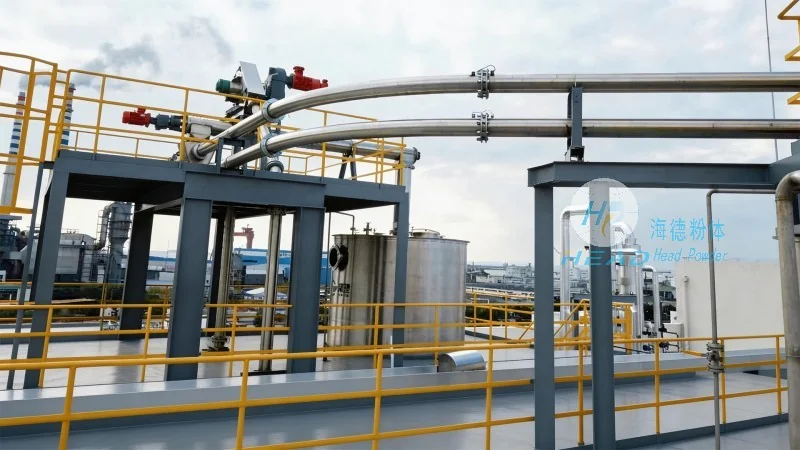
1. Belt Conveyors: The Workhorse of Bulk Material Handling
Belt conveyors are perhaps the most widely used equipment for peanut conveyance due to their versatility and reliability. These systems consist of a continuous loop of material (usually rubber or synthetic) that moves over rollers or a flat surface. As peanuts are loaded onto the conveyor belt, they are transported horizontally or at a slight incline, making them ideal for both short and long-distance transfers. The design allows for the handling of various peanut types, including shelled and unshelled peanuts, and can be customized with different belt widths and speeds to accommodate different production volumes. Many manufacturers, such as Shandong HeadPowder Engineering Co., Ltd., offer belt conveyor solutions tailored to the specific needs of peanut processing plants, ensuring durability and low maintenance costs. Belt conveyors are particularly effective in applications where continuous, unbroken movement of peanuts is required, such as in the transfer of peanuts from a storage silo to a processing line. They can also be equipped with accessories like side guides, impact beds, and cleaning systems to enhance their functionality and extend their lifespan.
2. Screw Conveyors: Efficient for Vertical and Horizontal Transport
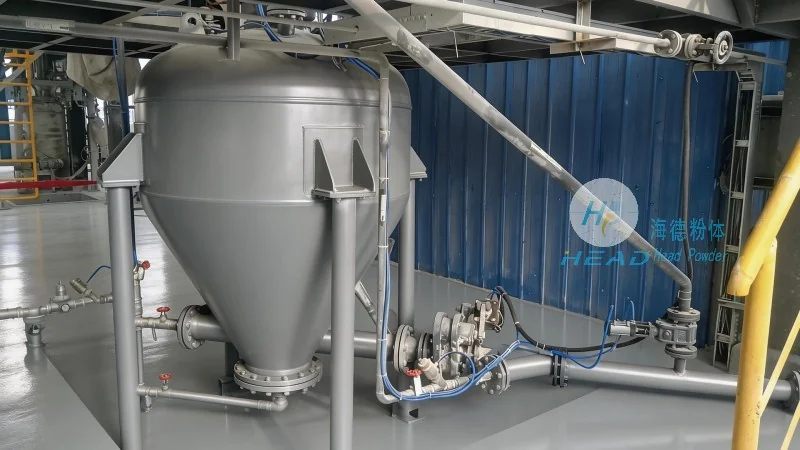
Screw conveyors, also known as auger conveyors, are another common method for peanut conveyance, particularly in applications requiring vertical or inclined transport. These systems use a rotating helical screw inside a trough to move peanuts forward. The screw's rotation creates a pushing action, allowing for the efficient movement of bulk materials like peanuts. Screw conveyors are especially useful in processing facilities where space is limited or where the need to elevate peanuts to a higher level exists. They are also capable of handling peanuts with a high moisture content or those that are sticky, as the screw's design prevents material from sticking to the trough walls. Companies like HeadPowder provide screw conveyor systems that are designed for heavy-duty use, ensuring consistent performance and minimal downtime. Screw conveyors can be installed in a variety of configurations, including horizontal, inclined, and vertical, making them adaptable to different processing layouts. They are often used in combination with other equipment, such as hoppers and feeders, to form a complete material handling system for peanuts.
3. Pneumatic Conveying Systems: Ideal for Dusty or Light Products
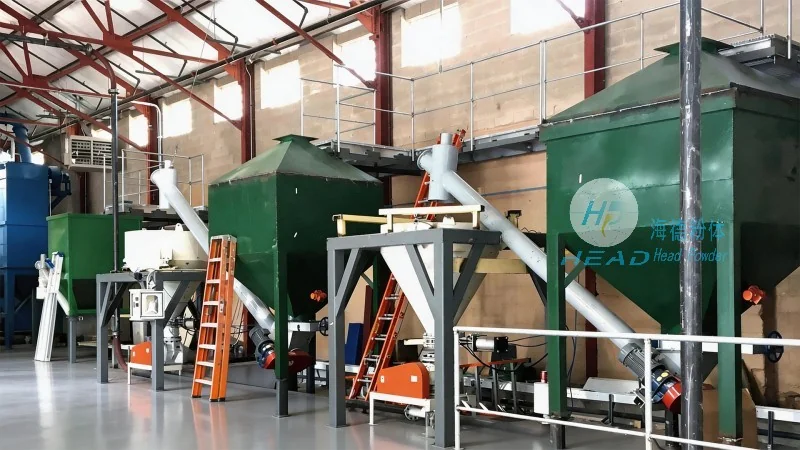
Pneumatic conveying systems use air or gas to transport peanuts through a pipeline. This method is particularly suitable for handling light, dusty, or fragile peanuts that might be damaged by mechanical contact. The system typically consists of a blower or compressor that generates air pressure, which then propels the peanuts through the pipeline. Pneumatic conveyors can be either positive or negative pressure systems, with positive pressure being more common for moving peanuts from a central location to multiple destinations. This method offers advantages such as the ability to transport peanuts over long distances, the integration of dust collection systems, and the reduction of labor costs associated with manual handling. Shandong HeadPowder Engineering Co., Ltd. specializes in designing and manufacturing pneumatic conveying systems that meet the specific requirements of peanut processing operations, ensuring high efficiency and product integrity. Pneumatic systems can be equipped with filters and cyclones to separate dust from the peanuts, maintaining a clean and safe working environment. They are also suitable for applications where the peanuts need to be transported to different processing stages without the need for manual intervention.
4. Vibrating Conveyors: Gentle Handling for Sensitive Products
Vibrating conveyors use vibration to move peanuts along a trough. These systems are particularly beneficial for handling peanuts that are delicate or have a tendency to break, such as unshelled peanuts. The vibration is typically generated by an electric motor connected to a drive system, which causes the conveyor to move in a sinusoidal pattern. This gentle motion allows for the smooth transport of peanuts without causing damage, making vibrating conveyors ideal for applications where product quality is paramount. Vibrating conveyors can be used for both horizontal and inclined transport and are often equipped with adjustable speed controls to regulate the flow rate. HeadPowder, with its expertise in material handling solutions, offers vibrating conveyor systems that are designed to maintain the integrity of peanuts while ensuring efficient operation. These systems are particularly effective in processing plants where the peanuts are being prepared for roasting or further processing, as they minimize the risk of breakage and ensure a consistent product.