

Common Methods of Ceramic Powder Conveyance
When it comes to the efficient handling and transportation of ceramic powders, selecting the right conveyance method is crucial for maintaining product quality and operational efficiency. As a leading provider in the field, Shandong HeadPowder Engineering Co., Ltd. specializes in delivering tailored solutions that address the unique challenges associated with ceramic powder handling. This article explores the common methods used for ceramic powder conveyance, highlighting their applications and advantages.
1. Screw Conveyors for Ceramic Powder Handling
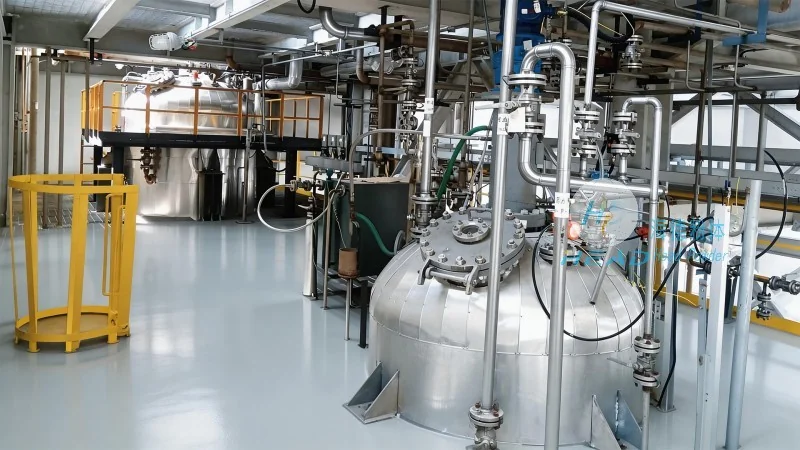
Screw conveyors, also known as auger conveyors, are widely used in the ceramic industry for transporting ceramic powders due to their simplicity and effectiveness. These devices consist of a rotating helical screw inside a trough, which moves material along the length of the conveyor. The design allows for a continuous and controlled flow of powder, making it suitable for horizontal or slight incline applications. For ceramic powders, screw conveyors are particularly effective when dealing with dry, free-flowing materials. They are often preferred for short to medium distance transport and can be integrated with other processing equipment, such as mixers or classifiers, to streamline production lines. The key advantage of screw conveyors is their ability to handle a wide range of particle sizes and densities without the need for additional components like seals or filters. This makes them a reliable choice for manufacturers looking to maintain product integrity while ensuring smooth operation.
2. Pneumatic Conveying Systems for Ceramic Powders
Pneumatic conveying systems utilize air or other gases to transport ceramic powders through a network of pipes. This method is particularly advantageous for applications requiring long-distance transport or when the powder needs to be handled in a closed system to prevent contamination or dust exposure. There are two main types of pneumatic conveying: pressure and vacuum systems. Pressure systems use compressed air to push the powder through the pipeline, while vacuum systems use a vacuum to draw the material. For ceramic powders, pressure systems are often preferred as they can handle higher material loads and are more efficient for long-distance transport. The flexibility of pneumatic conveying allows for the integration of multiple transfer points and the ability to handle varying flow rates. This makes it an ideal solution for complex production environments where multiple processing stages are involved. However, it is important to consider the material's properties, such as moisture content and particle size, as these factors can impact the system's performance and efficiency.
3. Vibratory Conveyors for Ceramic Powder Transport
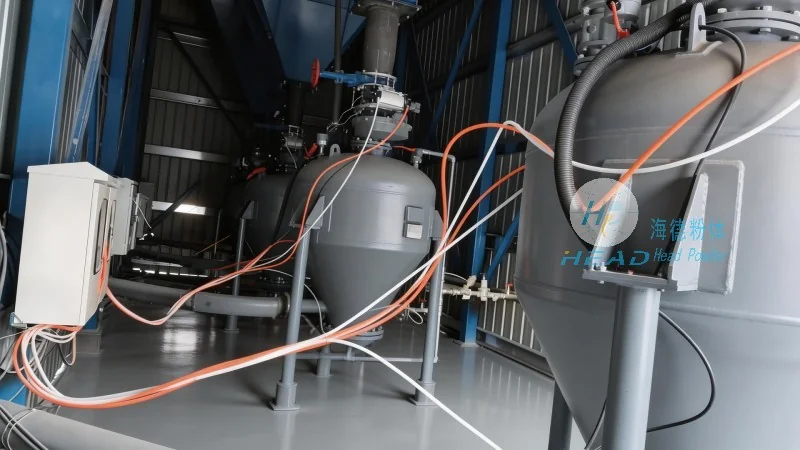
Vibratory conveyors employ vibrations to move ceramic powders along a trough or conveyor bed. These systems are designed to handle materials with varying flow characteristics, including cohesive or sticky powders, which may be difficult to transport using traditional methods. The vibration mechanism helps to break up agglomerates and ensure a consistent flow of material. Vibratory conveyors are commonly used for both horizontal and inclined transport, making them versatile for different production setups. They are particularly effective when dealing with bulk ceramic powders that require gentle handling to avoid degradation. The design of vibratory conveyors allows for easy maintenance and cleaning, which is essential for maintaining product quality and hygiene standards in the ceramic industry. Additionally, these systems can be equipped with variable speed controls, enabling operators to adjust the conveyor speed based on the specific material being handled. This adaptability ensures optimal performance and minimizes downtime during production.
4. Belt Conveyors for Bulk Ceramic Powder Handling
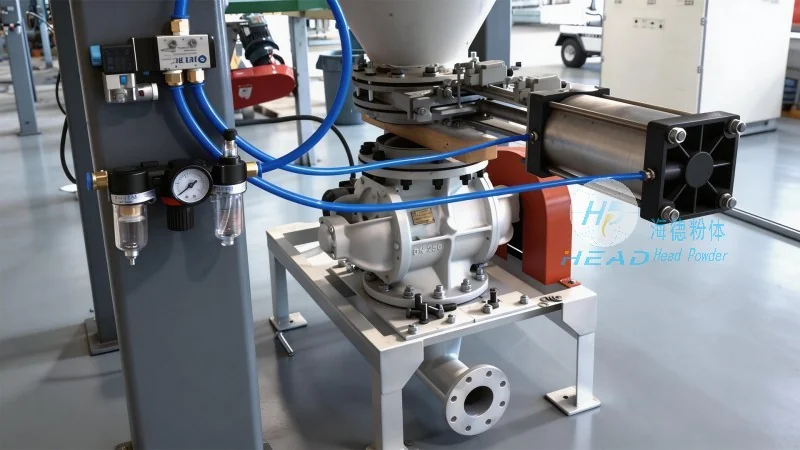
Belt conveyors are another common method for transporting ceramic powders, especially in applications requiring high-volume material handling. These systems consist of a continuous belt that moves over rollers or pulleys, carrying the powder from one location to another. Belt conveyors are ideal for long-distance transport and can handle a wide range of particle sizes and material types. They are often used in conjunction with other equipment, such as hoppers or feeders, to facilitate the loading and unloading of ceramic powders. The key advantage of belt conveyors is their ability to handle large quantities of material with minimal energy consumption. This makes them a cost-effective solution for manufacturers looking to improve their operational efficiency. However, it is important to ensure that the belt material is compatible with the ceramic powder to prevent wear and tear or contamination. Proper maintenance, including regular cleaning and inspection of the belt and rollers, is essential to maintain the conveyor's performance and longevity.
5. Hydraulic Conveying for Specialized Ceramic Powder Applications

For specialized applications, such as the transport of fine or abrasive ceramic powders, hydraulic conveying systems may be employed. These systems use hydraulic fluid to create pressure that moves the material through a pipeline. Hydraulic conveyors are particularly effective for handling materials with high abrasiveness or low flowability, as the fluid helps to lubricate the material and reduce friction. This method is often used in industries where the powder needs to be transported under high pressure or in a controlled environment. While less common than other methods, hydraulic conveying offers unique advantages for specific ceramic powder applications. The ability to handle abrasive materials without significant wear on the system components makes it a viable option for manufacturers dealing with challenging materials. However, the complexity and cost of hydraulic systems may limit their use to specialized or high-value applications.
6. Selection Considerations for Ceramic Powder Conveyance
Choosing the appropriate conveyance method for ceramic powders requires careful consideration of several factors, including the material's properties, the required transport distance, and the production environment. Shandong HeadPowder Engineering Co., Ltd. emphasizes the importance of evaluating these factors to ensure the selected system meets the specific needs of the application. Key considerations include the particle size and density of the ceramic powder, as these properties can affect the flow characteristics and the required conveyor design. The distance between the source and destination of the powder is another critical factor, as it determines whether a short-distance method like a screw conveyor or a long-distance method like pneumatic conveying is more suitable. Additionally, the need for a closed system to prevent dust or contamination may influence the choice between open and enclosed conveyors. By carefully assessing these factors, manufacturers can select the most efficient and effective conveyance method, ensuring optimal performance and product quality.
Conclusion
In conclusion, the selection of an appropriate ceramic powder conveyance method is essential for maintaining the quality and efficiency of ceramic production processes. Shandong HeadPowder Engineering Co., Ltd. offers a range of solutions tailored to the unique requirements of ceramic powder handling, including screw conveyors, pneumatic systems, vibratory conveyors, belt conveyors, and hydraulic systems. Each method has its own advantages and is suitable for different applications, making it crucial to evaluate the specific needs of the operation. By working with experienced providers like HeadPowder, manufacturers can ensure that their ceramic powder conveyance systems are optimized for performance, reliability, and cost-effectiveness. Whether dealing with dry, free-flowing powders or more challenging materials, the right conveyance method can significantly improve production efficiency and product quality in the ceramic industry.