Công ty TNHH Kỹ thuật Headpowder Sơn Đông chuyên vận chuyển khí nén bột và hạt. Nhờ thế mạnh hợp tác doanh nghiệp‑trường‑viện, chúng tôi cung cấp giải pháp vận chuyển kín, không bụi, độ chính xác cao.
Efficient and reliable cocoa powder conveying is a critical aspect of industrial operations in the food processing sector. Proper handling of cocoa powder ensures product quality, minimizes contamination risks, and enhances overall production efficiency. As a leading provider in the field, Shandong HeadPowder Engineering Co., Ltd., based in Shandong, China, specializes in delivering tailored conveying solutions that meet the unique demands of cocoa powder handling. This article explores the common methods used for cocoa powder conveying, highlighting the key features and applications of each approach.
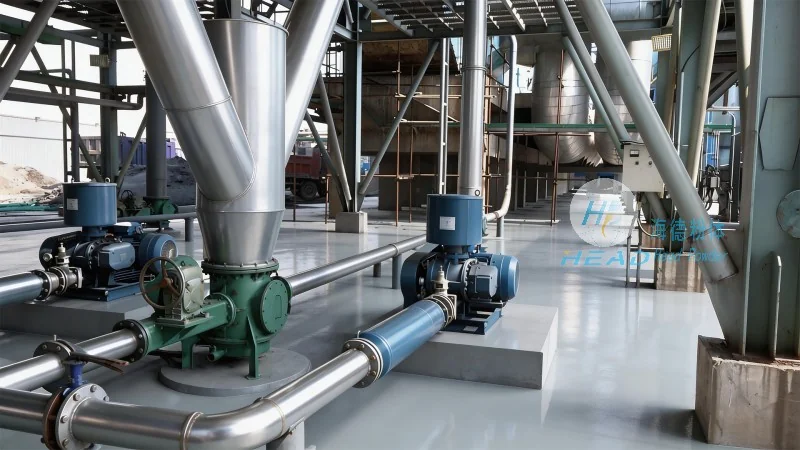
1. Pneumatic Conveying Systems
Pneumatic conveying systems are widely regarded as one of the most effective methods for transporting cocoa powder due to their ability to handle fine powders with minimal dust generation and high efficiency. These systems utilize air pressure to move the powder through a network of pipes, often employing positive pressure or negative pressure (vacuum) to control the flow. The primary components of a typical pneumatic conveying system include a hopper, a rotary airlock valve, a conveyor line, and a receiver. The system operates by feeding cocoa powder into the hopper, where it is then drawn into the conveyor line by the air flow. Pneumatic conveyors are particularly suitable for applications requiring long-distance transport, multiple destination points, or integration with other processing equipment. They offer advantages such as low maintenance, the ability to handle abrasive materials, and the option for dust collection and filtration, which are essential for maintaining product purity and compliance with industry standards.
2. Screw Conveyors
Screw conveyors, also known as auger conveyors, are another common method for cocoa powder conveying. These systems consist of a rotating helical screw inside a trough or tube, which moves the powder along the length of the conveyor. Screw conveyors are ideal for horizontal or slightly inclined transport and are particularly effective for handling bulk materials that are free-flowing or moderately cohesive. The design of the screw (e.g., solid or segmented) and the speed of rotation can be adjusted to optimize the conveying capacity and prevent material bridging or clogging. Screw conveyors are often used in applications where space is limited or where the powder needs to be elevated to a higher level. They offer the advantage of being enclosed, which helps contain dust and maintain hygiene standards, making them suitable for food processing environments. Additionally, screw conveyors are relatively simple in structure, requiring less maintenance compared to more complex systems like pneumatic conveyors.
3. Belt Conveyors
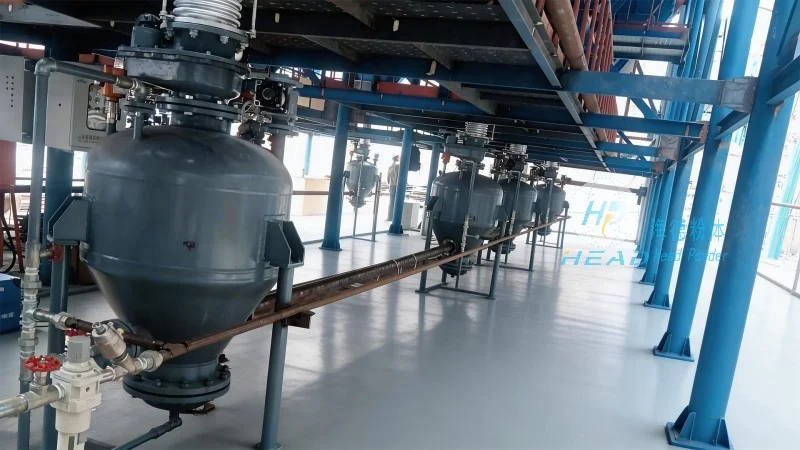
Belt conveyors are a versatile and widely used method for cocoa powder conveying, especially in scenarios where bulk quantities need to be transported over longer distances or at higher speeds. These systems consist of a continuous belt looped over two or more pulleys, with the material placed on the belt and carried along by its movement. Belt conveyors are available in various configurations, including flat-belt, troughed-belt, and flexible-belt designs, each tailored to specific material characteristics and operational requirements. For cocoa powder, a troughed-belt conveyor is often preferred as it provides better containment and reduces spillage. The speed and inclination of the belt can be adjusted to control the conveying rate and prevent material degradation or segregation. Belt conveyors are particularly effective for applications involving high-volume transport, such as in bulk handling facilities or packaging lines. They offer advantages such as high throughput, low power consumption per unit weight, and the ability to integrate with other equipment like hoppers, elevators, or packaging machines. However, they require regular maintenance of the belt and pulleys to ensure smooth operation and prevent wear and tear.
4. Hydraulic Conveying
While less common than pneumatic or mechanical systems, hydraulic conveying is an alternative method for cocoa powder transport, particularly in specialized applications where high pressure and precise control are required. Hydraulic systems use fluid pressure to move the powder through a pipeline, often employing a pump to generate the necessary force. This method is suitable for transporting cocoa powder in high-viscosity or abrasive environments, where other systems may struggle. Hydraulic conveyors are typically used in industrial settings where the powder needs to be moved under high pressure, such as in processing plants with complex piping networks. They offer advantages such as the ability to handle a wide range of particle sizes and densities, and the option for remote control and automation. However, hydraulic systems require more complex maintenance and are generally more expensive to install and operate compared to pneumatic or screw conveyors. They are therefore more commonly used in niche applications where their unique capabilities are essential.
5. Combination Systems
In many industrial settings, a single conveying method may not be sufficient to meet all the requirements of cocoa powder handling. As a result, combination systems that integrate multiple technologies are increasingly popular. These systems typically combine elements of pneumatic, screw, or belt conveyors to achieve optimal performance. For example, a hybrid system might use a screw conveyor to feed a pneumatic conveyor, or a belt conveyor to transfer material to a hopper for further processing. Combination systems allow for greater flexibility and adaptability, enabling operators to adjust the conveying method based on changing production needs or material characteristics. They are particularly useful in large-scale production facilities where different stages of processing require different handling approaches. By integrating multiple technologies, combination systems can improve overall efficiency, reduce downtime, and enhance product quality. Shandong HeadPowder Engineering Co., Ltd. specializes in designing and manufacturing such customized combination systems, ensuring that clients receive tailored solutions that address their specific operational challenges.
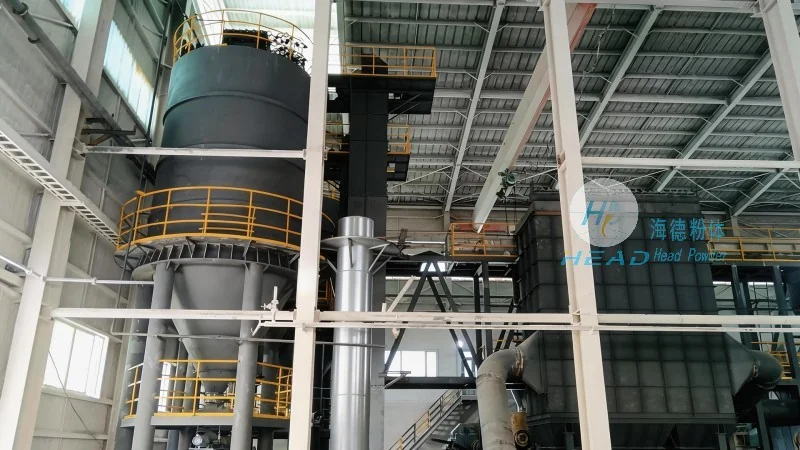
6. Key Considerations for Selecting a Conveying Method
When selecting a conveying method for cocoa powder, several factors must be considered to ensure the most suitable and efficient solution. The first consideration is the material characteristics of the cocoa powder, including its particle size, moisture content, and flowability. Fine powders with high moisture content may require systems that minimize dust and prevent caking, such as enclosed screw or pneumatic conveyors. The second factor is the distance and direction of transport, as horizontal or vertical movement may dictate the choice of equipment. For example, vertical conveying may require a screw or pneumatic system, while horizontal transport may be better suited to belt or screw conveyors. The third consideration is the required throughput and capacity, as high-volume applications may necessitate larger or more powerful systems. Additionally, the need for dust control, hygiene standards, and integration with other processing equipment are critical factors that influence the selection. By carefully evaluating these factors, industrial operators can choose the most appropriate conveying method that balances efficiency, cost, and operational requirements. Shandong HeadPowder Engineering Co., Ltd. provides expert guidance and customized solutions to help clients select the optimal conveying method for their cocoa powder handling needs.
7. Maintenance and Best Practices
Proper maintenance is essential to ensure the longevity and reliability of cocoa powder conveying systems. Regular maintenance helps prevent breakdowns, minimize downtime, and maintain product quality. For pneumatic systems, routine checks of air pressure, filter efficiency, and valve operation are crucial. Screw conveyors require regular inspection of the screw and trough for wear and clogging, as well as lubrication of moving parts. Belt conveyors need periodic inspection of the belt for damage or wear, and adjustment of the tension and alignment. Additionally, cleaning and sanitization of the system are important to maintain hygiene standards and prevent contamination. Best practices for cocoa powder conveying include using enclosed systems to contain dust, implementing proper filtration and dust collection, and ensuring that the equipment is designed to handle the specific characteristics of the powder. By following these maintenance and best practices, industrial operators can maximize the performance and lifespan of their conveying systems, ensuring consistent and high-quality cocoa powder transport. Shandong HeadPowder Engineering Co., Ltd. offers maintenance services and technical support to help clients maintain their conveying systems in optimal condition.

 Shandong Headpowder Engineering Co., Ltd.
 156-6277-7102(Quản lý Trương)
  0531-83386006
  Thành phố Tế Nam, Tỉnh Sơn Đông, Trung Quốc
Điện thoại
WeChatTư vấn
Lên đầu