

Common Methods of Cotton Fiber Conveyance
When it comes to processing cotton fibers, efficient and reliable conveyance is a critical step in the overall workflow. Various methods are employed to move cotton from one stage of processing to another, each with its own advantages and applications. Understanding these common methods helps in selecting the most suitable solution for specific industrial needs.
About Shandong HeadPowder Engineering Co., Ltd.
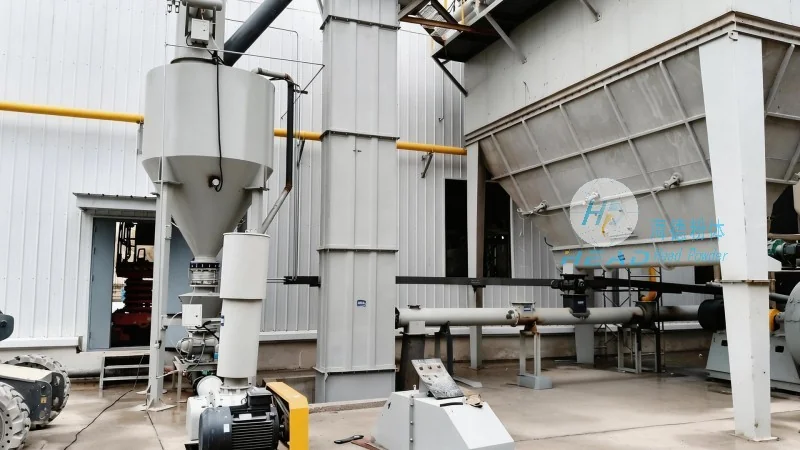
Shandong HeadPowder Engineering Co., Ltd., commonly known as HeadPowder, is a leading provider of specialized equipment and solutions for the textile and cotton processing industries. With a focus on innovation and quality, HeadPowder offers a range of products designed to enhance operational efficiency and productivity in cotton fiber handling. The company is headquartered in Shandong, China, and serves clients globally with tailored solutions that meet diverse industrial requirements.
1. Mechanical Conveyance Systems
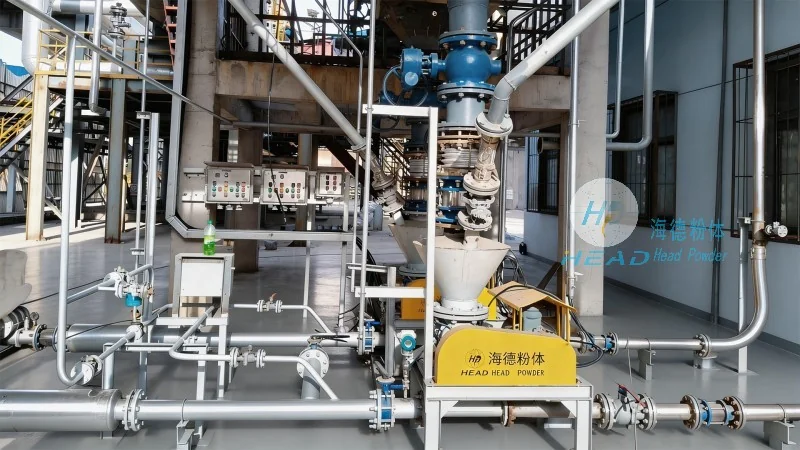
One of the most traditional methods for cotton fiber conveyance is through mechanical systems. These typically involve the use of conveyor belts, screw conveyors, and chain conveyors. Mechanical conveyors are widely used in cotton processing plants due to their simplicity, reliability, and ability to handle large volumes of material. They are particularly effective for transporting cotton from storage bins to processing machinery. The design of these systems often includes features such as adjustable speed controls and material flow regulation to ensure smooth operation and prevent blockages. Mechanical conveyors are also known for their low maintenance requirements, making them a cost-effective choice for many cotton processing facilities.
2. Pneumatic (Air) Conveyance Systems
Pneumatic or air conveyance systems represent a more advanced approach to cotton fiber transport. These systems use compressed air to move cotton fibers through a network of pipes and ducts. The process involves creating a pressure differential that propels the material forward. Pneumatic conveyors are highly efficient for long-distance transport and can handle fine or dusty cotton fibers without causing damage. They are particularly useful in applications where dust control and contamination prevention are critical. The systems often include components such as rotary valves, filters, and air compressors to ensure consistent and reliable operation. Pneumatic conveyance is known for its ability to handle varying material loads and maintain a clean working environment, which is essential in modern cotton processing operations.
3. Hydraulic Conveyance Systems
Hydraulic conveyance systems utilize fluid power to move cotton fibers. These systems are less common in cotton processing but are used in specific applications where high force and precise control are required. Hydraulic conveyors can handle heavy or abrasive materials and are suitable for situations where mechanical or pneumatic systems may not be effective. The operation involves using hydraulic pumps to generate pressure, which drives the material through a system of hoses and cylinders. Hydraulic conveyance is characterized by its high power density and ability to handle large volumes of material with minimal energy consumption. However, these systems require regular maintenance and are more complex to install compared to mechanical or pneumatic alternatives.
4. Combination Conveyance Systems
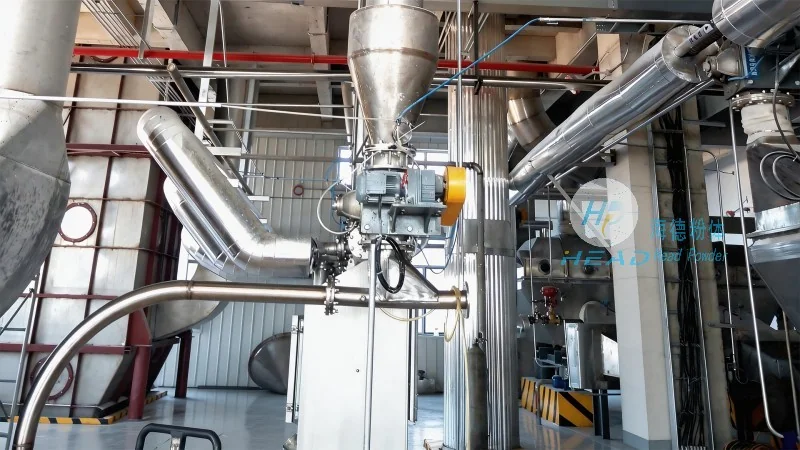
In many modern cotton processing facilities, a combination of mechanical and pneumatic systems is used to achieve optimal performance. These hybrid systems leverage the strengths of both approaches, providing flexibility and efficiency. For example, a mechanical conveyor might be used to transport bulk cotton from a storage area to a pneumatic system that then distributes the fibers to individual processing units. This approach allows for seamless integration of different stages of the cotton handling process, reducing downtime and improving overall productivity. Combination systems are particularly beneficial in large-scale operations where multiple processing lines require coordinated material flow.
Choosing the Right Conveyance Method for Your Needs
Selecting the appropriate cotton fiber conveyance method depends on several factors, including the type and quantity of material, the distance to be covered, and the specific requirements of the processing plant. Mechanical systems are often preferred for short-distance, high-volume transport due to their simplicity and cost-effectiveness. Pneumatic systems excel in long-distance or fine material transport, offering better dust control and material protection. Hydraulic systems are more specialized and are typically used in applications requiring high force or precise control. By evaluating these factors and considering the advantages of each method, cotton processing facilities can make informed decisions that enhance operational efficiency and product quality.