

What Methods Can Be Used for Fine Sand Conveying?
Fine sand, characterized by its small particle size and high density, presents unique challenges in material handling and transportation. Effective conveying of fine sand is crucial for various industrial applications, including construction, mining, and water treatment. The choice of conveying method depends on factors such as the sand's properties, the distance to be transported, and the required throughput. This article explores several common methods for fine sand conveying, highlighting their advantages and applications.
1. Screw Conveyors for Fine Sand Transport
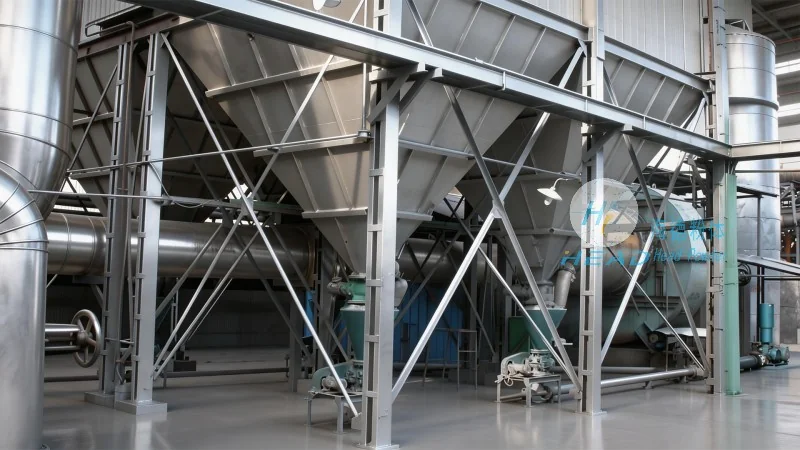
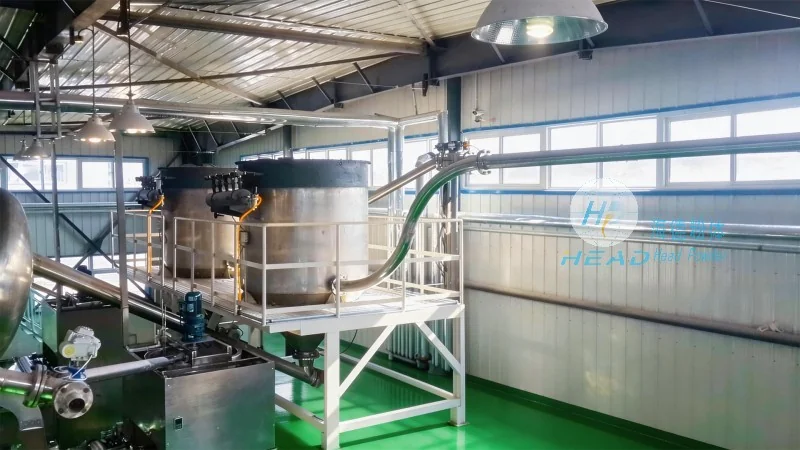
Screw conveyors, also known as auger conveyors, are widely used for transporting fine sand due to their simplicity and efficiency. These equipment consist of a rotating helical screw inside a cylindrical tube. As the screw rotates, it pushes the sand forward, creating a continuous flow. Screw conveyors are particularly suitable for horizontal or slightly inclined transport, with a maximum inclination angle typically up to 20 degrees. They are ideal for applications where the sand needs to be moved over short to medium distances, such as in sand processing plants or construction sites. The design of the screw, including its pitch and diameter, can be customized to handle different sand compositions and particle sizes, ensuring optimal performance. For instance, a high-pitch screw may be used for lighter, more fluid sand, while a low-pitch screw is better suited for heavier, more abrasive materials. The material of the screw and housing, often made from stainless steel or high-strength plastics, prevents wear and corrosion, extending the equipment's lifespan. Screw conveyors are also easy to install and maintain, making them a cost-effective solution for fine sand conveying in many industrial settings.
2. Pneumatic Conveying Systems for Fine Sand
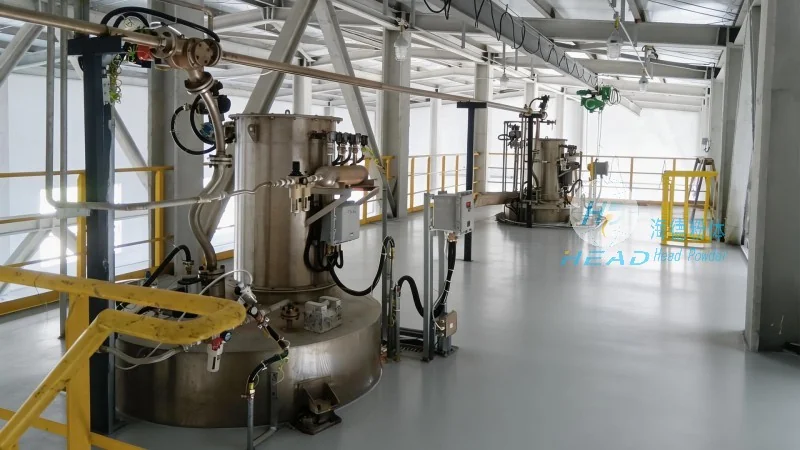
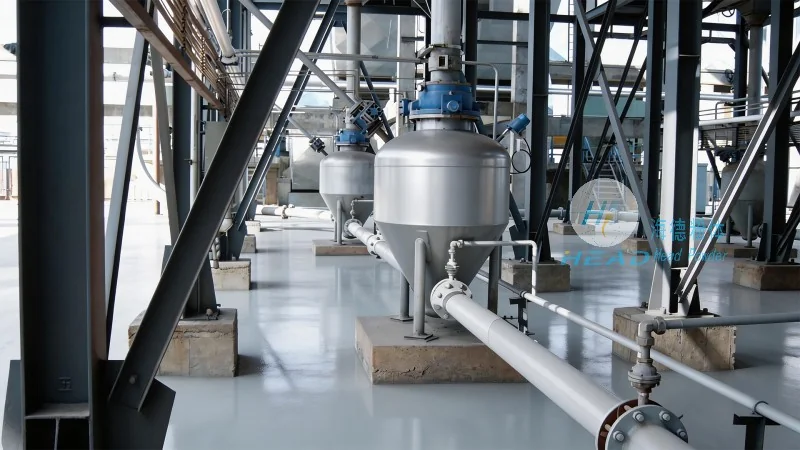
Pneumatic conveying systems utilize air or gas to transport fine sand through a pipeline. This method is particularly effective for long-distance or high-volume transport, as it can move materials over several hundred meters without the need for multiple transfer points. There are two main types of pneumatic conveying: pressure and vacuum systems. Pressure systems use compressed air to push the sand through the pipeline, while vacuum systems use suction to draw the material. For fine sand, pressure systems are more common due to their ability to handle higher material loads and maintain a consistent flow. The system typically includes a hopper to store the sand, a feeder to control the material flow, and a pipeline network with appropriate valves and filters. The air velocity in the pipeline must be carefully controlled to prevent particle segregation or blockages. Proper design of the pipeline diameter and air pressure is crucial to ensure efficient transport. Pneumatic conveying is advantageous for applications requiring dust-free or enclosed transport, as the sand is contained within the pipeline. However, it may require more energy compared to other methods and can be more complex to install and maintain. The system's performance is also affected by the sand's moisture content and particle size distribution, as these factors influence the air-solid flow characteristics.
3. Belt Conveyors for Bulk Fine Sand Handling
Belt conveyors are a classic and reliable method for transporting fine sand over long distances. These systems consist of a continuous belt that moves over rollers or idlers, carrying the sand from the loading point to the discharge point. Belt conveyors are suitable for both horizontal and inclined transport, with steep inclines possible depending on the belt's design and the sand's properties. They are commonly used in mining operations, where large volumes of sand need to be moved from the extraction site to processing facilities. The belt material, often made from rubber or synthetic fabrics, is chosen based on the sand's abrasiveness and load capacity. For fine sand, a heavy-duty belt with a smooth surface is preferred to minimize friction and wear. The conveyor's speed and capacity can be adjusted to match the production requirements, ensuring a steady flow of material. Belt conveyors are capable of handling high throughput rates, making them ideal for large-scale industrial applications. However, they require regular maintenance, such as belt tension checks and pulley replacements, to prevent downtime. The system's design also includes safety features like emergency stop buttons and protective guards to ensure operator safety. Despite the need for maintenance, belt conveyors remain a cost-effective solution for long-distance fine sand transport due to their low operating costs and high efficiency.
4. Hydraulic Conveying for Fine Sand Transport
Hydraulic conveying systems use water or a slurry to transport fine sand, particularly in applications where the sand is mixed with water or other liquids. This method is commonly used in the mining and construction industries for transporting sand from pits or quarries to processing plants. The system typically involves a pump that creates a high-pressure water flow, which carries the sand through a pipeline. The slurry is then separated from the water at the discharge point, with the sand collected for further processing. Hydraulic conveying is effective for long-distance transport, as the water provides a continuous medium for the material. The system's performance depends on the water pressure and the sand's particle size, as finer particles may require higher pressure to maintain suspension. Hydraulic conveyors are advantageous for handling abrasive materials, as the water acts as a lubricant, reducing wear on the pipeline and equipment. However, they require a water source and may generate more waste water, which needs to be managed properly. The system also includes filtration and separation equipment to remove excess water and prevent clogging. Hydraulic conveying is particularly suitable for applications where the sand is already in a wet state or needs to be mixed with water for transport. It offers a flexible solution for moving fine sand over varying distances and through different terrains.
5. Vibrating Conveyors for Fine Sand Handling
Vibrating conveyors utilize vibration to move fine sand along a trough or conveyor belt. These systems are designed to handle materials with low to medium flowability, making them suitable for fine sand that may tend to stick or segregate. The conveyor consists of a trough that vibrates at a specific frequency and amplitude, causing the sand to move forward. The vibration helps to break up clumps and maintain a uniform flow, preventing material buildup or blockages. Vibrating conveyors are often used in applications where the sand needs to be transported over short to medium distances, such as in sand processing plants or foundries. The frequency and amplitude of the vibration can be adjusted to optimize the conveying performance for different sand types. For example, a higher frequency may be used for lighter, more fluid sand, while a lower frequency is better for heavier, more abrasive materials. The trough material, typically made from stainless steel or rubber, is chosen to resist wear and corrosion from the sand. Vibrating conveyors are easy to install and maintain, with minimal moving parts, reducing the risk of mechanical failure. They are also energy-efficient compared to other conveying methods, as they require less power to operate. However, they may not be suitable for long-distance transport due to the limitations of the vibration mechanism. The system's design includes safety features like emergency stop switches and protective covers to ensure safe operation. Vibrating conveyors provide a reliable and efficient solution for fine sand handling in various industrial settings.