

Methods of Iron Turnings Transportation
When it comes to handling and transporting iron turnings, various methods are employed to ensure efficiency and safety in industrial operations. Understanding the different approaches to iron turnings transportation is crucial for optimizing material flow and maintaining operational productivity. This article explores the primary methods used for moving iron turnings, highlighting their applications and benefits.
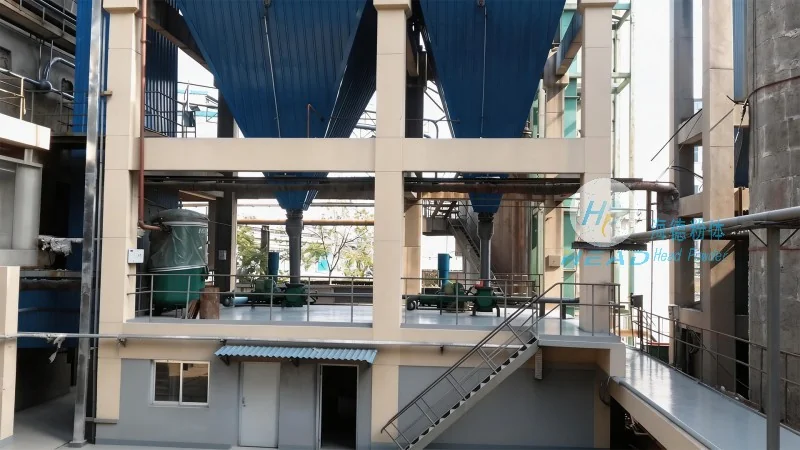
1. Conveying Systems for Iron Turnings
Conveying systems are among the most common methods for transporting iron turnings. These systems utilize mechanical components such as belts, chains, or screws to move the material from one location to another. Belt conveyors, for instance, are widely used due to their ability to handle large volumes of material over long distances. They are particularly effective in environments where the iron turnings are dry and free-flowing. The design of belt conveyors can be customized to accommodate different sizes and shapes of turnings, ensuring minimal material loss and efficient transport. Additionally, chain conveyors are suitable for heavier or more abrasive iron turnings, as they can withstand higher loads and provide consistent movement. Screw conveyors, on the other hand, are ideal for vertical or inclined transport, allowing for the movement of iron turnings between different levels of a facility. These systems are often equipped with protective covers to prevent dust and debris from escaping, maintaining a clean and safe working environment.
2. Pneumatic Conveying for Iron Turnings
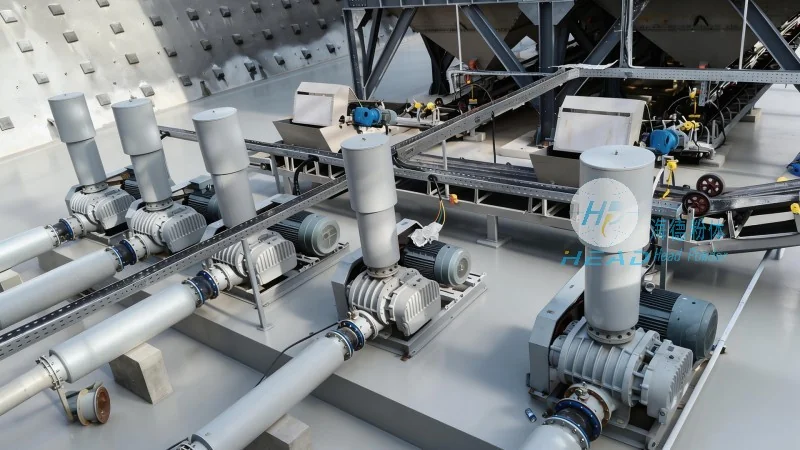
Pneumatic conveying is another effective method for transporting iron turnings, especially in applications where the material needs to be moved over short to medium distances or through complex pathways. This method involves using air pressure to move the iron turnings through a pipeline system. There are two main types of pneumatic conveying: pressure and vacuum systems. Pressure systems use compressed air to push the material forward, while vacuum systems use a vacuum to pull the material through the pipe. Pneumatic conveying is particularly advantageous for handling fine or dusty iron turnings, as it can prevent material spillage and reduce the risk of contamination. The system typically includes a hopper to collect the iron turnings, a blower or vacuum pump to generate the air flow, and a discharge point where the material is released. This method is often used in industries such as metalworking and foundries, where the iron turnings need to be transported from the machining area to a storage or recycling facility. Pneumatic conveying systems are also known for their ability to handle materials with varying moisture content, making them versatile for different applications.
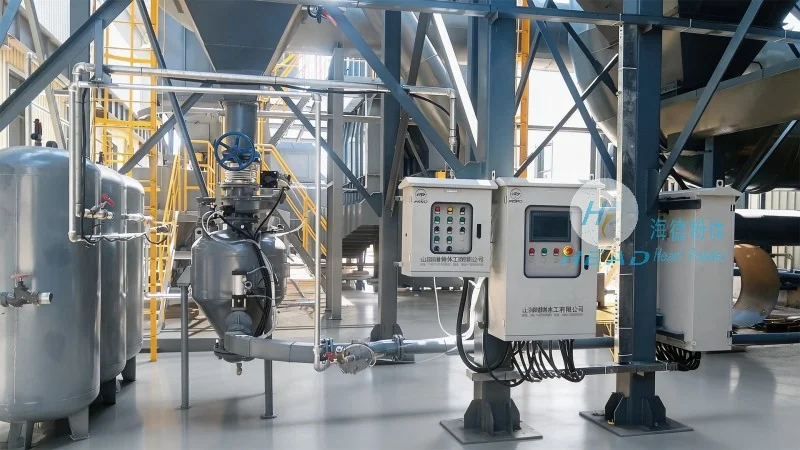
3. Bucket Elevators for Vertical Transport of Iron Turnings
For vertical transport of iron turnings, bucket elevators are a reliable and efficient solution. These systems consist of a series of buckets attached to a chain or belt that moves along a vertical or inclined track. The buckets are designed to scoop up the iron turnings from a lower level and transport them to a higher level. Bucket elevators are commonly used in facilities where the iron turnings need to be lifted from the ground floor to an upper level for processing or storage. They are particularly effective for handling bulk quantities of iron turnings, as they can move large volumes of material with minimal energy consumption. The design of bucket elevators can be customized to accommodate different sizes and shapes of turnings, ensuring that the material is transported without spillage or damage. Additionally, bucket elevators are equipped with safety features such as emergency stop buttons and overload protection to prevent accidents and ensure the safety of the operators. This method is widely used in industries such as steel manufacturing and metal recycling, where vertical transport of iron turnings is necessary for efficient material handling.
4. Screw Feeders for Controlled Iron Turnings Transport
Screw feeders are another method used for the controlled transport of iron turnings, particularly in applications where precise material flow is required. These systems use a rotating screw to move the iron turnings through a tube or hopper. The speed of the screw can be adjusted to control the rate of material flow, allowing for precise dosing and feeding of the iron turnings. Screw feeders are commonly used in processes such as blending, mixing, or feeding iron turnings into other equipment. They are particularly effective for handling fine or cohesive iron turnings, as the screw design helps to break up clumps and ensure consistent material movement. The system typically includes a hopper to store the iron turnings, a screw mechanism to transport the material, and a discharge point where the material is released. Screw feeders are often used in industries such as foundries and metalworking, where the controlled transport of iron turnings is essential for maintaining the quality of the final product. This method is also known for its ability to handle materials with varying moisture content, making it versatile for different applications.
5. Manual Handling and Mechanical Aids for Iron Turnings
In some cases, manual handling or the use of mechanical aids may be necessary for transporting iron turnings, especially in small-scale operations or when the volume of material is low. Manual handling involves workers using tools such as shovels, buckets, or wheelbarrows to move the iron turnings from one location to another. While this method is simple and cost-effective, it is labor-intensive and may pose health and safety risks, especially when dealing with heavy or abrasive iron turnings. Mechanical aids such as forklifts or pallet jacks can be used to assist with the manual handling of iron turnings, reducing the physical strain on workers and improving efficiency. These aids are particularly useful for moving larger quantities of iron turnings or for transporting them over longer distances. However, it is important to ensure that the equipment used is properly maintained and operated to prevent accidents and ensure the safety of the workers. Manual handling and mechanical aids are often used as a supplementary method to other transportation systems, especially in situations where the volume of material is low or the distance is short.
6. Environmental Considerations in Iron Turnings Transportation
When transporting iron turnings, it is important to consider the environmental impact of the process. Iron turnings are often generated as a byproduct of metalworking processes and can contain contaminants such as oil, grease, or other chemicals. Proper handling and transportation of these materials are essential to prevent environmental pollution and ensure compliance with regulations. Conveying systems and pneumatic conveying systems can be designed to minimize dust and debris emissions, reducing the impact on the environment. Additionally, the use of covered containers and sealed pipelines can help to prevent the release of contaminants into the air or water. It is also important to ensure that the iron turnings are properly stored and disposed of after transportation, to prevent any negative environmental effects. Companies such as Shandong HeadPowder Engineering Co., Ltd., based in China, specialize in providing solutions for the efficient and environmentally friendly transportation of iron turnings. They offer a range of equipment and systems tailored to the specific needs of their clients, ensuring that the transportation process is both effective and sustainable.
7. Choosing the Right Iron Turnings Transportation Method
Choosing the right method for transporting iron turnings depends on several factors, including the volume of material, the distance to be covered, the characteristics of the iron turnings, and the available budget. Conveying systems are often the most cost-effective and efficient option for large volumes of dry iron turnings over long distances. Pneumatic conveying is suitable for shorter distances or when the material needs to be transported through complex pathways. Bucket elevators are ideal for vertical transport, while screw feeders are used for controlled material flow. Manual handling or mechanical aids may be necessary for small-scale operations or when the volume is low. It is important to consider the specific requirements of the application and consult with experts to determine the most suitable transportation method. Shandong HeadPowder Engineering Co., Ltd. provides comprehensive solutions for iron turnings transportation, including the design, installation, and maintenance of various systems. Their expertise in the field ensures that clients can choose the right method for their specific needs, optimizing material flow and improving operational efficiency.