Công ty TNHH Kỹ thuật Headpowder Sơn Đông chuyên vận chuyển khí nén bột và hạt. Nhờ thế mạnh hợp tác doanh nghiệp‑trường‑viện, chúng tôi cung cấp giải pháp vận chuyển kín, không bụi, độ chính xác cao.
PTA (Polyethylene Terephthalate Acid) powder serves as a fundamental raw material in the manufacturing of polyester fibers and resins. The efficiency and reliability of powder conveying systems are therefore critical for maintaining production line stability and ensuring consistent product quality. This article examines various methods and technologies employed for PTA powder handling and transportation, highlighting key considerations and solutions offered by Shandong HeadPowder Engineering Co., Ltd.
Understanding PTA Powder Conveying Requirements
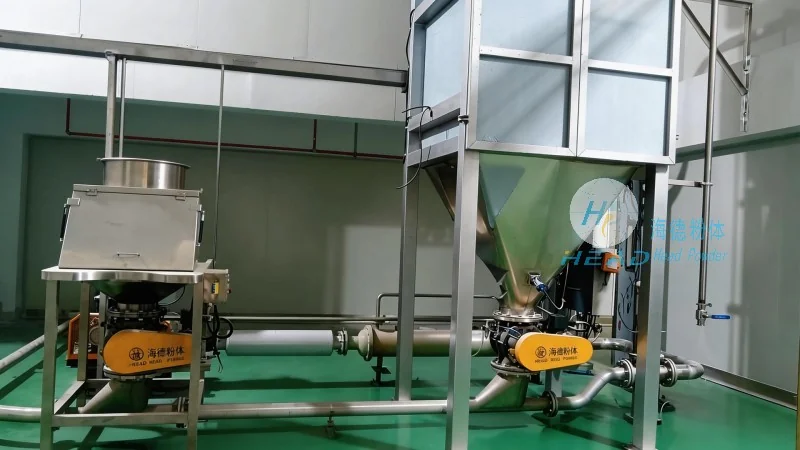
Before exploring specific conveying methods, it is essential to grasp the unique characteristics of PTA powder. This material is a fine, free-flowing powder with distinct density and particle size properties. These attributes influence its behavior during transportation, making the selection of an appropriate conveying system paramount. Critical factors include material flowability, dust control measures, and seamless integration with existing production infrastructure.
Common PTA Powder Conveying Methods
Several established techniques are widely utilized for transporting PTA powder, with the optimal choice depending on operational scale, distance requirements, and production process specifics. Primary methods include pneumatic conveying, mechanical conveying, and hybrid systems.
Pneumatic Conveying Systems
Pneumatic conveying is a prevalent technique for PTA powder transportation, particularly for short to medium transport distances. This method leverages air pressure to move the powder through a pipeline. Two main types exist: pressure systems, which use compressed air to push material forward, and vacuum systems, which employ a vacuum to pull material. For PTA powder, pressure systems are often favored due to their capacity to handle higher material loads and maintain consistent flow rates. The system typically comprises a hopper, conveyor line, and receiver, with air introduced at strategic points to ensure smooth material movement. Pneumatic conveying offers advantages such as effective dust containment, reduced material degradation, and compatibility with existing production equipment. However, it necessitates careful design to prevent material buildup and optimize air usage.
Mechanical Conveying Systems
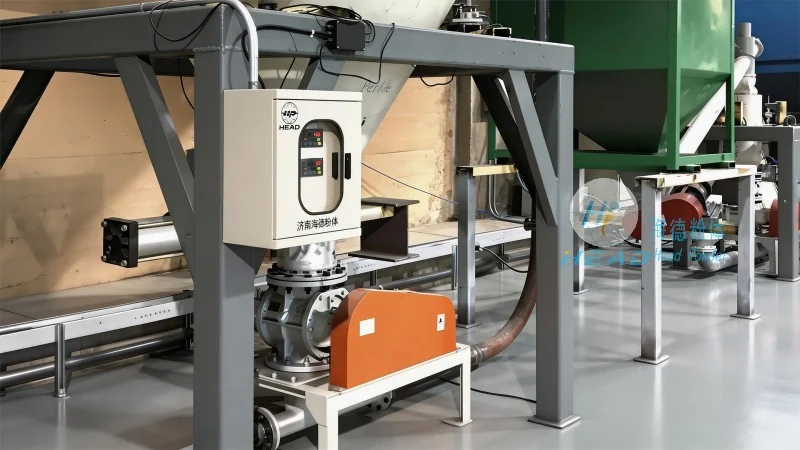
Mechanical conveying methods represent another popular option for PTA powder handling, especially for longer distances or when material elevation is required. These systems rely on mechanical components like screws, belts, or buckets to transport the powder. Screw conveyors are commonly used for horizontal or slight incline transport, while bucket elevators are suitable for vertical or steep incline applications. Mechanical conveying systems are generally more cost-effective for short to medium distances and can accommodate larger material volumes. They are also less susceptible to air quality issues compared to pneumatic systems. Nevertheless, they may demand more maintenance and offer less flexibility in system adjustments. The decision between mechanical and pneumatic systems typically hinges on operational needs and the material's inherent properties.
Hybrid Conveying Systems
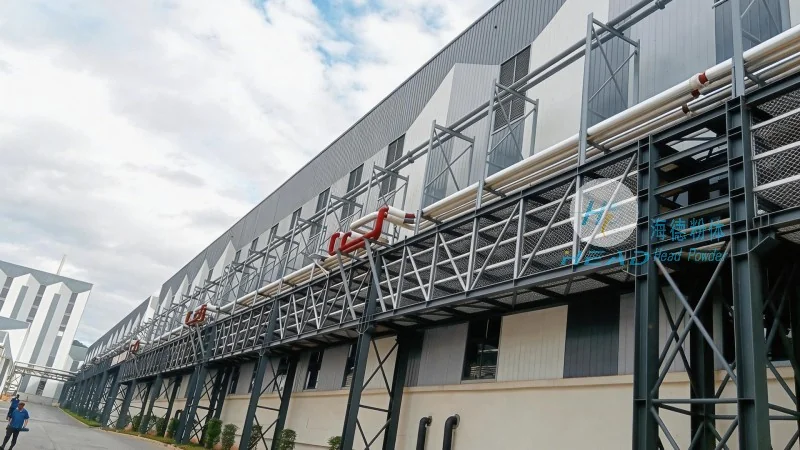
Hybrid systems combine elements of both pneumatic and mechanical conveying to capitalize on the benefits of each approach. For instance, a system might employ a mechanical conveyor for short horizontal transport and switch to pneumatic conveying for vertical or longer horizontal segments. This design provides greater flexibility and efficiency in complex production environments. Hybrid systems are particularly advantageous when dealing with variable material flow rates or when integrating with existing infrastructure. They can also help minimize energy consumption and enhance overall system performance. The design of hybrid systems requires meticulous consideration of material properties and operational constraints.
Key Considerations for PTA Powder Conveying
When selecting a PTA powder conveying method, several factors must be evaluated to ensure optimal performance and reliability. First, the material's flowability and density are critical. PTA powder's free-flowing nature makes it suitable for many systems, though variations in moisture or particle size can impact performance. Second, dust control is a major concern. PTA powder is fine and can generate significant dust, posing health, safety, and environmental risks. Proper sealing and filtration are essential system components. Third, system integration with the production line is vital. The conveying system must be compatible with existing equipment and capable of handling required flow rates without disrupting the overall process. Finally, maintenance and operational costs should be considered. A well-designed system should minimize downtime and reduce long-term expenses.
Conclusion
Efficient PTA powder conveying is a vital component of modern production processes, ensuring raw materials are transported safely and reliably to subsequent processing stages. By understanding the available methods and considering operational specifics, companies can select the most appropriate conveying system. Shandong HeadPowder Engineering Co., Ltd. specializes in providing tailored solutions for PTA powder handling, combining expertise in material science, engineering design, and system integration to meet each client's unique needs. Whether through pneumatic, mechanical, or hybrid systems, the goal is to achieve consistent, high-quality powder transport that supports the overall success of the production line.

 Shandong Headpowder Engineering Co., Ltd.
 156-6277-7102(Quản lý Trương)
  0531-83386006
  Thành phố Tế Nam, Tỉnh Sơn Đông, Trung Quốc
Điện thoại
WeChatTư vấn
Lên đầu