

Aluminum Hydroxide Transportation: Methods and Options
When it comes to the transportation of aluminum hydroxide, selecting the right method is crucial for ensuring efficiency, safety, and cost-effectiveness in industrial applications. Aluminum hydroxide, a widely used chemical in various industries including pharmaceuticals, cosmetics, and water treatment, requires careful handling due to its physical properties such as its fine powder form and potential for dust generation. The choice of transportation method depends on several factors, including the scale of operation, the distance to be covered, and the specific requirements of the end-use application. In this article, we explore the primary methods for transporting aluminum hydroxide, providing insights into each approach and its suitability for different scenarios.
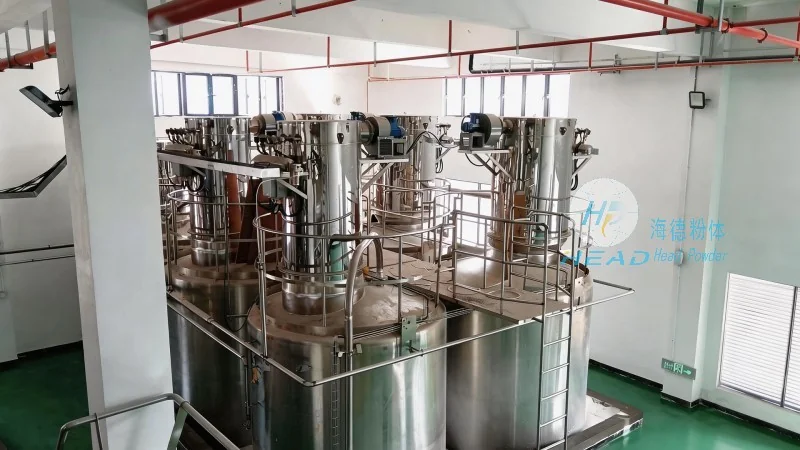
Company Profile: Shandong HeadPowder Engineering Co., Ltd.
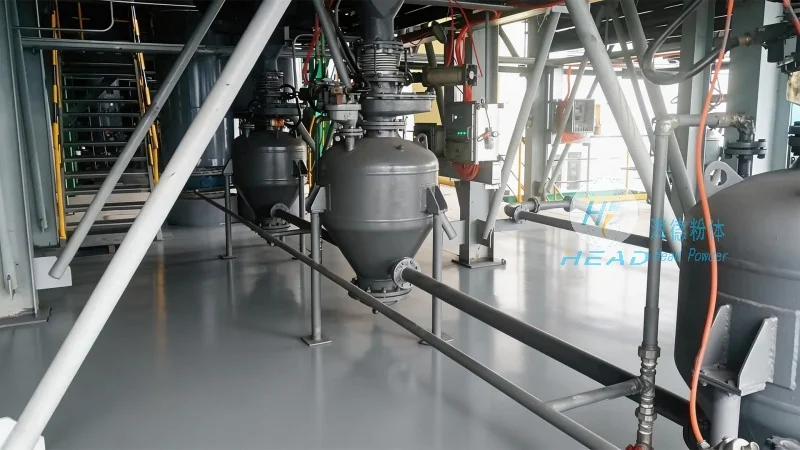
At Shandong HeadPowder Engineering Co., Ltd., we specialize in the production and supply of high-quality aluminum hydroxide products. With our headquarters located in Shandong, China, our company, commonly known as HeadPowder, is committed to delivering reliable and efficient solutions for aluminum hydroxide transportation and processing. Our expertise in the field ensures that we understand the unique challenges associated with handling this material, allowing us to offer tailored recommendations to our clients.
Key Considerations for Aluminum Hydroxide Transportation
Before delving into specific transportation methods, it is essential to consider several key factors that influence the choice of approach. The first consideration is the quantity of aluminum hydroxide being transported. For small-scale applications, such as laboratory or research use, smaller containers like bags or drums may be sufficient. However, for industrial-scale operations, bulk transportation methods are more practical. Another critical factor is the distance involved. Short-distance transport within a facility or nearby locations may utilize internal conveyors or trucks, while long-distance transport may require specialized rail or shipping methods. Environmental regulations also play a significant role, as aluminum hydroxide is often handled in compliance with safety and environmental standards. Finally, the end-use application dictates the required purity and consistency of the material, which may impact the choice of transportation equipment and storage conditions.
Pipeline and Bulk Handling Systems
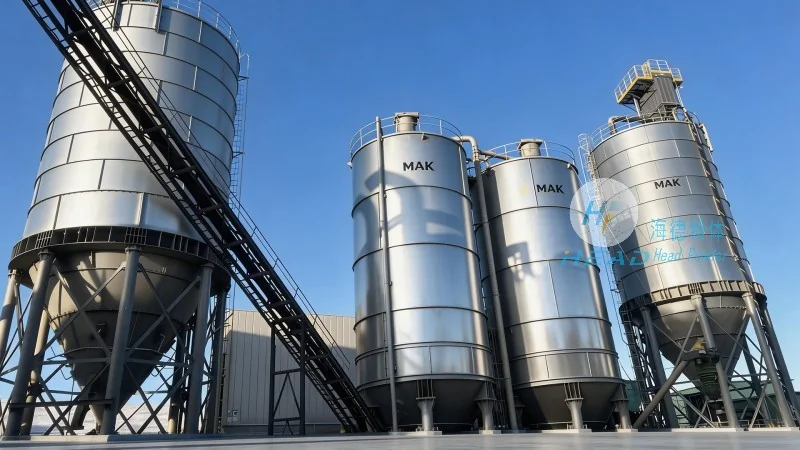
For large-scale industrial operations, pipeline and bulk handling systems are among the most common methods for transporting aluminum hydroxide. These systems are designed to move the material in bulk, minimizing the need for manual handling and reducing the risk of dust exposure. In a pipeline system, aluminum hydroxide is typically fed into a hopper and then conveyed through a network of pipes using positive displacement pumps or screw conveyors. This method is highly efficient for continuous production lines, as it allows for a steady flow of material from the production facility to the processing or packaging areas. The use of closed pipelines also helps maintain the purity of the aluminum hydroxide by preventing contamination from external sources. At HeadPowder, we have extensive experience in designing and implementing such systems, ensuring that our clients receive customized solutions that meet their specific operational needs. For example, our bulk handling systems can be tailored to handle varying particle sizes and moisture content, ensuring optimal performance and minimal material loss.