

What Methods Are Available for Wood Fiber Conveying?
Wood fiber conveying is a critical process in various industrial applications, particularly in the pulp and paper industry, as well as in biomass processing and construction material manufacturing. The efficient and reliable transport of wood fibers from one point to another is essential for maintaining production efficiency and ensuring product quality. There are several methods and technologies available for wood fiber conveying, each with its own advantages and specific applications. This article explores the primary methods used for wood fiber conveying, highlighting the key considerations and technologies employed by industry leaders such as Shandong HeadPowder Engineering Co., Ltd.
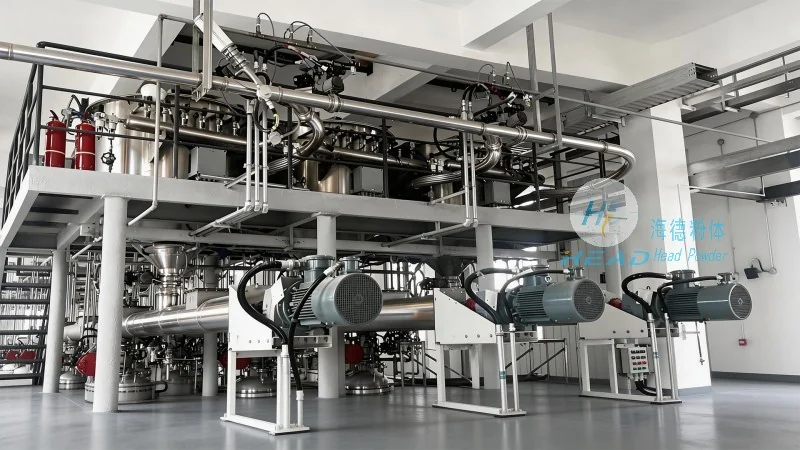
Understanding the Core Challenges in Wood Fiber Conveying
Before delving into the specific methods, it is important to understand the challenges associated with wood fiber conveying. Wood fibers are typically lightweight, irregularly shaped, and have a tendency to cling to surfaces or form agglomerates, which can impede the flow and cause blockages in conventional conveying systems. Additionally, the abrasive nature of wood fibers can lead to wear and tear on equipment, requiring durable materials and specialized components. These challenges necessitate the use of specialized conveying equipment and techniques to ensure smooth and efficient operation.
Common Conveying Methods for Wood Fiber
Several conveying methods are commonly employed in industrial settings to handle wood fibers. The choice of method depends on factors such as the type and size of the fibers, the distance to be conveyed, the required flow rate, and the environmental conditions. The primary methods include mechanical conveying systems, pneumatic conveying systems, and gravity-based systems.
Mechanical Conveying Systems
Mechanical conveying systems are among the most widely used methods for wood fiber transport. These systems utilize mechanical components such as belts, chains, and screws to move the fibers. One of the most common types is the belt conveyor, which consists of a continuous belt looped over pulleys and supported by rollers. The belt is driven by a motor, and the wood fibers are placed on the belt and carried to the desired location. Belt conveyors are particularly effective for long-distance horizontal or slightly inclined transport and can handle large volumes of material. Another mechanical method is the screw conveyor, which uses a rotating screw (auger) to push the fibers forward. Screw conveyors are ideal for vertical or inclined transport and can handle a wide range of fiber sizes and moisture content. They are also known for their compact design and ability to handle abrasive materials without significant wear. Shandong HeadPowder Engineering Co., Ltd. specializes in designing and manufacturing high-quality mechanical conveying equipment tailored to the specific needs of wood fiber processing industries. Their expertise in material handling ensures that clients receive reliable and efficient solutions that minimize downtime and maximize productivity.
Pneumatic Conveying Systems
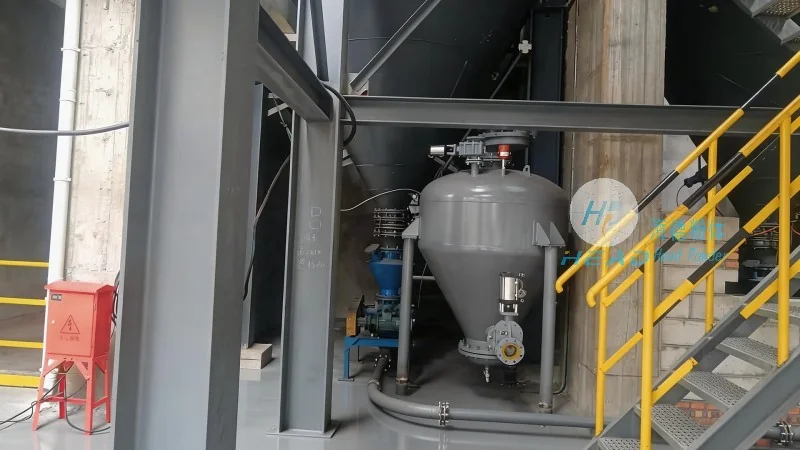
Pneumatic conveying systems use air or other gases to transport wood fibers through a pipeline. This method is particularly suitable for handling fine or lightweight fibers that are difficult to move with mechanical systems. There are two main types of pneumatic conveying: pressure and vacuum. In pressure systems, air is forced into a hopper containing the wood fibers, creating a positive pressure that pushes the material through the pipeline. Vacuum systems, on the other hand, use a vacuum pump to create a negative pressure that draws the fibers into the pipeline. Pneumatic conveying offers several advantages, including the ability to transport materials over long distances, the flexibility to route the pipeline around obstacles, and the capability to handle materials that are sensitive to mechanical contact. However, it requires careful control of air pressure and flow rates to prevent material degradation or blockages. Shandong HeadPowder Engineering Co., Ltd. has extensive experience in designing pneumatic conveying systems that are optimized for wood fiber applications, ensuring efficient and reliable transport while minimizing energy consumption.
Gravity-Based Conveying Systems
Gravity-based conveying systems rely on the natural force of gravity to move wood fibers from a higher to a lower elevation. This method is typically used for short-distance transport and is often combined with other conveying systems to form a complete material handling solution. One common type is the chute or slide, which uses a sloped surface to allow the fibers to flow under the influence of gravity. Chutes are simple and cost-effective for transporting materials over short distances and are often used in conjunction with other equipment, such as hoppers or storage bins. Another type is the inclined conveyor, which uses a belt or chain to move the fibers along an inclined plane. While gravity-based systems are less common for wood fiber transport compared to mechanical or pneumatic systems, they can be effective in specific applications where the material is already at a higher elevation and needs to be moved to a lower point. Shandong HeadPowder Engineering Co., Ltd. also provides gravity-based conveying solutions, particularly for applications where minimal energy input is required and the distance to be covered is short.
Key Considerations for Selecting a Conveying Method
When selecting a conveying method for wood fiber applications, several factors must be considered to ensure optimal performance and efficiency. The first consideration is the physical properties of the wood fibers, including their size, shape, moisture content, and abrasiveness. These properties will determine the type of equipment that is best suited for the task. For example, fine or lightweight fibers may require pneumatic conveying, while larger or heavier fibers may be better suited for mechanical systems. The second factor is the distance and layout of the conveying system. Long-distance transport may necessitate the use of multiple stages or a combination of methods, such as a mechanical conveyor for the initial transport and a pneumatic system for the final delivery. The third consideration is the required flow rate and capacity. The conveying system must be capable of handling the desired volume of material without causing bottlenecks or excessive wear on the equipment. Additionally, the environmental conditions, such as temperature and humidity, can impact the choice of materials and components used in the conveying system. Shandong HeadPowder Engineering Co., Ltd. offers comprehensive consultation services to help clients evaluate these factors and select the most appropriate conveying method for their specific needs, ensuring that the chosen solution is both effective and cost-efficient.
Advantages and Limitations of Each Method
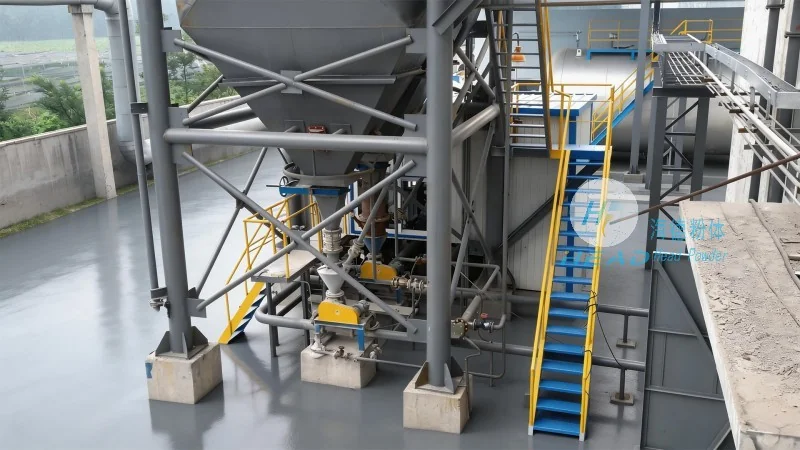
Each conveying method for wood fiber has its own set of advantages and limitations. Mechanical systems, such as belt and screw conveyors, are generally reliable and cost-effective for handling large volumes of material over long distances. They are also relatively simple to install and maintain. However, they may not be suitable for fine or lightweight fibers and can cause wear and tear on equipment due to the abrasive nature of wood fibers. Pneumatic systems offer flexibility and the ability to transport materials over long distances without the need for physical contact, which is beneficial for sensitive fibers. They can also handle a wide range of particle sizes and moisture content. However, pneumatic systems require more energy to operate and may be more prone to blockages if not properly maintained. Gravity-based systems are simple and energy-efficient for short-distance transport but are limited in their ability to handle large volumes or long distances. They are also less suitable for transporting materials that are prone to sticking or forming agglomerates. Shandong HeadPowder Engineering Co., Ltd. understands these trade-offs and provides customized solutions that balance the advantages and limitations of each method to meet the specific requirements of their clients.
Conclusion
Wood fiber conveying is a complex process that requires careful consideration of various factors to ensure efficient and reliable transport. The choice of conveying method depends on the specific characteristics of the wood fibers, the distance to be covered, and the operational requirements of the facility. Mechanical, pneumatic, and gravity-based systems each offer unique advantages and are suitable for different applications. Industry leaders such as Shandong HeadPowder Engineering Co., Ltd. play a crucial role in providing specialized equipment and expertise to help clients select and implement the most appropriate conveying method for their wood fiber processing needs. By leveraging their experience and technical knowledge, clients can optimize their material handling processes, reduce downtime, and improve overall productivity in their wood fiber operations.