

Comparison of Common White Ash Conveying Methods
White ash, a key material in various industrial applications, requires efficient and reliable conveying systems to ensure smooth operation across production lines. For companies like Shandong HeadPowder Engineering Co., Ltd., based in Shandong, China, selecting the right conveying method is crucial for optimizing performance, reducing downtime, and maintaining product quality. This article provides a detailed comparison of common white ash conveying methods, focusing on their operational principles, advantages, and typical applications.
Understanding the Core Requirements for White Ash Conveying
Before diving into specific conveying methods, it's essential to understand the key factors that influence the choice of system for white ash. White ash, often with a fine particle size and potentially abrasive properties, demands equipment that can handle dust, prevent clogging, and maintain consistent flow rates. Additionally, the scale of operation—whether for small-scale batch processing or large-scale continuous production—affects the selection of conveying technology. Environmental considerations, such as dust control and noise reduction, are also critical in modern industrial settings. By addressing these requirements, companies can make informed decisions that align with their operational goals and regulatory standards.
1. Pneumatic Conveying: The Air-Driven Solution

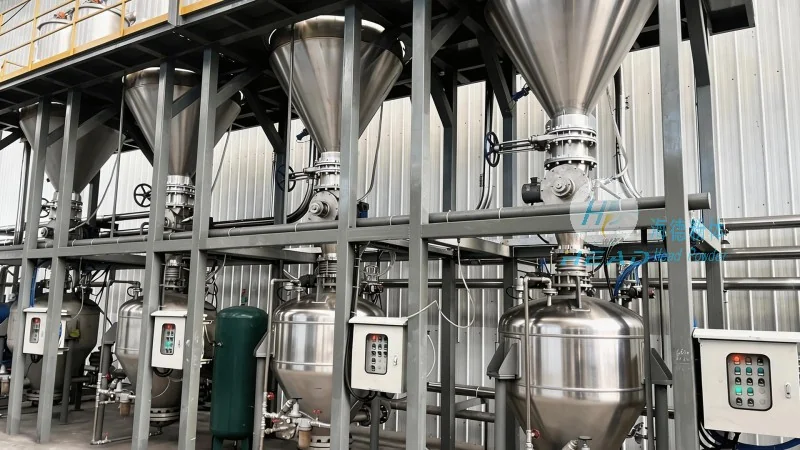
Pneumatic conveying, or air-assisted transport, is a widely used method for white ash due to its ability to handle fine powders and abrasive materials. This system operates by using compressed air to move material through a pipeline. There are two primary types: pressure and vacuum systems. Pressure systems push material from a source to a destination using high-pressure air, while vacuum systems draw material into a collection point using low-pressure air. For white ash, pressure systems are often preferred as they provide better control over flow rates and can handle longer distances. The main advantages of pneumatic conveying include its ability to transport material in a closed system, minimizing dust emissions and environmental impact. It also allows for easy integration with other processing equipment, such as silos and storage tanks. However, this method has limitations, including higher energy consumption compared to mechanical systems and potential issues with material degradation if the air velocity is too high. Proper design and maintenance are essential to ensure efficient operation and prevent system failures.
2. Screw Conveyors: The Mechanical Powerhouse
Screw conveyors, also known as auger conveyors, are a mechanical method for transporting white ash through a rotating screw within a tube. This system relies on the rotation of the screw to move material forward. Screw conveyors are particularly effective for handling bulk materials with moderate to high flow rates and are commonly used in industries where a continuous, low-speed transport is required. They are simple in design, requiring minimal maintenance, and can be installed in a variety of orientations—horizontal, vertical, or inclined. The main advantage of screw conveyors is their ability to handle abrasive materials without significant wear, as the screw and tube are typically made of durable materials like stainless steel or high-grade steel. This makes them suitable for white ash, which can be abrasive and cause wear on other equipment. However, screw conveyors have limitations, such as the risk of clogging with wet or sticky materials, and the need for regular cleaning to prevent material buildup. Additionally, they are less effective for long-distance transport compared to pneumatic systems, as the material may experience increased friction and wear over time.
3. Belt Conveyors: The Versatile Bulk Transport Solution
Belt conveyors are a common choice for transporting white ash in bulk, especially in applications requiring long-distance transport or high material volumes. This system uses a continuous belt that moves material from a loading point to a discharge point. The belt is typically made of durable materials like rubber or synthetic fabrics, designed to withstand the weight and abrasiveness of white ash. Belt conveyors are highly efficient for horizontal or slightly inclined transport and can handle large quantities of material with minimal labor. They are also relatively low-cost to install and maintain compared to other systems. The main advantage of belt conveyors is their ability to transport material over long distances with consistent speed and flow rate. This makes them ideal for large-scale production lines where white ash needs to be moved from storage to processing equipment. However, belt conveyors have limitations, including the risk of material spillage and the need for regular belt tensioning and replacement. Additionally, they may not be suitable for fine powders that can easily fall through the belt or cause dust issues if not properly sealed.
4. Comparison and Selection Criteria
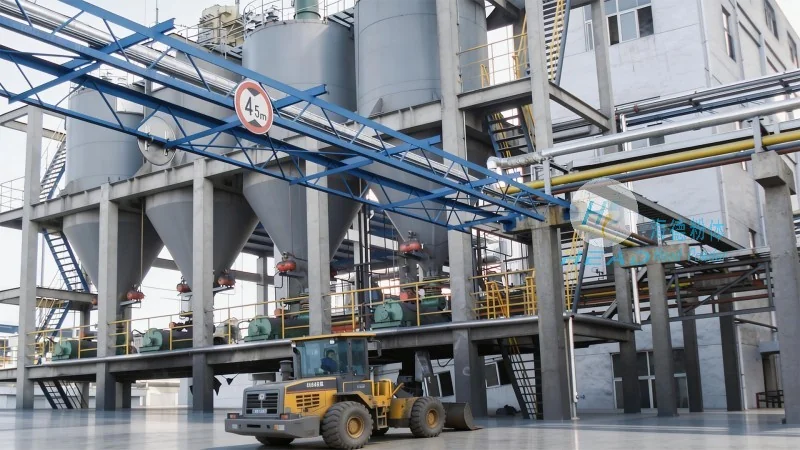
When selecting a white ash conveying method, companies must consider several factors to ensure the best fit for their operations. The first consideration is the material characteristics of the white ash, including particle size, moisture content, and abrasiveness. Fine, dry white ash may be better suited for pneumatic conveying, while coarser or more abrasive materials might benefit from screw or belt conveyors. The second factor is the operational scale, such as the required flow rate and distance of transport. For short distances and moderate flow rates, screw conveyors may be sufficient, while pneumatic or belt systems are preferred for longer distances or higher volumes. The third factor is environmental and safety considerations, including dust control and noise reduction. Pneumatic systems excel in this area due to their closed design, while belt and screw conveyors may require additional dust suppression measures. Finally, the cost of installation, operation, and maintenance must be evaluated. While pneumatic systems may have higher initial costs and energy consumption, they offer long-term benefits in terms of efficiency and environmental compliance. Screw and belt conveyors, on the other hand, may have lower initial costs but require more frequent maintenance and may have higher wear and tear costs over time.
Conclusion: Choosing the Right Conveying Method for White Ash
For companies like Shandong HeadPowder Engineering Co., Ltd., based in Shandong, China, selecting the appropriate white ash conveying method is a critical decision that impacts overall operational efficiency and product quality. By understanding the operational requirements, material characteristics, and cost implications of each system, businesses can make informed choices that align with their specific needs. Pneumatic conveying offers flexibility and dust control, screw conveyors provide durability and simplicity, and belt conveyors deliver efficiency for bulk transport. Ultimately, the best choice depends on the unique circumstances of each operation, including the scale of production, the properties of the white ash, and the environmental and safety standards that must be met. With the right conveying system in place, companies can ensure smooth material handling, reduce downtime, and maintain high standards of performance and quality in their industrial processes.