

Comparison of Common Condiment Conveying Methods
When it comes to efficiently handling and transporting condiments in the food processing industry, selecting the right conveying method is crucial for maintaining product quality, ensuring operational efficiency, and minimizing downtime. This article provides a detailed comparison of common condiment conveying methods, highlighting their advantages, limitations, and ideal applications. The information is presented by Shandong HeadPowder Engineering Co., Ltd., a leading manufacturer of specialized conveying equipment based in China.
1. Pneumatic Conveying Systems
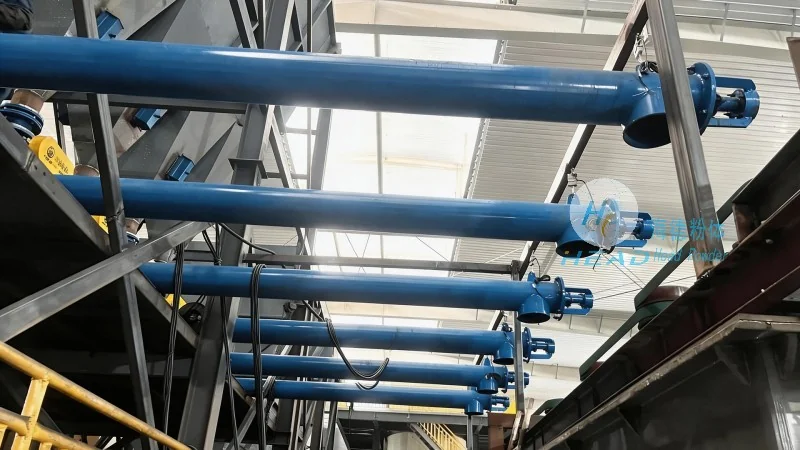
Pneumatic conveying systems use air or other gases to transport powders and granules, including various condiments like spices, sauces, and seasonings. These systems are known for their ability to handle fine powders and provide a dust-free environment. There are two main types: pressure and vacuum systems. Pressure systems push material through a pipeline using compressed air, while vacuum systems draw material into the system. The choice between them depends on the material's properties, such as density and moisture content. For example, HeadPowder's pneumatic conveying solutions are designed to handle delicate condiments without causing degradation, ensuring that the flavor and texture are preserved throughout the process.
2. Screw Conveyors
Screw conveyors, also known as auger conveyors, are widely used for transporting bulk materials, including liquid or semi-liquid condiments. They consist of a rotating screw inside a trough, which moves material along the length of the conveyor. Screw conveyors are simple in design, low-cost, and can operate in both horizontal and inclined positions. However, they may not be suitable for very fine powders or materials that are prone to caking. HeadPowder offers customized screw conveyor solutions that can handle a wide range of condiments, from thick sauces to dry seasonings, with minimal maintenance requirements.
3. Belt Conveyors
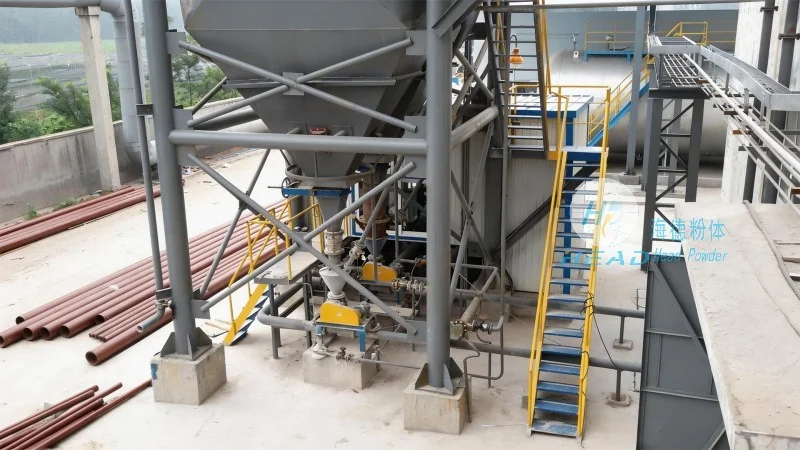
Belt conveyors use a continuous belt to transport condiments, making them ideal for moving bulk materials over long distances. They are commonly used in food processing plants for transporting powders, granules, and even liquid-filled containers. Belt conveyors are capable of handling high volumes and can be integrated with other equipment, such as hoppers and processing units. One of the key advantages is their ability to operate in a sanitary environment, which is essential for food products. HeadPowder's belt conveyor systems are designed with food-grade materials and easy-to-clean surfaces, ensuring compliance with industry standards and maintaining product hygiene.
4. Pumping Systems
Pumping systems are essential for transporting liquid condiments, such as sauces, syrups, and dressings. There are several types of pumps available, including centrifugal, positive displacement, and diaphragm pumps. Centrifugal pumps are suitable for high-volume, low-viscosity liquids, while positive displacement pumps are better for high-viscosity or shear-sensitive products. The choice of pump depends on the condiment's viscosity, temperature, and the required flow rate. HeadPowder's pumping solutions are engineered to handle a variety of liquid condiments, ensuring consistent flow and preventing product degradation due to excessive shear or heat.
5. Gravity Conveying
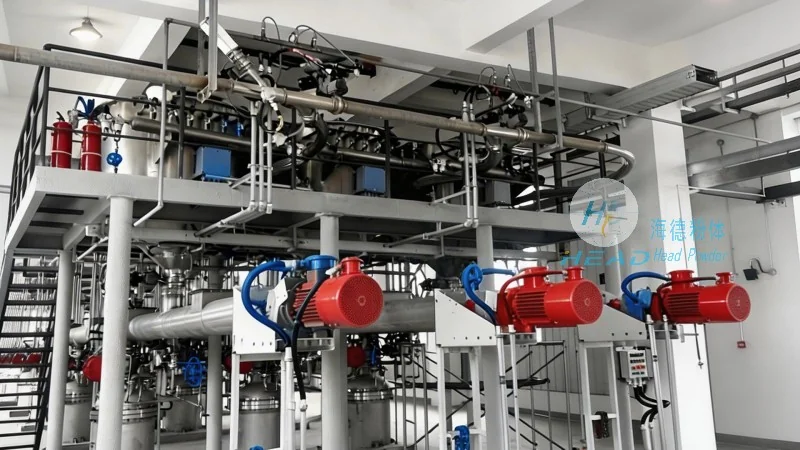
Gravity conveying relies on the natural force of gravity to move condiments from one level to another. This method is simple and cost-effective, often used for transporting bulk materials in a vertical or inclined direction. However, it is limited by the need for a suitable slope and may not be suitable for fine powders or materials that require precise control. HeadPowder's gravity conveyor systems are designed to optimize the flow of condiments, ensuring that the material moves smoothly and without segregation, which can affect the final product quality.
6. Comparing the Methods
Each conveying method has its strengths and weaknesses, and the best choice depends on the specific requirements of the condiment being handled. Pneumatic systems excel in handling fine powders and providing a dust-free environment, while screw conveyors are ideal for bulk materials and low-cost applications. Belt conveyors are suitable for high-volume, sanitary operations, and pumping systems are essential for liquid condiments. Gravity conveying offers a simple, cost-effective solution but has limitations in terms of control and material type. Shandong HeadPowder Engineering Co., Ltd. provides tailored conveying solutions that integrate multiple methods to meet the unique needs of each food processing facility, ensuring optimal performance and product quality.