

Comparison of Common Wool Conveying Methods
Wool processing is a critical stage in the textile industry, where efficient material handling directly impacts production efficiency and product quality. Among the various methods used for wool conveyance, several approaches have become standard in modern manufacturing. This article provides a detailed comparison of common wool conveying methods, highlighting their applications, advantages, and limitations. The information is presented by Shandong HeadPowder Engineering Co., Ltd., a leading provider of industrial conveying solutions.
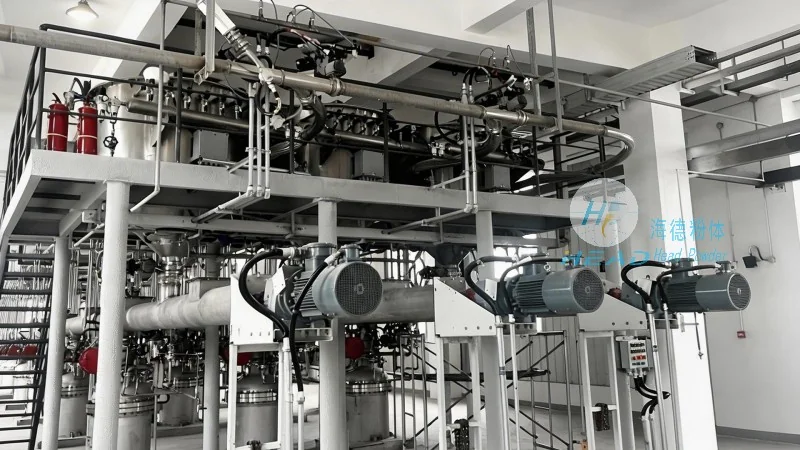
Shandong HeadPowder Engineering Co., Ltd., commonly known as HeadPowder, is a professional manufacturer based in China. With a focus on innovative engineering solutions, the company specializes in designing and manufacturing equipment for diverse material handling needs, including wool processing. HeadPowder's expertise lies in creating customized conveying systems that meet the specific requirements of textile manufacturers, ensuring optimal performance and reliability.
Gravity Conveying Systems
Gravity conveying systems utilize the natural force of gravity to move wool from one point to another. This method typically involves inclined chutes or hoppers that allow wool to flow downward under the influence of gravity. The primary advantage of gravity conveyors is their simplicity and low energy consumption, as they do not require external power sources. However, their effectiveness is highly dependent on the slope of the chute and the characteristics of the wool, such as moisture content and bulk density. In applications where the distance between processing stages is short and the material flow is consistent, gravity conveyors are an economical choice. For instance, in a wool carding or combing line, gravity chutes can efficiently transport raw wool from a storage bin to the feeding mechanism of the carding machine.

Mechanical Conveying Systems
Mechanical conveying systems employ mechanical components to transport wool, offering greater control and flexibility compared to gravity systems. The most common types include belt conveyors and screw conveyors. Belt conveyors use a continuous belt looped over rollers to move wool horizontally or at a slight incline. They are suitable for transporting large volumes of wool over moderate distances and can handle various material conditions, including wet or dry wool. Screw conveyors, on the other hand, use a rotating screw to push wool through a tube or trough. This method is ideal for vertical or inclined transport and can handle sticky or fibrous materials without causing damage. Both belt and screw conveyors require regular maintenance to ensure smooth operation and prevent wear and tear. They are often preferred in industrial settings where precise control over material flow is necessary, such as in wool cleaning or scouring processes.
Pneumatic Conveying Systems
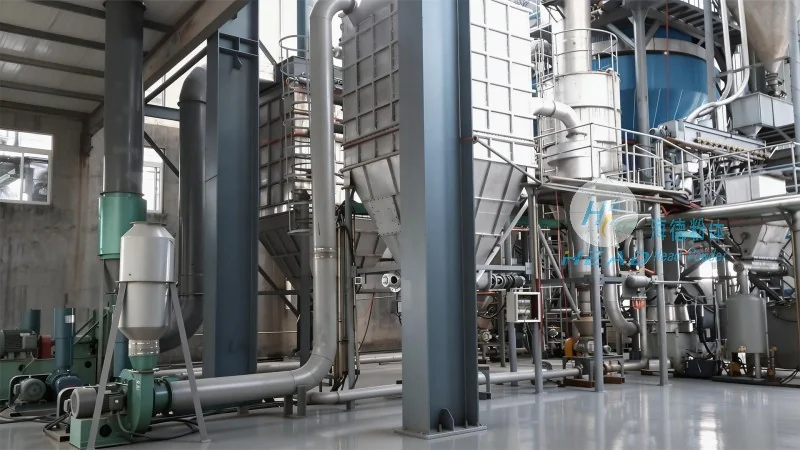
Pneumatic conveying systems use air pressure to transport wool through a pipeline. This method is particularly effective for handling fine or dusty wool, as it minimizes material loss and contamination. There are two main types of pneumatic conveyors: positive displacement and pressure-assisted. Positive displacement systems use a pump to create a vacuum or pressure, drawing wool into the pipeline. Pressure-assisted systems use compressed air to push wool through the line. Pneumatic conveyors offer high flexibility, as they can transport wool over long distances and through complex layouts, including vertical lifts and horizontal turns. However, they require higher energy input compared to gravity or mechanical systems and may be less efficient for very large volumes. In applications like wool blending or quality control, pneumatic conveyors can efficiently transport samples or small batches of wool to testing stations.
When selecting a wool conveying method, manufacturers must consider several factors, including the volume of wool to be transported, the distance between processing stages, the physical characteristics of the wool (such as moisture and fiber length), and the available budget. Gravity systems are cost-effective for short distances and low volumes, while mechanical systems provide better control and are suitable for medium to large volumes. Pneumatic systems offer the highest flexibility and are ideal for long-distance or complex layouts, though they may have higher operational costs. Shandong HeadPowder Engineering Co., Ltd. offers customized conveying solutions tailored to these factors, ensuring that textile manufacturers can choose the most appropriate method for their specific needs. By understanding the strengths and limitations of each conveying method, manufacturers can optimize their wool processing lines, improve efficiency, and enhance overall productivity.