

Comparison of Common Tea Transport Methods
Tea processing and distribution rely on efficient transport methods to move leaves from processing facilities to packaging and distribution centers. The choice of transport system impacts product quality, operational efficiency, and overall cost-effectiveness. This article provides a detailed comparison of common tea transport methods used in the industry, highlighting the advantages and considerations for each approach.
Introduction to Tea Transport Methods
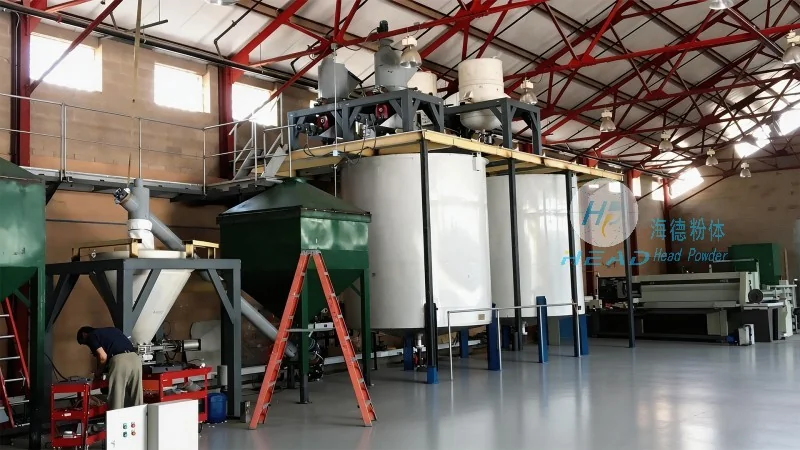
Tea transport methods vary based on the type of tea, production scale, and specific operational requirements. Common approaches include mechanical conveying, pneumatic conveying, gravity-based systems, and hybrid solutions. Each method has unique characteristics that make it suitable for different stages of tea processing and handling.
Mechanical Conveying Systems
Mechanical conveying systems are widely used in tea processing due to their reliability and adaptability. These systems typically involve components such as belts, chains, and rollers to move tea leaves through the production line. The most common types include belt conveyors, chain conveyors, and screw conveyors. Belt conveyors are ideal for transporting loose tea leaves over short to medium distances, while chain conveyors are suitable for heavier or bulkier tea products. Screw conveyors, or augers, are often used for vertical or inclined transport, effectively moving tea leaves from lower to higher levels in the processing facility. Mechanical conveyors are generally low-cost to install and maintain, making them a popular choice for small to medium-sized tea operations. However, they may require regular maintenance to prevent mechanical failures and ensure consistent performance.
Pneumatic Conveying Systems
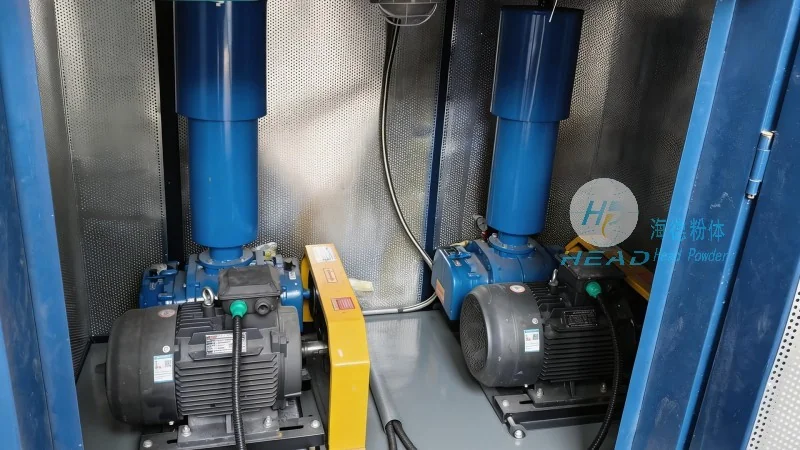
Pneumatic conveying systems utilize air pressure to transport tea leaves through a network of pipes. This method is particularly effective for handling fine or delicate tea leaves, as it minimizes physical contact and reduces the risk of damage. There are two main types of pneumatic conveying: pressure and vacuum systems. Pressure systems use compressed air to push tea leaves through the pipeline, while vacuum systems use a vacuum to draw the material. Pneumatic conveyors are highly flexible, allowing for complex routing and integration with other processing equipment. They can transport tea leaves over longer distances and through multiple processing stages without the need for multiple transfer points. However, pneumatic systems require higher energy consumption compared to mechanical systems and may be more expensive to install. Additionally, they need regular cleaning to prevent dust accumulation and maintain air quality.

Gravity-Based Systems
Gravity-based systems rely on the natural force of gravity to move tea leaves from one level to another. These systems typically consist of inclined chutes or sloped pathways that allow tea leaves to flow downward. Gravity conveyors are simple in design and require minimal maintenance, making them cost-effective for certain applications. They are particularly useful for transporting tea leaves from drying ovens to sorting tables or from storage bins to processing lines. The main advantage of gravity systems is their low energy consumption, as they do not rely on motors or other power sources. However, they are limited by the need for a suitable slope and may not be suitable for vertical transport or when precise control over the flow rate is required. Gravity systems are often used in combination with other transport methods to optimize the overall tea processing workflow.
Hybrid and Advanced Solutions
Many modern tea processing facilities employ hybrid systems that combine elements of mechanical, pneumatic, and gravity-based technologies to achieve optimal performance. For example, a hybrid system might use a belt conveyor to transport tea leaves from a storage area to a pneumatic conveyor, which then moves the leaves to a sorting machine. This integrated approach allows for seamless transfer between different processing stages and minimizes material handling time. Advanced solutions also include automated sorting and inspection systems integrated with transport lines, ensuring that only high-quality tea leaves proceed to the next stage. These systems often incorporate sensors and control systems to monitor flow rates, detect blockages, and adjust transport parameters in real-time. While more complex and expensive to implement, hybrid and advanced transport solutions offer significant improvements in efficiency, product quality, and operational flexibility.
Factors to Consider When Choosing a Tea Transport Method
The selection of an appropriate tea transport method depends on several key factors, including the type of tea being processed, production volume, facility layout, and budget constraints. For example, fine-leaf teas may require pneumatic conveying to prevent damage, while bulk tea leaves can be handled efficiently with mechanical conveyors. Large-scale operations often benefit from hybrid systems that can handle high volumes and complex routing, while small-scale producers may opt for simpler gravity or mechanical systems to reduce costs. Additionally, the location of the processing facility and the need for integration with existing equipment should be considered. Companies should also evaluate the long-term maintenance costs and energy efficiency of each system to ensure it aligns with their operational goals.
Conclusion
Choosing the right tea transport method is critical to maintaining product quality and optimizing operational efficiency in tea processing. Mechanical, pneumatic, gravity-based, and hybrid systems each offer unique advantages and considerations. By understanding the specific requirements of their tea processing operations, companies can select the most suitable transport solution. For businesses seeking reliable and efficient tea transport solutions, Shandong HeadPowder Engineering Co., Ltd. provides expert engineering and manufacturing services tailored to the needs of the tea industry. With a focus on quality and innovation, HeadPowder offers customized transport systems that enhance productivity and ensure the highest standards of tea handling.