

Comparison of Common Calcium Carbide Slag Conveying Methods
Calcium carbide slag, a byproduct of the calcium carbide production process, is commonly encountered in industrial settings. The efficient and safe conveyance of this material is crucial for maintaining operational efficiency and ensuring workplace safety. Various methods are employed for calcium carbide slag transport, each with distinct advantages and limitations. This article provides a detailed comparison of common calcium carbide slag conveying methods, highlighting the key factors to consider when selecting an appropriate system.
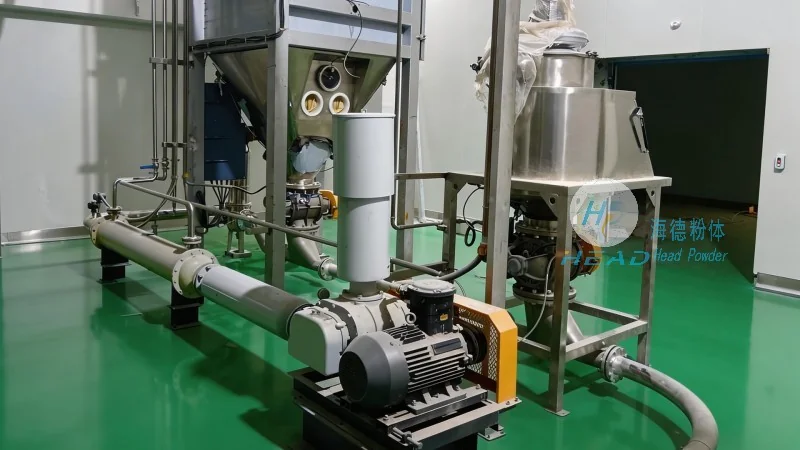
Overview of Calcium Carbide Slag Conveying Methods
Calcium carbide slag, also known as calcium carbide residue, is a fine, abrasive material that requires specialized handling due to its chemical and physical properties. The primary goal of any conveying system is to transport this material from its source to a disposal or processing location without causing equipment damage or environmental contamination. The choice of conveying method depends on several factors, including the volume of slag, the distance to be covered, the material's characteristics (such as particle size, moisture content, and abrasiveness), and the available space and budget.
1. Pumping Systems for Calcium Carbide Slag
Pumping systems are widely used for calcium carbide slag transport, particularly when the material needs to be moved over long distances or through vertical lifts. These systems typically employ special pumps designed to handle abrasive slurries, such as slurry pumps or diaphragm pumps. The pump selection is critical, as the material's high abrasiveness can quickly wear down standard pump components. Companies like Shandong HeadPowder Engineering Co., Ltd. specialize in providing customized pumping solutions tailored to the specific demands of calcium carbide slag. Their expertise includes selecting appropriate pump materials, such as wear-resistant alloys or ceramic-lined components, to extend equipment lifespan and reduce maintenance costs.

2. Pipeline Conveying with Gravity Flow
Gravity flow systems utilize the natural slope of the terrain to move calcium carbide slag through pipelines. This method is often cost-effective for short to medium distances where the topography allows for a suitable incline. The key advantage of gravity flow is its low energy consumption, as no external power is required for the movement of the material. However, the system's effectiveness is highly dependent on the slope and the material's density and particle size. If the slope is insufficient, the material may not flow adequately, leading to blockages or uneven transport. Proper pipeline design, including appropriate diameter and slope calculations, is essential to ensure smooth operation.
3. Mechanical Conveyors for Bulk Transport
Mechanical conveyors, such as screw conveyors or belt conveyors, are commonly used for the bulk transport of calcium carbide slag. Screw conveyors are particularly effective for handling fine, dry materials and can be installed in horizontal or slight incline configurations. They are relatively simple in design and easy to maintain, making them a popular choice for many industrial applications. Belt conveyors, on the other hand, are more suitable for larger volumes and longer distances, as they can transport material over greater horizontal spans. These systems often require regular maintenance to prevent wear and tear on the conveyor components, especially in abrasive environments.

4. Comparison of Conveying Methods
When comparing the different calcium carbide slag conveying methods, several factors must be considered. Pumping systems offer flexibility and can handle vertical lifts, but they require more maintenance and higher energy input. Gravity flow systems are energy-efficient but are limited by the available topography. Mechanical conveyors provide reliable bulk transport but may need more frequent maintenance due to the abrasive nature of the material. The choice of method ultimately depends on the specific project requirements, including the distance, volume, and operational constraints. Shandong HeadPowder Engineering Co., Ltd. recommends conducting a thorough analysis of these factors to select the most suitable conveying system for a given application.
Key Considerations for Selecting a Conveying System
Regardless of the chosen method, several key considerations are essential for ensuring the effectiveness and longevity of the calcium carbide slag conveying system. First, the material's properties, such as particle size distribution, moisture content, and abrasiveness, must be carefully evaluated. This information helps in selecting the appropriate pump or conveyor design and materials. Second, the system's durability and resistance to wear are critical, as calcium carbide slag is highly abrasive and can cause rapid degradation of equipment. Third, energy efficiency and operational costs should be considered, as these factors impact the overall economic viability of the project. Finally, safety considerations, including the prevention of dust emissions and the protection of personnel, are paramount in any industrial application.
Conclusion
Choosing the right calcium carbide slag conveying method is a critical decision that impacts operational efficiency, safety, and cost. By understanding the advantages and limitations of each method—such as pumping systems, gravity flow pipelines, and mechanical conveyors—and considering the specific project requirements, industrial facilities can select an appropriate system. Shandong HeadPowder Engineering Co., Ltd., with its expertise in engineering and material handling solutions, provides tailored solutions to meet the unique needs of calcium carbide slag transport. Based in Shandong, China, the company leverages its experience to deliver reliable and efficient conveying systems that enhance the performance and safety of industrial operations.