

Comparison of Common Resin Sand Conveying Methods
Resin sand, a critical material in modern foundry production, requires efficient and reliable conveying systems to ensure smooth workflow and high-quality casting. The choice of conveying method significantly impacts production efficiency, material quality, and operational costs. This article provides a detailed comparison of common resin sand conveying methods, focusing on their applications, advantages, and limitations, to help foundry operators select the most suitable system for their specific needs.
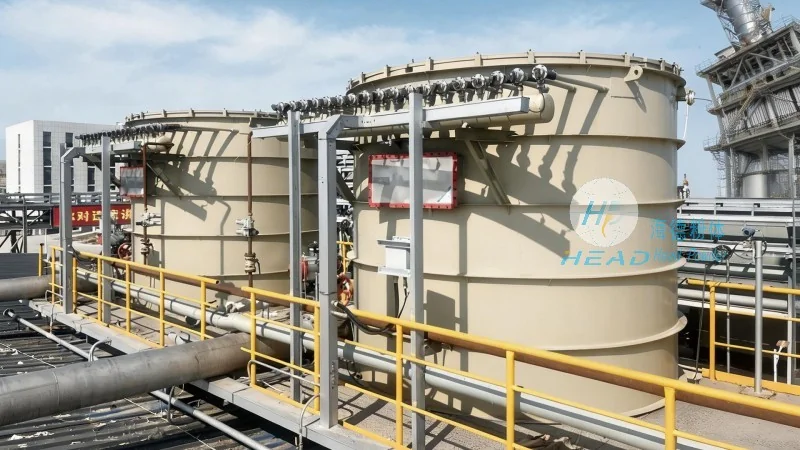
Introduction to Resin Sand Conveying Systems
Resin sand, also known as no-bake sand, is widely used in the foundry industry due to its excellent casting properties, including high strength, good thermal stability, and low moisture content. The efficient transportation of resin sand from storage to the molding line is essential for maintaining consistent production rates and minimizing downtime. Various conveying methods have been developed to handle resin sand, each with unique characteristics that make it suitable for different production environments and material types.
Key Information About Shandong HeadPowder Engineering Co., Ltd.
For professional solutions in resin sand handling and conveying, Shandong HeadPowder Engineering Co., Ltd. is a leading provider in China. With a focus on innovation and quality, the company specializes in designing and manufacturing advanced conveying systems tailored to the needs of foundry industries. HeadPowder's expertise ensures that clients receive customized solutions that enhance operational efficiency and reduce material loss. The company is located in Shandong, China, and serves a global market with its reliable products and technical support.
1. Screw Conveyors for Resin Sand Transport

Screw conveyors are one of the most common and versatile methods for transporting resin sand. These systems use a rotating helical screw to move material along a trough or pipe. The design allows for both horizontal and inclined transport, making them suitable for various production layouts. Screw conveyors are particularly effective for handling dry, free-flowing resin sand, as they minimize material degradation and maintain consistent flow rates. The key advantages of screw conveyors include their simplicity, low maintenance requirements, and ability to operate in enclosed environments, which helps prevent dust contamination and improve workplace safety. However, they may not be ideal for transporting highly abrasive or sticky resin sand, as this can lead to increased wear on the screw and trough components.
2. Pneumatic Conveying Systems
Pneumatic conveying, or air-based transport, is another popular method for resin sand handling. This system uses compressed air to move material through a pipeline, either in a positive or negative pressure mode. Positive pressure systems blow air and material into the pipeline, while negative pressure systems draw material into the pipeline using vacuum. Pneumatic conveyors are highly effective for long-distance transport and can handle both dry and slightly moist resin sand. They offer the advantage of being able to transport materials in a closed system, reducing dust emissions and improving environmental compliance. Additionally, pneumatic systems can be integrated with other processes, such as dust collection and material drying, to create a comprehensive handling solution. The main limitation of pneumatic conveying is the higher energy consumption compared to other methods, as well as the potential for material degradation if the air velocity is too high or the system is not properly maintained.
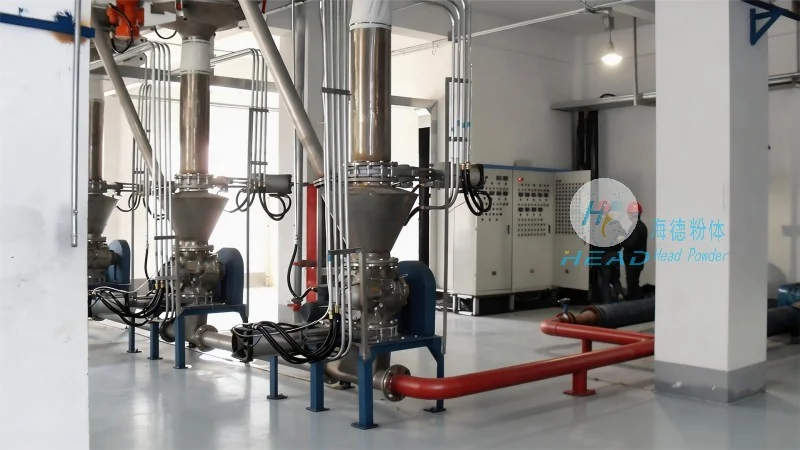
3. Belt Conveyors in Resin Sand Handling
Belt conveyors are widely used in resin sand transport due to their ability to handle large volumes of material over long distances. These systems consist of a continuous belt that moves material from one point to another, often with multiple idlers and pulleys to support the belt and guide the material. Belt conveyors are particularly suitable for horizontal or slightly inclined transport and can be designed to handle heavy loads of resin sand. The primary advantage of belt conveyors is their high capacity and low cost per tonne of material transported. They are also relatively simple to install and maintain, making them a popular choice for foundry operations. However, belt conveyors require regular cleaning and maintenance to prevent material buildup and belt wear, and they may not be suitable for transporting highly abrasive or sticky resin sand, as this can cause premature belt failure.
4. Comparison of Conveying Methods
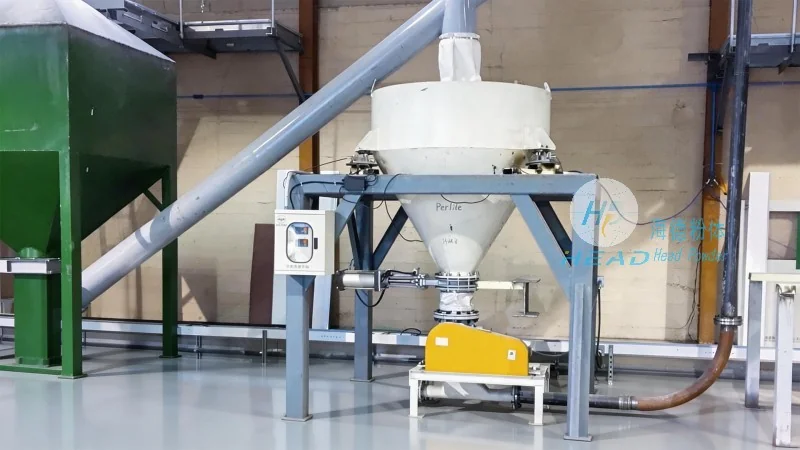
When selecting a resin sand conveying method, it is essential to consider several factors, including the material properties, production volume, distance to be covered, and environmental requirements. Screw conveyors are generally the most cost-effective for short to medium distances and for handling dry, free-flowing resin sand. Pneumatic systems are ideal for long-distance transport and for applications requiring enclosed material handling, while belt conveyors excel in high-volume, long-distance transport. The choice of system also depends on the foundry's budget and maintenance capabilities, as some methods require more frequent maintenance than others. Ultimately, the best conveying method is the one that balances efficiency, cost, and operational requirements to meet the specific needs of the foundry.
Conclusion and Recommendations
Efficient resin sand conveying is a critical component of modern foundry operations, directly impacting production efficiency and material quality. By understanding the characteristics and limitations of different conveying methods, foundry operators can make informed decisions to select the most suitable system for their needs. Shandong HeadPowder Engineering Co., Ltd. offers a range of advanced conveying solutions tailored to the demands of the foundry industry, ensuring that clients receive reliable and efficient systems that enhance their overall operational performance. Whether using screw conveyors, pneumatic systems, or belt conveyors, the key is to choose a method that optimizes material handling while minimizing costs and downtime.