

Comparison of Common Cotton Fiber Conveying Methods
When it comes to handling cotton fibers in industrial settings, selecting the right conveying method is crucial for efficiency, cost-effectiveness, and operational safety. Various technologies are available, each with distinct characteristics suited to different production environments and material properties. This article provides a detailed comparison of common cotton fiber conveying methods, focusing on their mechanisms, advantages, and typical applications.
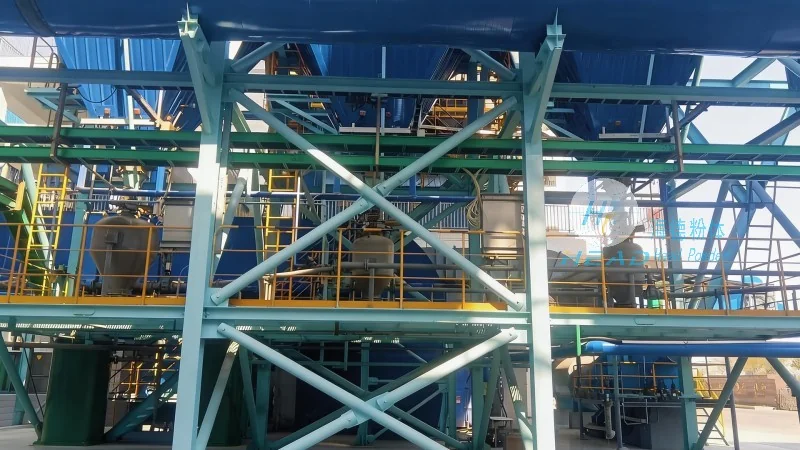
Overview of Cotton Fiber Conveying Technologies
Cotton fibers are lightweight, fine, and often dusty, making them challenging to transport without specialized equipment. The primary goal of conveying systems is to move these materials from one processing stage to another while minimizing degradation, contamination, and energy consumption. Key factors influencing the choice of a conveying method include material flow rate, distance, environmental conditions, and the need for dust control. Below, we explore several widely used approaches.
1. Air-Pressure Conveying (Pneumatic Conveying)
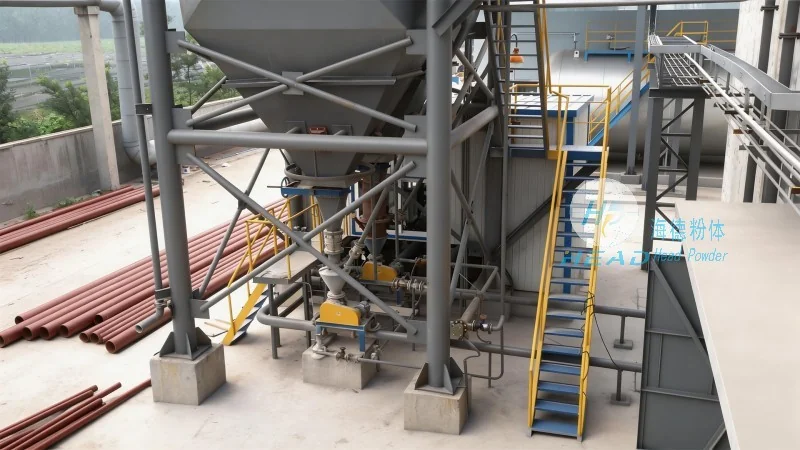
Air-pressure conveying, or pneumatic conveying, is a popular method for transporting cotton fibers due to its ability to handle fine powders and dust. This system uses compressed air to create a flow that moves the material through a pipeline. There are two main types: pressure and vacuum systems. Pressure systems are ideal for short to medium distances and high flow rates, as they can handle larger quantities of material with less energy loss. Vacuum systems, on the other hand, are better suited for longer distances or when the material needs to be drawn from multiple sources. The primary advantage of pneumatic conveying is its ability to transport materials in a closed system, reducing dust emissions and improving workplace safety. However, it requires significant energy input and may be less efficient for very fine or abrasive fibers.
2. Mechanical Conveying with Screw Conveyors
Screw conveyors are a classic mechanical solution for moving cotton fibers. These devices consist of a rotating screw (or auger) inside a tube, which pushes the material forward. Screw conveyors are particularly effective for horizontal or slightly inclined transport and are often used in feed mills and processing plants. They are simple in design, relatively low-cost, and can handle a wide range of materials, including wet or sticky cotton fibers. The main benefits include low maintenance requirements and the ability to operate in a closed environment. However, screw conveyors may not be suitable for very fine or lightweight fibers, as they can cause excessive friction and degradation. Additionally, they are limited by the length and angle of the conveyor, making them less effective for long-distance transport.
3. Belt Conveyors for Bulk Material Handling
Belt conveyors are widely used in the cotton industry for transporting larger quantities of material over longer distances. These systems consist of a continuous belt that moves over rollers or pulleys, carrying the cotton fibers from one point to another. Belt conveyors are highly efficient for horizontal and slightly inclined transport and can handle high flow rates. They are particularly useful in storage and loading operations, where large volumes of cotton need to be moved quickly and safely. The advantages of belt conveyors include high capacity, low energy consumption per tonne, and the ability to integrate with other processing equipment. However, they require regular maintenance to ensure the belt remains in good condition and to prevent material buildup or spillage. Belt conveyors are also less effective for fine or dusty fibers, as they can generate significant dust during operation.
4. Air-Lift or Air-Flow Conveying
For applications requiring gentle handling of delicate cotton fibers, air-lift or air-flow conveying systems are often employed. These methods use a combination of air pressure and gravity to move material through vertical or inclined pipes. The air is introduced at the bottom of the pipe, creating a low-pressure zone that draws the material upward. This approach minimizes mechanical stress on the fibers, making it suitable for high-value or sensitive materials. Air-lift systems are particularly effective for short vertical lifts and can handle fine powders without causing degradation. The main advantage is the gentle handling of the material, which preserves its quality. However, they are limited by the height of the lift and the flow rate, and may not be suitable for large volumes or long distances.
5. Comparison and Selection Criteria
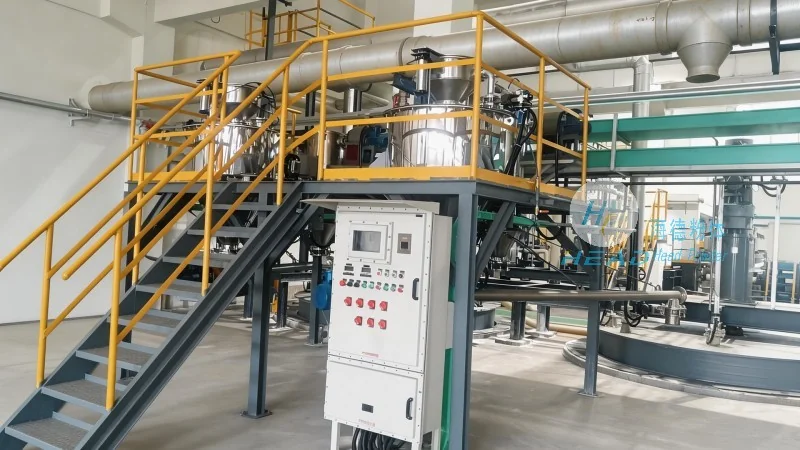
When choosing a cotton fiber conveying method, several factors must be considered to ensure optimal performance and cost-effectiveness. The first consideration is the material characteristics: fine, lightweight fibers may require pneumatic or air-lift systems, while larger or bulkier pieces can be handled by belt or screw conveyors. The second factor is the distance and layout of the processing plant: short distances may allow for simpler systems like screw conveyors, while longer distances may necessitate pneumatic or belt systems. Energy consumption is another critical factor, as high-energy systems like pneumatic conveyors can increase operational costs. Finally, environmental and safety requirements, such as dust control and workplace safety, should guide the selection process.
Conclusion
Each cotton fiber conveying method has its strengths and limitations, and the best choice depends on the specific needs of the industrial application. Air-pressure conveying offers flexibility and dust control but requires more energy. Screw conveyors are simple and cost-effective but may cause material degradation. Belt conveyors are efficient for bulk handling but require regular maintenance. Air-lift systems provide gentle handling but are limited in capacity and distance. By carefully evaluating these factors, manufacturers can select the most suitable conveying system to enhance productivity, reduce costs, and ensure safe operation. For further assistance in selecting or implementing cotton fiber conveying solutions, Shandong HeadPowder Engineering Co., Ltd. offers expert consultation and customized equipment solutions tailored to the unique requirements of cotton processing facilities.