

Common Silica Transport Methods: A Comparison
When it comes to transporting silica, various methods are employed in industrial applications. Understanding the different approaches is crucial for selecting the most suitable option based on specific operational requirements. This article provides a detailed comparison of common silica transport methods, focusing on their mechanisms, advantages, and typical applications.
About HeadPowder
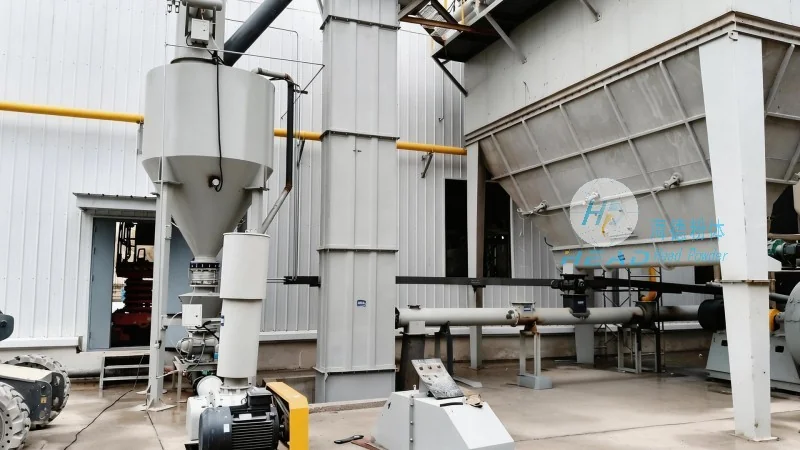
HeadPowder, or Shandong HeadPowder Engineering Co., Ltd., is a leading provider of advanced material handling solutions. With a strong presence in China, particularly in Shandong province, the company specializes in developing and implementing efficient transport systems for various powders, including silica. Their expertise lies in optimizing material flow while ensuring safety and reliability in industrial processes.
1. Pneumatic Conveying Systems
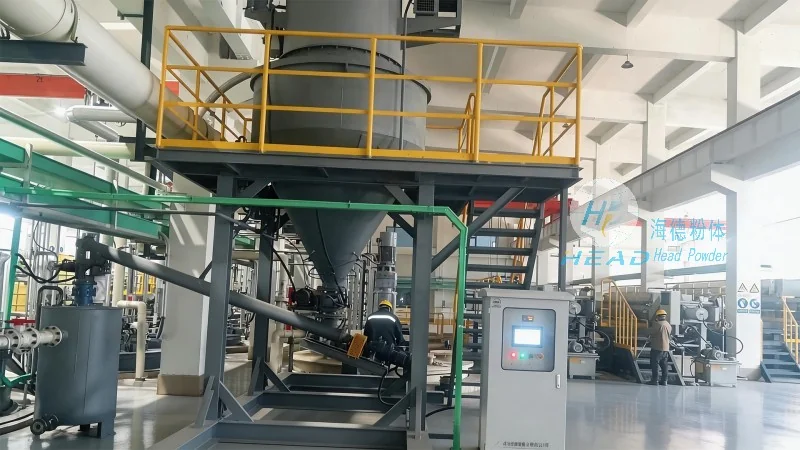
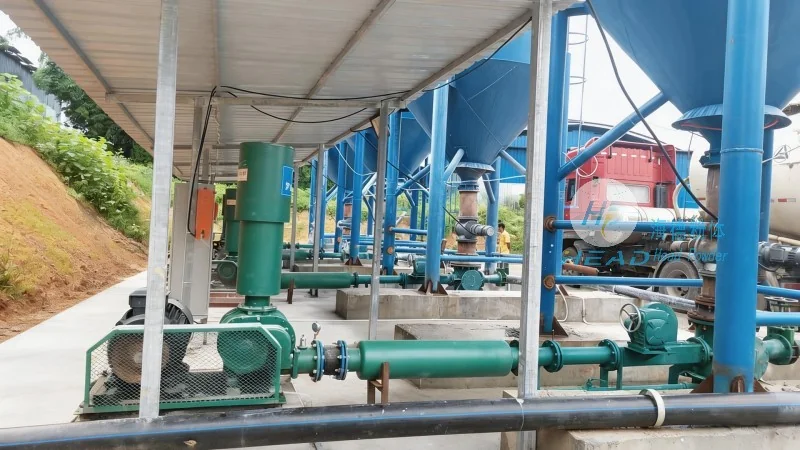
Pneumatic conveying is a widely used method for transporting silica. This technique involves using air pressure to move the material through a pipeline. There are two main types: dilute-phase and dense-phase pneumatic conveying. Dilute-phase systems are suitable for long-distance transport and low to medium material loads, while dense-phase systems are ideal for handling high-density materials with minimal product degradation. The choice between these depends on factors such as the distance to be covered, the volume of material, and the required flow rate. Pneumatic conveying offers advantages like low maintenance, ability to handle abrasive materials, and the option to integrate with other processing equipment. However, it may require higher energy consumption and careful air filtration to prevent dust accumulation.
2. Screw Conveyors
Screw conveyors, also known as auger conveyors, are another common method for silica transport. These systems use a rotating screw to move material along a trough. Screw conveyors are particularly effective for horizontal or slightly inclined transport, making them suitable for bulk handling in storage and processing facilities. They are capable of handling a wide range of particle sizes and can be designed for both dry and wet applications. The main advantages include simplicity in design, low operating costs, and the ability to operate in a closed system to contain dust. However, screw conveyors may experience wear and tear on the screw and trough, especially with abrasive materials like silica. Regular maintenance is necessary to ensure consistent performance and prevent material blockages.
3. Belt Conveyors
Belt conveyors are widely used in bulk material handling, including silica transport. These systems consist of a continuous belt that moves over rollers or pulleys, transporting the material from one point to another. Belt conveyors are suitable for both horizontal and inclined transport over long distances. They are capable of handling large volumes of material and can be customized with different belt materials to suit the properties of the silica being transported. The advantages of belt conveyors include high capacity, low maintenance, and the ability to operate in various environmental conditions. However, they require proper alignment and tensioning to prevent belt slippage or damage. Additionally, belt conveyors may not be suitable for very fine or abrasive materials that could cause excessive wear on the belt.
4. Bucket Elevators
Bucket elevators are used for vertical transport of silica, often in combination with other horizontal conveying systems. These systems consist of a continuous chain with buckets attached, which move vertically to lift the material. Bucket elevators are efficient for transporting large quantities of material vertically over significant heights. They are particularly useful in applications where vertical space is limited or where the material needs to be elevated to a higher level for processing. The main advantages include high capacity, low power consumption, and the ability to handle abrasive materials without significant wear. However, bucket elevators require careful design to ensure proper bucket spacing and chain tension to prevent material spillage or chain breakage. Regular inspection and maintenance are essential to maintain their operational efficiency.
Conclusion
Choosing the right silica transport method depends on several factors, including the material characteristics, transport distance, required capacity, and operational environment. Pneumatic conveying offers flexibility and efficiency for various applications, while screw and belt conveyors provide reliable bulk handling solutions. Bucket elevators are ideal for vertical transport needs. Companies like Shandong HeadPowder Engineering Co., Ltd. (HeadPowder) specialize in designing and implementing these systems to meet specific industrial requirements, ensuring optimal performance and safety in silica handling processes.