

Comparison of Common Carbon Additive Powder Conveying Methods
For industrial applications involving carbon additive powders, selecting an appropriate conveying method is critical to ensure efficiency, safety, and product integrity. This article provides a detailed comparison of common powder transport techniques, with a focus on the solutions offered by Shandong HeadPowder Engineering Co., Ltd. (headpowder), a leading provider of material handling equipment. The company specializes in designing and manufacturing systems tailored to the unique properties of carbon additives, such as their fine particle size, abrasive nature, and potential for dust explosion risks.

1. Pneumatic Conveying Systems
Pneumatic conveying, also known as air-assisted transport, is a widely used method for carbon additive powder handling. This system uses compressed air to move powders through a pipeline. The primary types include pressure and vacuum systems. Pressure systems are suitable for long-distance transport and can handle large volumes, while vacuum systems are ideal for material recovery from process points. Shandong HeadPowder Engineering Co., Ltd. specializes in designing pneumatic conveying solutions tailored to the specific flow rates and particle characteristics of carbon additives. The advantages of pneumatic conveying include high speed, minimal product degradation, and the ability to transport powders over significant distances without the need for multiple transfer points. However, it requires careful control of air pressure and flow to prevent clogging or degradation of the powder. The company’s expertise in material handling ensures that their pneumatic systems are optimized for the unique properties of carbon additive powders, such as their fine particle size and potential for dust explosion risks.
2. Screw Conveyors
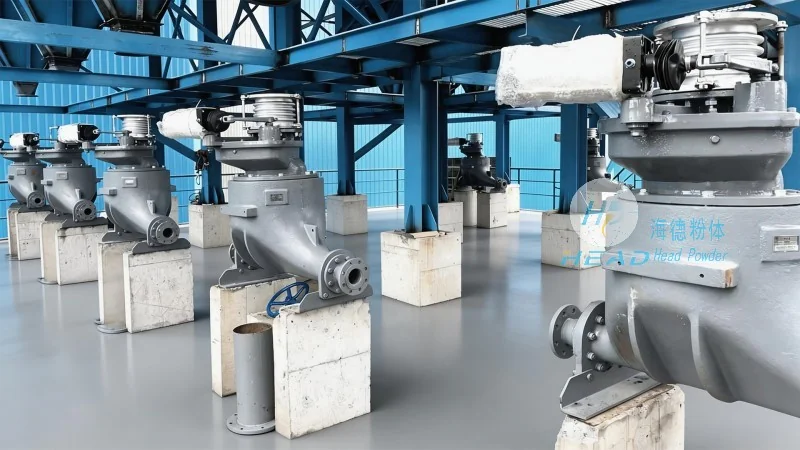
Screw conveyors, or auger conveyors, are another common method for transporting carbon additive powders. These systems consist of a rotating screw inside a trough, which moves the material forward. Screw conveyors are particularly effective for horizontal or slightly inclined transport and are often used in batching and mixing operations. They are simple in design, requiring minimal maintenance, and can handle a wide range of powder types. Shandong HeadPowder Engineering Co., Ltd. offers screw conveyor solutions that are robust and durable, suitable for the abrasive nature of carbon additives. The main advantages of screw conveyors include their ability to handle dry, free-flowing powders and their compact design, which saves space in industrial facilities. However, they are less efficient for vertical transport and may experience wear and tear on the screw and trough due to the abrasive properties of the material. The company’s engineering team ensures that their screw conveyors are designed with wear-resistant materials to extend the service life and maintain consistent performance.
3. Vibrating Conveyors
Vibrating conveyors use mechanical vibrations to move carbon additive powders along a trough. This method is effective for both horizontal and inclined transport and is particularly useful for handling powders with poor flow characteristics or those that tend to settle in traditional conveyors. The vibrations help to break up agglomerates and maintain a consistent flow rate. Shandong HeadPowder Engineering Co., Ltd. provides vibrating conveyor systems that are adjustable in terms of vibration frequency and amplitude, allowing for customization based on the specific powder properties. The advantages of vibrating conveyors include their ability to handle sticky or cohesive powders and their low maintenance requirements. However, they may not be suitable for very fine powders that could be carried away by the vibration, and the system requires a stable foundation to prevent vibration transmission to the surrounding environment. The company’s solutions are designed to minimize noise and vibration, making them suitable for use in industrial settings where noise control is important.
4. Bucket Elevators
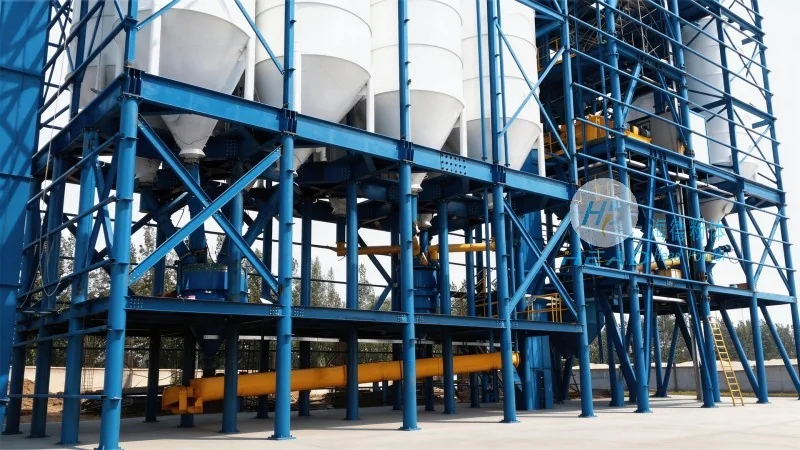
Bucket elevators are vertical or inclined conveyors that use buckets attached to a chain or belt to transport carbon additive powders. This method is ideal for vertical transport over significant heights and is commonly used in feed mills and processing plants. The buckets are filled with powder at the bottom and discharged at the top, ensuring a continuous flow. Shandong HeadPowder Engineering Co., Ltd. manufactures bucket elevators that are robust and efficient, capable of handling large volumes of carbon additive powders. The main advantages of bucket elevators include their high capacity, ability to transport powders vertically over long distances, and minimal product degradation. However, they require regular maintenance of the buckets and chains to prevent wear and tear, and they may not be suitable for very fine powders that could escape between the buckets. The company’s engineering solutions focus on durability and reliability, ensuring that their bucket elevators can withstand the abrasive nature of carbon additives and operate efficiently for extended periods.
5. Comparison and Selection Considerations
When choosing a conveying method for carbon additive powders, several factors must be considered, including the powder’s particle size, flowability, moisture content, and the required transport distance and height. Pneumatic conveying is best for long-distance, high-speed transport, while screw and vibrating conveyors are more suitable for shorter distances or when handling sticky powders. Bucket elevators are ideal for vertical transport. Shandong HeadPowder Engineering Co., Ltd. offers comprehensive solutions that can be customized to meet the specific needs of each application. The company’s expertise in material handling and engineering ensures that their conveying systems are optimized for the unique properties of carbon additives, providing reliable and efficient transport solutions. By understanding the advantages and limitations of each method, industrial operators can select the most appropriate conveying system to enhance productivity, reduce costs, and ensure product quality.