

Common Rice Bran Conveying Methods: A Comparison of Advantages and Disadvantages
When it comes to transporting rice bran—a byproduct of rice milling—efficient and reliable conveying systems are crucial for industrial operations. The choice of conveying method significantly impacts production efficiency, operational costs, and product quality. This article provides a detailed comparison of common rice bran conveying methods, highlighting their advantages and disadvantages, to help industrial operators make informed decisions.
Overview of Rice Bran and Conveying Challenges
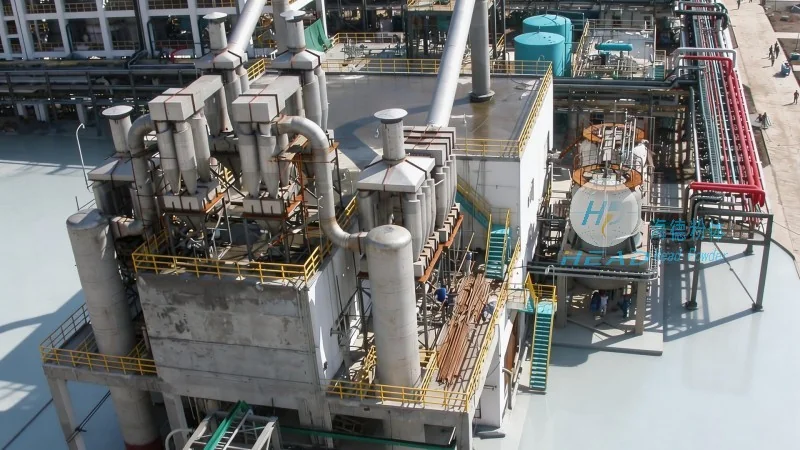
Rice bran is a valuable material used in various industries, including food processing, animal feed, and biofuel production. Its handling requires specialized equipment due to its fine texture, high oil content, and potential for dust generation. Conveying rice bran involves moving it from storage silos or processing units to subsequent stages of production. The primary challenges in rice bran conveying include minimizing product degradation, controlling dust, and ensuring consistent flow rates. These challenges necessitate the selection of appropriate conveying technologies.
1. Gravity Conveying Systems
Gravity conveying systems utilize the natural force of gravity to move rice bran from higher to lower elevations. These systems typically consist of inclined chutes or hoppers that allow the material to flow down under the influence of gravity. The main advantage of gravity conveying is its low energy consumption, as it does not require external power sources. This makes it an economical option for short-distance, low-volume conveying tasks. However, gravity systems have significant limitations. They are only suitable for transporting materials from higher to lower levels and cannot handle vertical or horizontal lifts. Additionally, they are highly dependent on the angle of inclination and the material's density, which can lead to uneven flow and potential blockages if the angle is not optimal. For rice bran, which is often fine and prone to bridging, gravity conveying may not be reliable for longer distances or when vertical movement is required.
2. Mechanical Conveying Systems
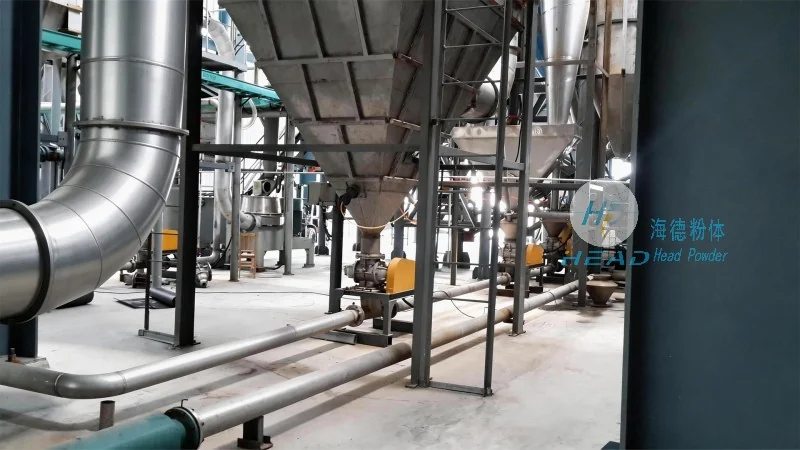
Mechanical conveying systems use mechanical power to move rice bran. The most common types include belt conveyors, screw conveyors, and pneumatic conveyors. Each type has distinct characteristics and applications.
Belt Conveyors are widely used for horizontal and slight incline conveying. They consist of a continuous belt that moves over rollers or pulleys, transporting the material. Belt conveyors are suitable for transporting rice bran over medium to long distances and can handle relatively high volumes. Their advantages include high capacity, low maintenance, and the ability to transport materials at a consistent speed. However, they require regular maintenance to prevent belt wear and slippage. For rice bran, which is abrasive, the belt material must be selected carefully to avoid premature wear. Additionally, belt conveyors may generate dust, especially when moving fine materials like rice bran, which can affect air quality and require additional dust control measures.
Screw Conveyors use a rotating screw (auger) to push rice bran through a tube or trough. They are ideal for vertical or inclined conveying and can handle both dry and slightly moist materials. Screw conveyors offer the advantage of being enclosed, which helps contain dust and prevent material spillage. This is particularly beneficial for rice bran, as it reduces the risk of dust exposure and product contamination. However, screw conveyors have limitations in terms of capacity and can experience wear on the screw and trough due to the abrasive nature of rice bran. High-speed operation may also cause the material to heat up, potentially affecting its quality.
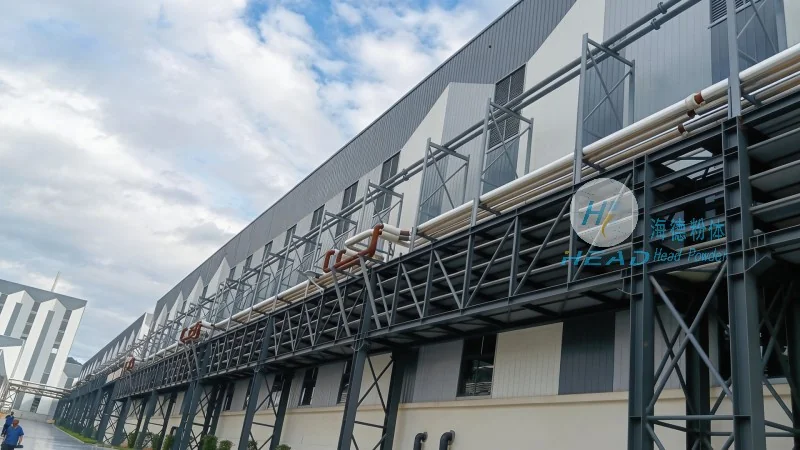
Pneumatic Conveying Systems use air pressure to transport rice bran through a pipeline. These systems can be either positive pressure (blowing air into the pipe) or negative pressure (sucking air out of the pipe). Pneumatic conveyors are highly flexible and can transport rice bran over long distances, including vertical and horizontal paths. They are particularly effective for handling fine, dusty materials like rice bran, as the air flow helps keep the material suspended and prevents clogging. The main advantage of pneumatic systems is their ability to handle complex routes and integrate with other processing equipment. However, they have higher energy consumption compared to other methods, as they require powerful air compressors. Additionally, they may cause product degradation if the material is exposed to high air speeds or temperatures for extended periods. Dust control is also critical, as the system can generate significant airborne particles.
3. Hybrid Conveying Systems
Hybrid conveying systems combine elements of gravity and mechanical methods to address the limitations of each. For example, a system might use a gravity chute for the initial vertical drop and then a screw conveyor for horizontal transport. This approach can optimize energy use while ensuring reliable material flow. Hybrid systems are particularly useful for complex conveying routes where a single method is insufficient. However, they are more complex to design and maintain, requiring careful integration of different components. The cost of installation and maintenance may also be higher compared to traditional systems. For rice bran applications, hybrid systems can be effective when the conveying route involves both vertical and horizontal movements, but they require precise engineering to ensure smooth operation.
Key Considerations for Choosing a Conveying Method
When selecting a rice bran conveying method, several factors must be considered to ensure optimal performance and cost-effectiveness. These include the distance and elevation changes, the volume and consistency of the material, the need for dust control, and the available space and budget. The choice of conveying system should align with the specific requirements of the rice bran processing plant. For instance, a small-scale operation with short conveying distances may find gravity systems sufficient, while a large-scale industrial plant with long distances and complex routes may require mechanical or pneumatic systems.
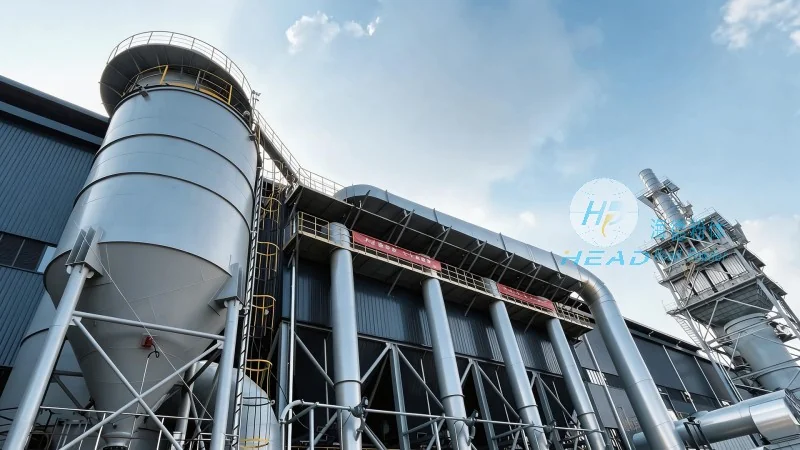
Another critical consideration is the impact on product quality. Rice bran is sensitive to temperature and moisture changes, which can affect its nutritional value and marketability. Conveying systems that generate heat or cause excessive friction should be avoided to prevent product degradation. Additionally, the system must be designed to minimize dust generation, as rice bran dust can pose health risks and affect air quality. Proper sealing and filtration are essential components of any conveying system used for rice bran.
Conclusion
The selection of an appropriate rice bran conveying method is a critical decision for industrial operations. Each method has its own set of advantages and disadvantages, and the optimal choice depends on the specific operational requirements and constraints. Gravity systems offer low energy consumption but are limited in application. Mechanical systems, such as belt, screw, and pneumatic conveyors, provide greater flexibility and capacity but require more maintenance and energy. Hybrid systems combine the benefits of both but are more complex. By carefully evaluating the conveying needs, including distance, elevation, material characteristics, and quality requirements, industrial operators can choose the most suitable method to ensure efficient and reliable rice bran handling.