

Advantages and Disadvantages of Common Fermentation Malt Transport Methods
In the production of fermented beverages and other industrial processes, the efficient and reliable transport of fermentation malt is crucial for maintaining product quality and production efficiency. Various transport methods are employed, each with its own set of advantages and disadvantages. This article provides a detailed comparison of common fermentation malt transport methods, focusing on their operational characteristics, benefits, and limitations. The information is presented by Shandong HeadPowder Engineering Co., Ltd., a leading manufacturer in the field of industrial transport solutions, based in Shandong, China.
Pump-Driven Transport Systems
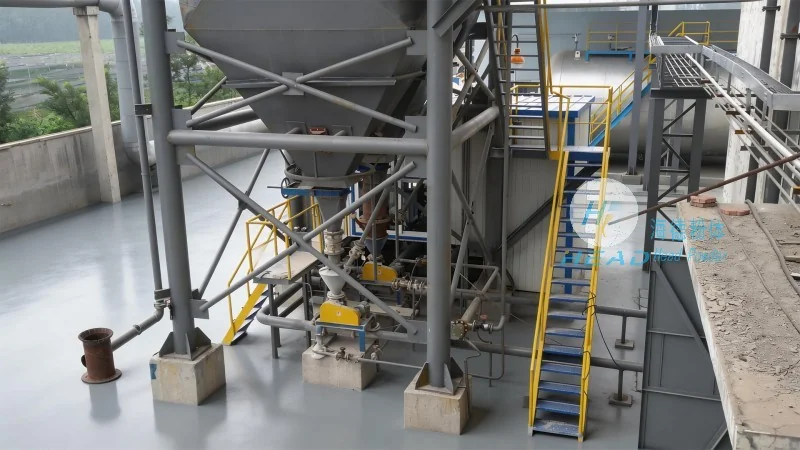
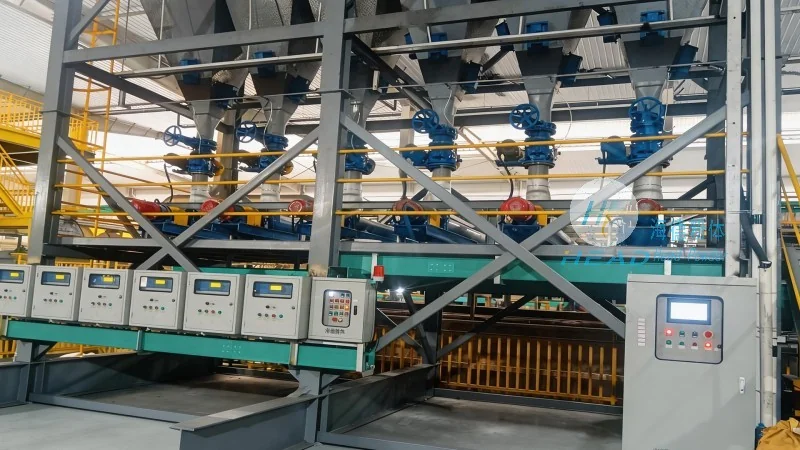
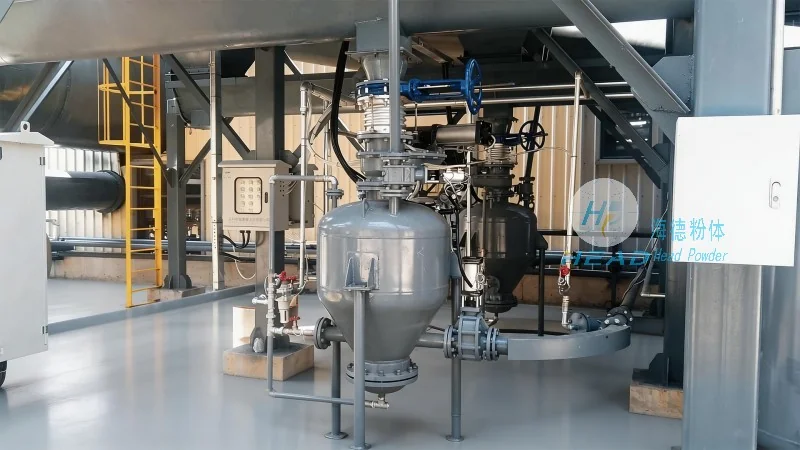
Pump-driven systems are widely used for the transport of fermentation malt due to their ability to handle viscous materials and maintain consistent flow rates. These systems typically utilize centrifugal or positive displacement pumps to move malt from storage silos or tanks to processing equipment. A key advantage of pump-driven transport is the ability to control flow rates precisely, which is essential for maintaining the desired malt-to-water ratio in fermentation processes. Additionally, pump systems can operate under pressure, allowing for long-distance transport without the need for multiple transfer points. However, pump-driven transport may require higher energy consumption compared to other methods, and maintenance costs can be significant due to the wear and tear on pump components. Furthermore, if the pump fails, it can lead to a complete halt in the production line, potentially causing delays and increased downtime.
Gravity-Driven Transport Systems
Gravity-driven transport systems rely on the natural force of gravity to move fermentation malt from elevated storage to lower processing areas. This method is often used in facilities where the storage silos are located above the production floor, allowing malt to flow through a series of chutes or pipes without the need for external power. The primary advantage of gravity-driven systems is their low energy consumption and minimal operational costs, as they do not require pumps or other power sources. Additionally, these systems are generally simple in design, with fewer moving parts, which reduces the risk of mechanical failure and simplifies maintenance. However, gravity-driven transport is limited by the vertical distance between the storage and processing areas; if the elevation difference is insufficient, the system may not be able to achieve the necessary flow rate. Furthermore, the flow rate in gravity systems is often variable and dependent on the height of the headspace, which can lead to inconsistent delivery of malt to the production line. This variability can affect the uniformity of the fermentation process and may require additional control measures to maintain consistency.
Mechanical Conveyor Systems
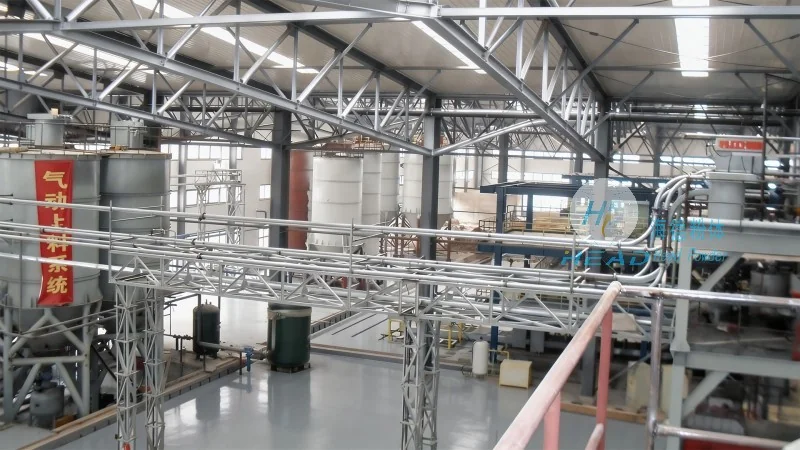
Mechanical conveyor systems, such as belt conveyors or screw conveyors, are another common method for transporting fermentation malt. These systems use mechanical components to move malt through a continuous path, typically from storage bins to processing equipment. Belt conveyors are particularly effective for transporting larger quantities of malt over relatively short distances, while screw conveyors are better suited for handling smaller batches or materials with higher moisture content. A key advantage of mechanical conveyor systems is their ability to handle a wide range of malt types and conditions, including wet or dry materials. Additionally, these systems can be designed with multiple transfer points, allowing for flexible routing of the malt flow. However, mechanical conveyors may experience wear on the conveyor belts or screws, especially when transporting abrasive or high-moisture malt. This wear can lead to increased maintenance costs and potential blockages in the system. Furthermore, the speed of the conveyor may need to be adjusted based on the specific characteristics of the malt, which can complicate the control of the transport process.
Advantages and Disadvantages Summary
When selecting a fermentation malt transport method, it is essential to consider the specific requirements of the production process, including the volume of malt to be transported, the distance between storage and processing areas, and the desired flow rate. Pump-driven systems offer precise control and are suitable for long-distance transport but require higher energy and maintenance costs. Gravity-driven systems are energy-efficient and simple but are limited by vertical distance and flow variability. Mechanical conveyor systems provide flexibility and can handle diverse malt types but may experience wear and require adjustments for optimal performance. Shandong HeadPowder Engineering Co., Ltd. specializes in designing and manufacturing customized transport solutions tailored to the unique needs of each client, ensuring efficient and reliable malt transport in various industrial applications.