Công ty TNHH Kỹ thuật Headpowder Sơn Đông chuyên vận chuyển khí nén bột và hạt. Nhờ thế mạnh hợp tác doanh nghiệp‑trường‑viện, chúng tôi cung cấp giải pháp vận chuyển kín, không bụi, độ chính xác cao.
When it comes to handling potassium sulfate, selecting the right conveying method is crucial for efficiency, cost-effectiveness, and operational safety. Various technologies are available, each with distinct characteristics that suit different industrial applications. This article provides a detailed comparison of common potassium sulfate conveying methods, focusing on their advantages and disadvantages to help industrial operators make informed decisions.
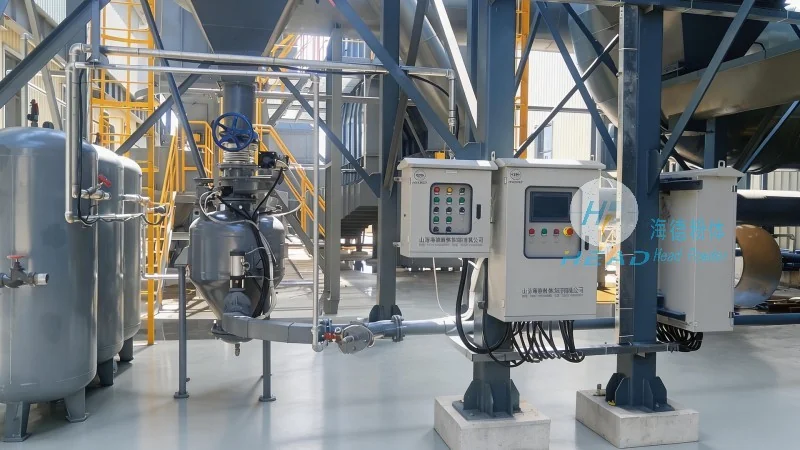
1. Pneumatic Conveying Systems
Pneumatic conveying uses air or other gases to transport bulk materials like potassium sulfate through a pipeline. This method is widely used in the chemical and fertilizer industries due to its ability to handle fine powders and minimize dust exposure. The system typically consists of a hopper, a blower, and a pipeline network. One of the key advantages of pneumatic conveying is its ability to transport materials over long distances without the need for multiple transfer points. It also allows for continuous operation, which enhances production throughput. However, this method has some drawbacks. The high air velocity required can lead to increased energy consumption, and the system may be susceptible to blockages if the material is too fine or has high moisture content. Additionally, the initial investment for a pneumatic system can be higher compared to other conveying methods.
2. Screw Conveyors
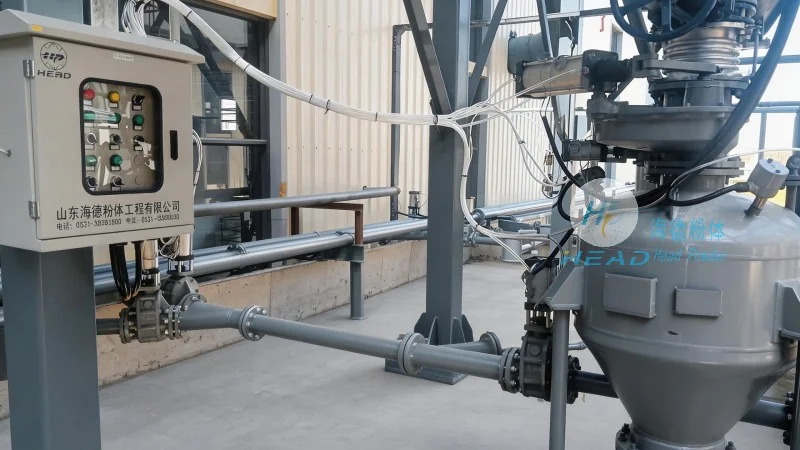
Screw conveyors, also known as auger conveyors, are mechanical devices that use a rotating screw to move bulk materials. They are commonly used for transporting potassium sulfate in horizontal or slightly inclined directions. The primary advantage of screw conveyors is their simplicity and low maintenance requirements. They are relatively inexpensive to install and operate, making them a cost-effective solution for many industrial applications. Screw conveyors also provide a closed system, which helps in controlling dust and preventing material loss. Another benefit is their ability to handle a wide range of material types, including those with varying moisture content. However, screw conveyors have limitations. They are not suitable for transporting materials with high moisture content or those that are prone to caking, as this can cause the screw to jam. Additionally, the conveying distance is limited, and the system may not be efficient for long-distance transport compared to pneumatic systems.
3. Belt Conveyors
Belt conveyors use a continuous belt to transport bulk materials. They are widely used in mining, agriculture, and chemical industries for their ability to handle large volumes of material over long distances. The primary advantage of belt conveyors is their high capacity and long conveying distance. They can transport large quantities of potassium sulfate efficiently, making them ideal for bulk handling operations. Belt conveyors also offer a low-cost solution for long-distance transport, as they require minimal maintenance once installed. Another benefit is their ability to handle materials with high moisture content or those that are prone to sticking, as the belt can be designed with special coatings or cleats to prevent material buildup. However, belt conveyors have some disadvantages. They are not suitable for fine powders, as the material can fall through the belt and cause loss. The system also requires regular maintenance to ensure the belt remains in good condition, and any damage to the belt can lead to material spillage and operational downtime.
4. Hydraulic Conveying
Hydraulic conveying uses water or other liquids to transport bulk materials. This method is particularly useful for transporting potassium sulfate in applications where dust control is critical or where the material is highly abrasive. The system typically involves a pump, a pipeline, and a receiving tank. The primary advantage of hydraulic conveying is its ability to handle fine powders and abrasive materials without causing wear and tear on the system components. It also provides a closed system, which helps in controlling dust and preventing environmental contamination. Another benefit is its ability to transport materials over long distances with minimal energy consumption compared to pneumatic systems. However, hydraulic conveying has some significant drawbacks. The system requires a constant supply of water, which can increase operational costs, especially in areas with water scarcity. The material must be well-dispersed in the liquid to prevent clogging, and any solid particles can cause blockages in the pipeline. Additionally, the system is not suitable for materials with high moisture content, as this can lead to corrosion of the pipeline and pump components.
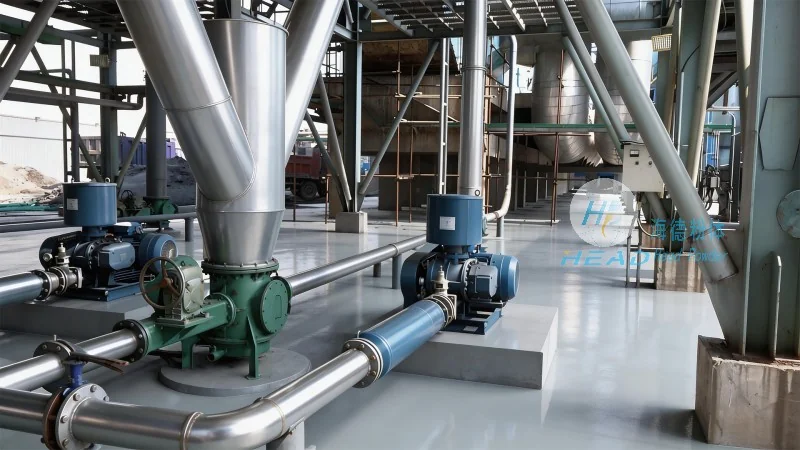
5. Comparison and Recommendations
When selecting a conveying method for potassium sulfate, it is essential to consider several factors, including the material's properties, the required conveying distance, the volume of material to be transported, and the budget. Pneumatic conveying is ideal for fine powders and long-distance transport but requires high energy input. Screw conveyors are suitable for horizontal transport and low-moisture materials but have limited conveying distance. Belt conveyors are best for bulk handling and long distances but are not suitable for fine powders. Hydraulic conveying is effective for abrasive materials and dust control but requires a constant water supply.
For industrial applications, it is often recommended to evaluate the specific requirements of the operation and choose the most suitable conveying method. In many cases, a combination of methods may be used to achieve optimal performance. For example, a pneumatic system can be used for the initial transport of fine potassium sulfate from a storage silo to a processing plant, followed by a screw conveyor for further handling. This approach leverages the strengths of each method while mitigating their weaknesses.
About Shandong HeadPowder Engineering Co., Ltd.
Shandong HeadPowder Engineering Co., Ltd., operating under the brand name headpowder, is a leading provider of bulk material handling solutions. With a focus on innovation and customer satisfaction, the company specializes in designing and manufacturing conveying systems tailored to the needs of the chemical, fertilizer, and mining industries. Headpowder's expertise lies in understanding the unique challenges of handling potassium sulfate and other bulk materials, and providing customized solutions that enhance operational efficiency and safety. The company's commitment to quality and reliability has made it a trusted partner for businesses worldwide, helping them optimize their material handling processes and reduce operational costs.

 Shandong Headpowder Engineering Co., Ltd.
 156-6277-7102(Quản lý Trương)
  0531-83386006
  Thành phố Tế Nam, Tỉnh Sơn Đông, Trung Quốc
Điện thoại
WeChatTư vấn
Lên đầu