

Comparing Common Chili Powder Conveying Methods: Advantages and Disadvantages
When it comes to efficiently transporting chili powder in industrial settings, selecting the right conveying method is crucial for maintaining product quality, operational efficiency, and cost-effectiveness. Shandong HeadPowder Engineering Co., Ltd., a leading manufacturer based in Shandong, China, understands the importance of choosing appropriate equipment for chili powder handling. This article provides a detailed comparison of common chili powder conveying methods, highlighting their advantages and disadvantages to help businesses make informed decisions.
1. Screw Conveyor (Auger Conveyor)
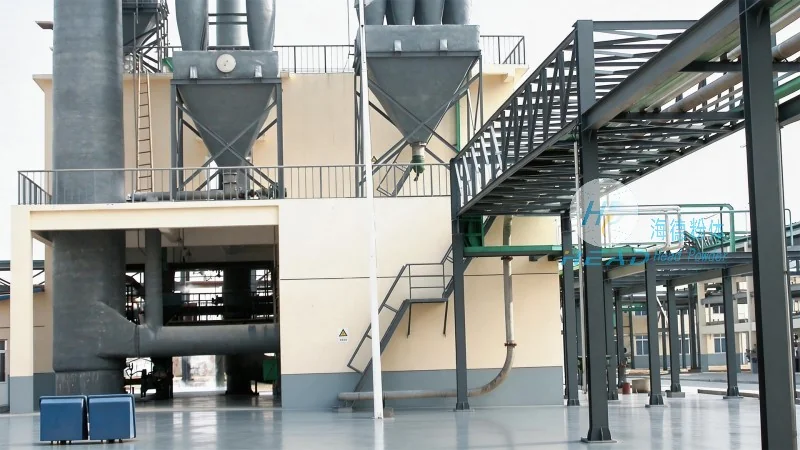
Screw conveyors are widely used for transporting chili powder due to their simplicity and effectiveness. These systems consist of a rotating screw inside a tube, which moves material from one end to the other. The primary advantage of screw conveyors is their ability to handle dry, free-flowing powders like chili powder without the need for additional components. They are also relatively low-cost and easy to install and maintain. However, screw conveyors have limitations, such as the risk of product degradation due to friction and heat generation from the rotating screw. Additionally, they are not suitable for conveying wet or sticky materials, which could cause blockages. The design of the screw and the speed of rotation are critical factors that affect the conveying efficiency and product integrity.
2. Pneumatic Conveying System
Pneumatic conveying systems use air or gas to transport chili powder through a pipeline. This method is particularly effective for long-distance or high-volume transport. One of the main advantages of pneumatic conveying is its ability to handle a wide range of materials, including fine powders, without the need for mechanical contact. It also allows for the integration of multiple processing steps, such as mixing and packaging, within the conveying line. However, pneumatic systems require higher energy consumption compared to other methods, as they need to generate sufficient air pressure to move the material. The system is also more complex, involving air compressors, filters, and control valves, which can increase maintenance costs. Furthermore, the risk of product contamination from the air system and the potential for material degradation due to high air velocities are important considerations.
3. Belt Conveyor
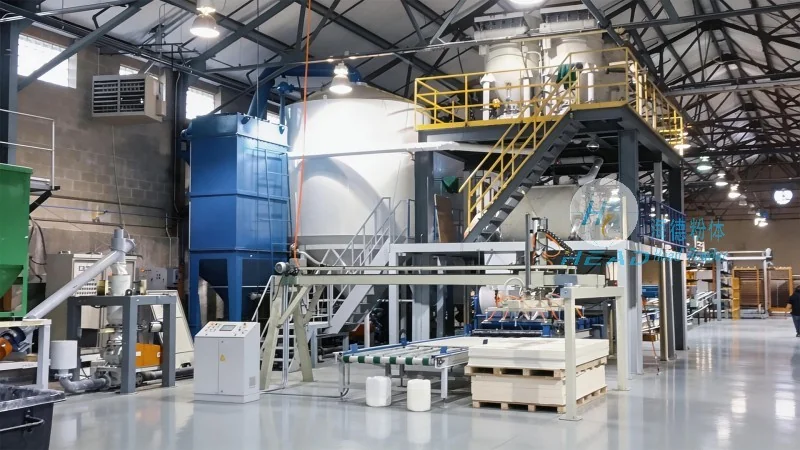
Belt conveyors are commonly used in bulk material handling, including chili powder, due to their ability to transport large quantities over long distances. These systems consist of a continuous belt that moves over rollers or pulleys, carrying the material from the inlet to the outlet. The main advantage of belt conveyors is their high capacity and low cost per tonne of material transported. They are also suitable for transporting wet or sticky materials, as the belt can be designed with special surfaces to prevent product buildup. However, belt conveyors require more space and are less flexible than other methods, as the belt must be installed in a straight line. The system is also susceptible to belt wear and tear, which can lead to product spillage and increased maintenance costs. Additionally, the risk of product contamination from the belt material and the need for regular cleaning are factors to consider.
4. Bucket Elevator
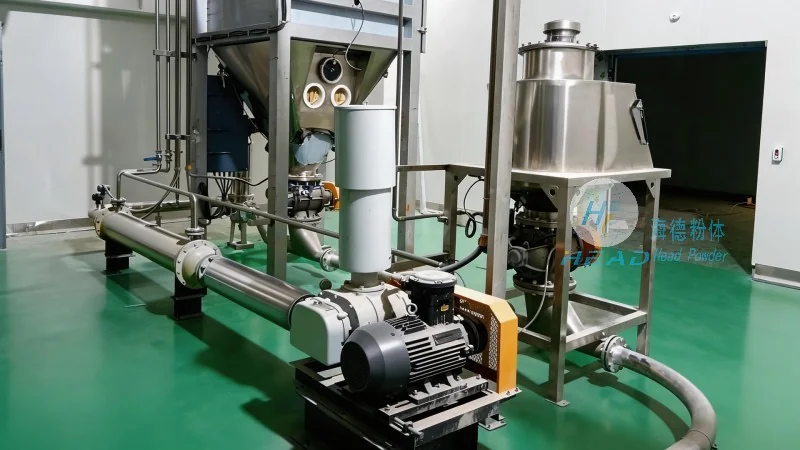
Bucket elevators are vertical or inclined conveyors that use buckets attached to a chain or belt to transport chili powder. This method is ideal for vertical transport or steep inclines, allowing for efficient material movement in limited space. The primary advantage of bucket elevators is their high vertical lifting capacity and the ability to handle a wide range of materials, including powders and granules. They are also relatively simple in design and easy to maintain. However, bucket elevators have a higher initial cost compared to other methods and require more power to operate, especially for vertical lifts. The system is also limited in terms of horizontal transport and may not be suitable for long horizontal distances. Additionally, the risk of product degradation due to the impact of buckets and the need for regular inspection of the bucket chain are important considerations.
5. Vibrating Conveyor
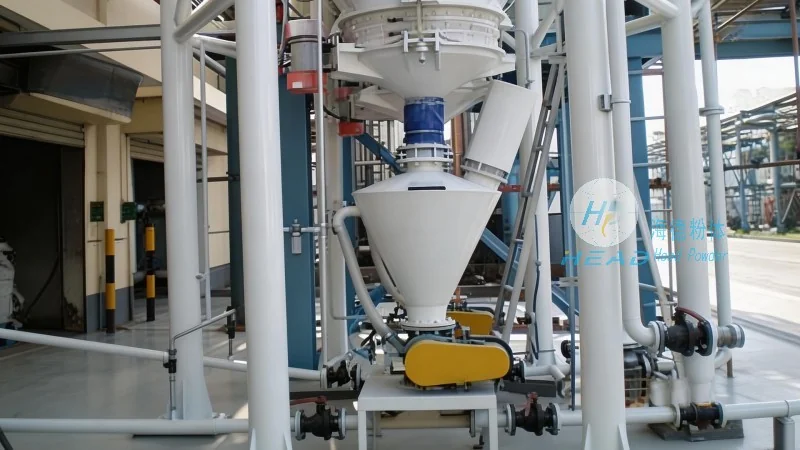
Vibrating conveyors use vibrations to move chili powder along a trough. These systems are particularly effective for handling fine powders and granules that are prone to bridging or caking. The main advantage of vibrating conveyors is their ability to prevent material buildup and ensure smooth flow, which helps maintain product quality. They are also relatively low-cost and easy to install. However, vibrating conveyors have lower conveying speeds compared to other methods, which may affect throughput. The system is also sensitive to the material's properties, as the vibration frequency and amplitude must be adjusted for different materials. Additionally, the risk of product contamination from the vibration mechanism and the need for regular maintenance of the vibration motor are factors to consider.
Choosing the right chili powder conveying method depends on various factors, including the material characteristics, transport distance, required capacity, and budget. Shandong HeadPowder Engineering Co., Ltd. offers a range of conveying solutions tailored to meet the specific needs of chili powder handling applications. By understanding the advantages and disadvantages of each method, businesses can select the most suitable equipment to optimize their operations and ensure the quality of their chili powder products.