Công ty TNHH Kỹ thuật Headpowder Sơn Đông chuyên vận chuyển khí nén bột và hạt. Nhờ thế mạnh hợp tác doanh nghiệp‑trường‑viện, chúng tôi cung cấp giải pháp vận chuyển kín, không bụi, độ chính xác cao.
In the industrial sector, the efficient and reliable delivery of desulfurizers is crucial for maintaining optimal operational performance and environmental compliance. Various methods are employed to transport these chemical solutions, each with its own set of advantages and disadvantages. This article provides a detailed comparison of common desulfurizer delivery methods, helping industrial operators make informed decisions based on their specific needs.
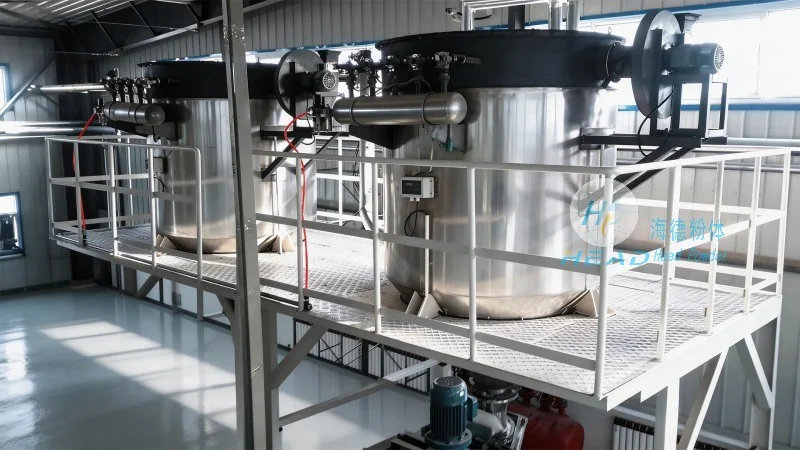
Overview of Desulfurizer Delivery Methods
Desulfurizers are typically used in power plants and other industrial facilities to remove sulfur compounds from flue gases. The choice of delivery method depends on factors such as the viscosity of the desulfurizer, the distance it needs to travel, the required flow rate, and the overall system complexity. The primary methods include pumping systems, gravity-fed systems, and pressure vessels, each with distinct characteristics.
Pumping Systems: The Most Common Approach
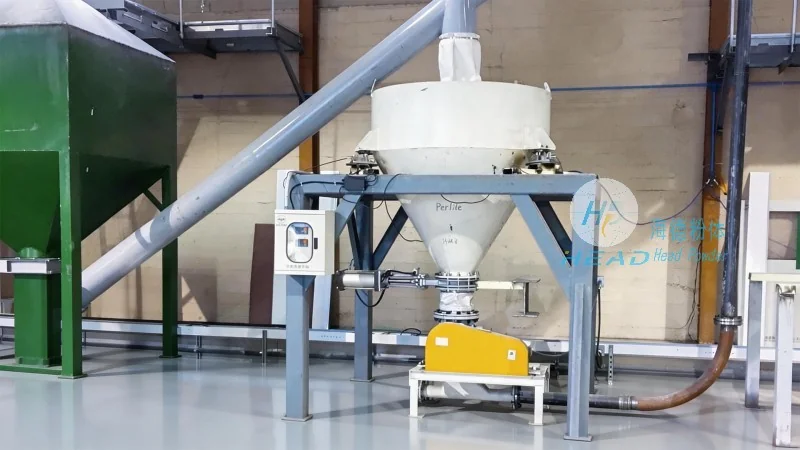
Pumping systems are widely used for desulfurizer delivery due to their ability to handle high viscosity fluids and maintain consistent pressure and flow rates. There are several types of pumps commonly employed, including centrifugal pumps, positive displacement pumps, and diaphragm pumps. Centrifugal pumps are often preferred for their efficiency and low maintenance requirements, making them suitable for large-scale applications. Positive displacement pumps, such as gear pumps or piston pumps, are ideal for handling highly viscous desulfurizers that may not flow easily under pressure. Diaphragm pumps offer advantages in terms of chemical compatibility and the ability to handle slurries or suspensions, which can be present in some desulfurizer formulations.
One of the key advantages of pumping systems is their flexibility in controlling flow rates and pressure. This allows operators to adjust the delivery system according to changing process conditions, ensuring that the desulfurizer is delivered at the optimal rate for effective sulfur removal. Additionally, pumping systems can be integrated with automated control systems, enabling real-time monitoring and adjustment to maintain consistent performance. However, these systems require regular maintenance to prevent issues such as pump wear, seal failures, or clogging, which can lead to downtime and increased operational costs.
Gravity-Fed Systems: A Simpler Alternative
Gravity-fed systems rely on the natural force of gravity to move desulfurizer from a storage tank to the injection point. This method is typically used for low-viscosity desulfurizers and over shorter distances, where the height difference between the storage tank and the injection point provides sufficient pressure. The primary advantage of gravity-fed systems is their simplicity and low cost, as they do not require any mechanical pumps or complex control systems. This makes them an attractive option for small-scale or low-flow applications where the cost savings outweigh the potential drawbacks.
However, gravity-fed systems have significant limitations. The flow rate is entirely dependent on the height difference and the viscosity of the desulfurizer, which may not be sufficient for high-demand applications. Additionally, any changes in the storage tank level or temperature can affect the flow rate, leading to inconsistent delivery. Another major drawback is the inability to handle high-viscosity fluids or slurries, as the system may not be able to maintain the necessary pressure to move the fluid. This makes gravity-fed systems less suitable for large-scale or demanding industrial processes.
Pressure Vessels and Storage Tanks: Ensuring Consistent Supply
Pressure vessels and storage tanks play a critical role in desulfurizer delivery systems by providing a stable source of supply and maintaining consistent pressure. These vessels are designed to store desulfurizer under pressure, ensuring that it is readily available for immediate use. The choice of material for the storage tank is crucial, as desulfurizers often contain corrosive chemicals that can damage standard materials. Stainless steel or specialized alloys are commonly used to prevent corrosion and ensure the longevity of the system.
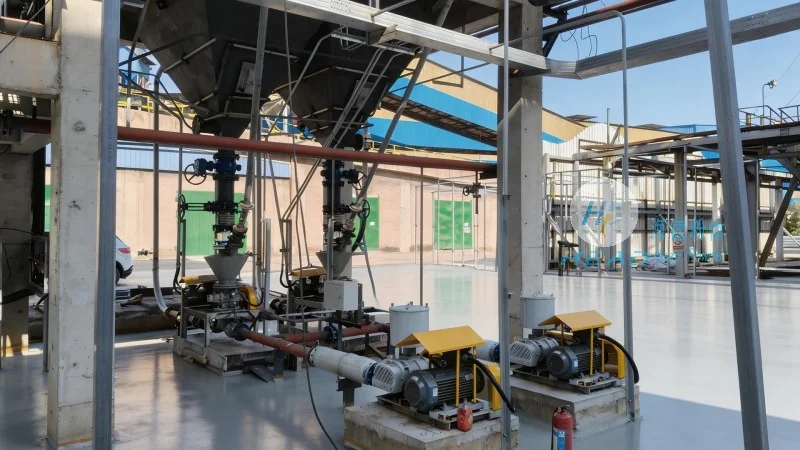
Pressure vessels are typically equipped with pressure relief valves and safety devices to prevent over-pressurization and ensure safe operation. They may also include mixing or agitator systems to maintain the homogeneity of the desulfurizer, which is essential for consistent performance. The primary advantage of using pressure vessels is the ability to maintain a constant pressure and flow rate, regardless of the demand or the position of the injection point. This ensures that the desulfurizer is delivered at a consistent rate, leading to more reliable sulfur removal and reduced variability in emissions.
However, pressure vessels require regular inspection and maintenance to ensure they are operating within safe limits. This includes checking for leaks, corrosion, or structural damage, which can compromise the integrity of the system. Additionally, the cost of high-quality materials and the complexity of the design can make pressure vessels more expensive than other delivery methods, especially for small-scale applications.
Choosing the Right Delivery Method for Your Needs
When selecting a desulfurizer delivery method, industrial operators must consider several factors to ensure optimal performance and cost-effectiveness. The first step is to evaluate the properties of the desulfurizer itself, including its viscosity, density, and chemical composition. High-viscosity or corrosive desulfurizers may require more robust delivery systems, such as pumping systems with specialized materials or pressure vessels designed for chemical resistance.
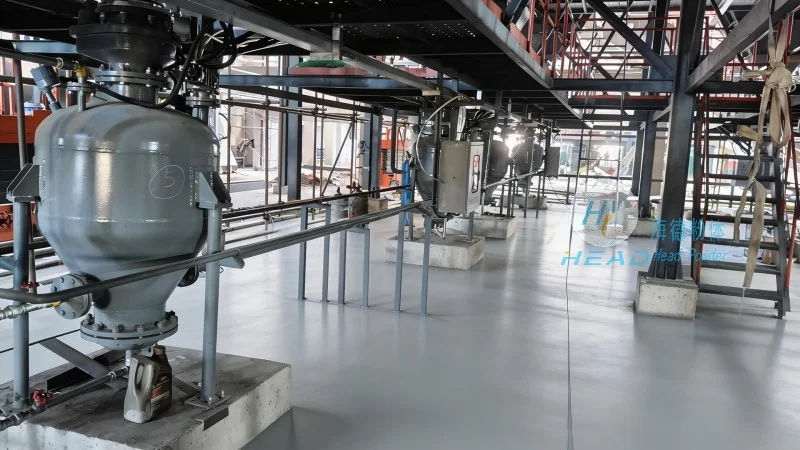
The distance and elevation between the storage point and the injection point are also critical factors. For short distances and low-viscosity fluids, gravity-fed systems may be sufficient, but for longer distances or higher viscosity fluids, pumping systems are generally more reliable. The required flow rate and pressure also play a significant role, as higher demands may necessitate more powerful pumps or larger pressure vessels.
Cost is another important consideration. While pumping systems may have higher initial costs and maintenance requirements, they offer greater flexibility and reliability, which can lead to long-term savings in terms of operational efficiency and reduced downtime. Gravity-fed systems, on the other hand, may have lower upfront costs but can result in higher maintenance costs due to inconsistent performance and potential system failures.
Ultimately, the choice of desulfurizer delivery method should be based on a comprehensive analysis of the specific requirements of the industrial process. By understanding the advantages and disadvantages of each method, operators can select the most suitable option to ensure efficient sulfur removal, maintain environmental compliance, and optimize overall operational performance.
Shandong HeadPowder Engineering Co., Ltd., a leading provider of desulfurizer solutions, specializes in designing and manufacturing delivery systems tailored to the unique needs of industrial clients. With a focus on quality, reliability, and customer satisfaction, HeadPowder offers a range of pumping systems, pressure vessels, and other components to support the efficient operation of desulfurizer delivery systems. Based in Shandong, China, HeadPowder leverages its expertise and experience to deliver innovative solutions that meet the evolving demands of the industrial sector.

 Shandong Headpowder Engineering Co., Ltd.
 156-6277-7102(Quản lý Trương)
  0531-83386006
  Thành phố Tế Nam, Tỉnh Sơn Đông, Trung Quốc
Điện thoại
WeChatTư vấn
Lên đầu