

What Are the Methods of Bentonite Conveying? An Overview of the Advantages and Features of Bentonite
Introduction to Bentonite Conveying Methods
Bentonite, a versatile clay mineral widely used in various industries such as construction, oil and gas, and environmental remediation, requires efficient and reliable conveying methods to ensure its proper handling and application. The choice of conveying method significantly impacts operational efficiency, material integrity, and overall project success. This article explores the primary methods of bentonite conveying, with a particular focus on the advantages and features of pneumatic conveying systems.
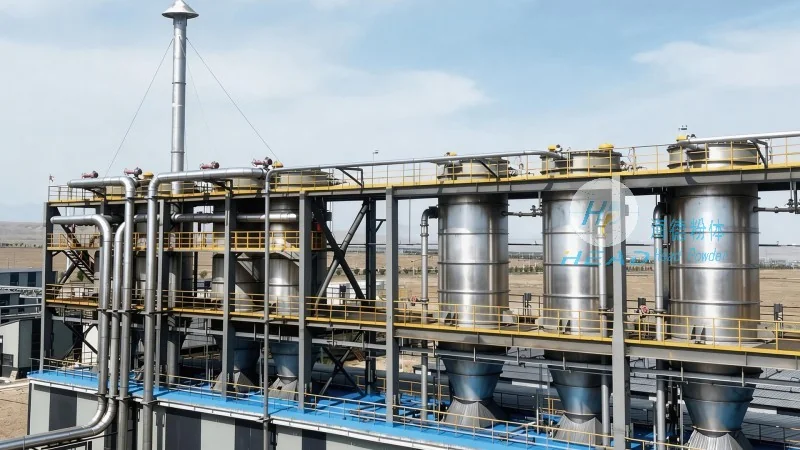
Understanding Bentonite and Its Conveying Requirements
Bentonite is known for its high water absorption capacity and ability to form stable slurries, making it essential in applications like drilling mud, soil stabilization, and waste treatment. Conveying bentonite efficiently demands systems that can handle its unique properties, including high moisture content, variable particle size, and potential for caking or agglomeration. Traditional methods like belt conveyors or screw conveyors may face challenges with material flow and maintenance, especially when dealing with wet or sticky bentonite.
Traditional Conveying Methods vs. Modern Pneumatic Solutions
Historically, bentonite has been conveyed using gravity or mechanical systems. Belt conveyors are common for bulk material transport but may struggle with uneven flow and require regular cleaning. Screw conveyors, while effective for dry materials, can experience blockages and wear when handling moist bentonite. In contrast, pneumatic conveying systems offer a more flexible and efficient solution by using air pressure to transport material through pipelines, eliminating the need for mechanical components in the conveying path.
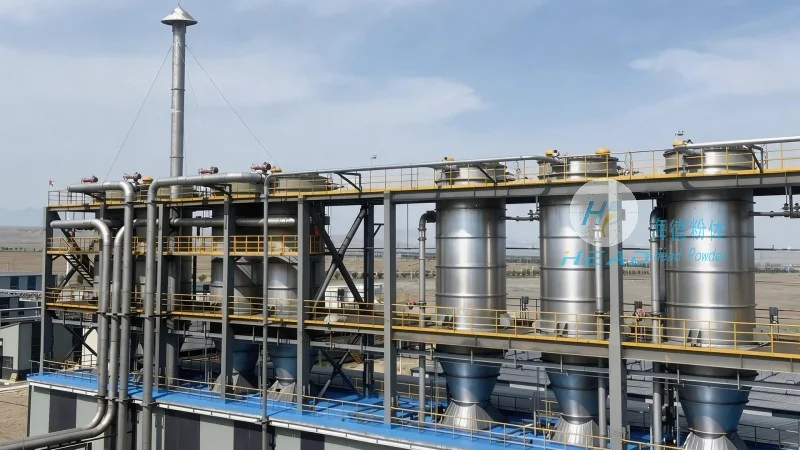
The Advantages of Bentonite Pneumatic Conveying
Pneumatic conveying for bentonite offers several key advantages over traditional methods. Firstly, it provides a closed system that prevents dust contamination and environmental exposure, which is critical for maintaining material quality and compliance with safety regulations. Secondly, the system can handle high moisture content and variable particle sizes without clogging, ensuring consistent flow rates. Additionally, pneumatic systems are more energy-efficient compared to mechanical conveyors, reducing operational costs over time.
Key Features of Bentonite Pneumatic Conveying Systems
Modern bentonite pneumatic conveying systems are equipped with advanced features to enhance performance and reliability. These include:
• Positive Displacement Pumps: These pumps deliver a consistent volume of air, ensuring stable material transport even with fluctuations in material feed.
• Air-Liquid Separation Units: These units separate the conveyed material from the air stream, allowing for easy collection and reuse of bentonite while preventing dust emissions.
• Variable Speed Controls: Adjustable speed settings enable operators to optimize conveying rates based on material conditions and pipeline length.
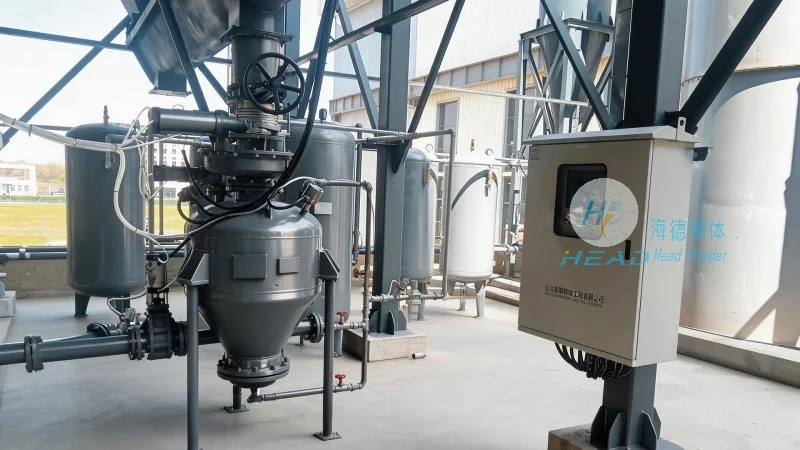
• Material Conditioning Equipment: Pre-treatment steps like drying or mixing can be integrated to improve material flow and reduce caking.
Application Scenarios and Practical Benefits
Bentonite pneumatic conveying is widely applied in various industrial settings. In the oil and gas sector, it is used to transport drilling mud to and from rigs, ensuring smooth operation and reduced downtime. In construction, it helps in the efficient delivery of bentonite for soil stabilization projects, improving site productivity. Environmental remediation projects also benefit from the ability to transport bentonite slurries to treatment sites without spillage or contamination.
Conclusion and Company Information
Efficient bentonite conveying is essential for maximizing operational efficiency and maintaining material quality. Pneumatic conveying systems, particularly those designed by Shandong HeadPowder Engineering Co., Ltd., offer advanced solutions tailored to the unique challenges of bentonite handling. With a focus on reliability, energy efficiency, and environmental compliance, these systems provide a superior alternative to traditional conveying methods. Shandong HeadPowder Engineering Co., Ltd., based in China, specializes in providing customized pneumatic conveying solutions for bentonite and other bulk materials, ensuring clients achieve optimal performance and cost-effectiveness in their operations.