

[WTTLE]Wood Chip Conveying Methods: An Overview of the Advantages and Features of Pneumatic Conveyin
Wood chip conveying is a critical process in the wood processing industry, ensuring efficient material handling from the source to the processing plant. The choice of conveying method significantly impacts operational efficiency, cost, and environmental impact. Among the various options available, pneumatic conveying stands out as a versatile and effective solution for transporting wood chips. This article explores the different wood chip conveying methods and highlights the key advantages and characteristics of pneumatic conveying systems.
Types of Wood Chip Conveying Systems
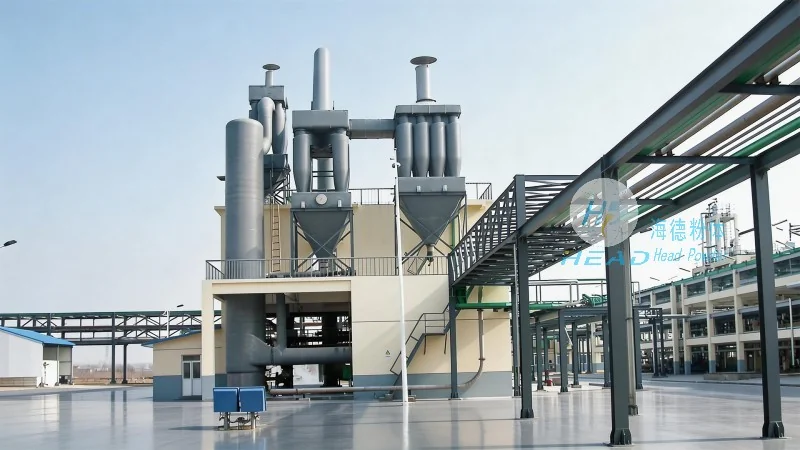
There are primarily two main categories of wood chip conveying systems: mechanical and pneumatic. Mechanical systems, such as belt conveyors, screw conveyors, and bucket elevators, rely on physical components to move the material. These methods are generally suitable for short distances and relatively low volumes of wood chips. In contrast, pneumatic conveying systems use air pressure to transport the material through a pipeline network. Pneumatic systems are particularly effective for longer distances, higher volumes, and applications requiring precise control over the material flow.
Pneumatic Conveying: Advantages and Key Features
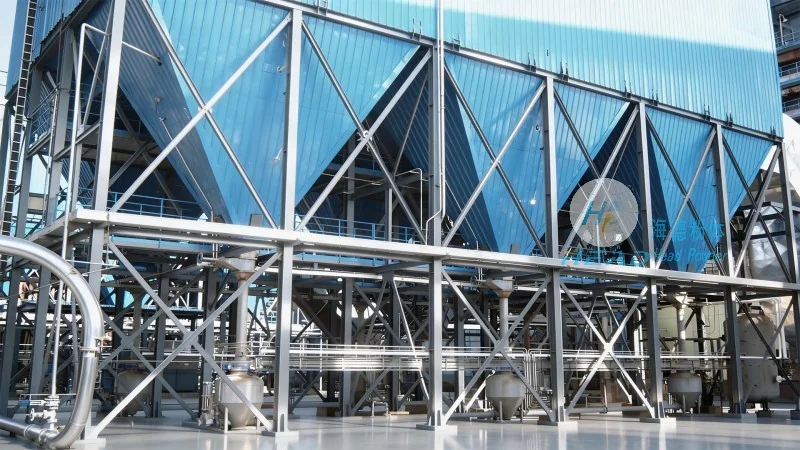
HeadPowder, a leading provider of engineering solutions in China, specializes in the design and implementation of advanced pneumatic conveying systems for wood chip handling. The advantages of pneumatic conveying for wood chips include: 1. High Efficiency and Capacity - Pneumatic systems can handle large volumes of wood chips with minimal downtime, enhancing overall production throughput. 2. Versatility - These systems can transport wood chips over long distances, often spanning several hundred meters, without the need for intermediate transfer points. 3. Low Maintenance - Compared to mechanical systems, pneumatic conveyors have fewer moving parts, reducing the risk of mechanical failure and lowering maintenance costs. 4. Environmental Benefits - Pneumatic conveying minimizes dust and debris dispersion, contributing to a cleaner working environment and reduced environmental impact. 5. Precise Control - Advanced control systems allow for accurate regulation of the material flow rate, ensuring consistent processing conditions.
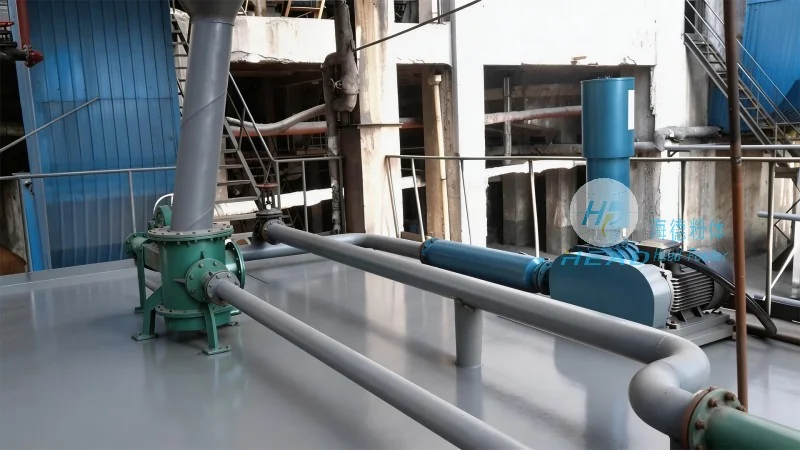
Key Components of Pneumatic Wood Chip Conveying Systems
The effectiveness of a pneumatic wood chip conveying system depends on several critical components. These include: 1. Air Supply Unit - Typically a blower or fan that generates the necessary air pressure to move the wood chips. 2. Conveying Pipeline - The pipeline network that transports the material from the source to the destination. 3. Material Feeders - Devices that introduce the wood chips into the pipeline, such as rotary valves or feed hoppers. 4. Separation and Cleaning Equipment - Components that separate the air from the wood chips and clean the system to prevent clogging and maintain efficiency. 5. Control and Monitoring Systems - Advanced software and sensors that monitor system performance, detect issues, and adjust parameters in real-time.
Applications of Pneumatic Wood Chip Conveying
Pneumatic conveying systems are widely used in various wood processing applications, including: 1. Sawmills and Woodworking Plants - For transporting wood chips from debarking and cutting operations to storage or processing areas. 2. Pellet Production Facilities - In the production of wood pellets, where consistent and clean wood chip feed is essential for high-quality pellet output. 3. Biomass Power Plants - For delivering wood chips to boilers for energy generation, ensuring reliable fuel supply. 4. Wood Chip Storage and Handling - In large-scale storage facilities, where pneumatic systems facilitate the movement of wood chips between storage silos and processing lines.
Conclusion
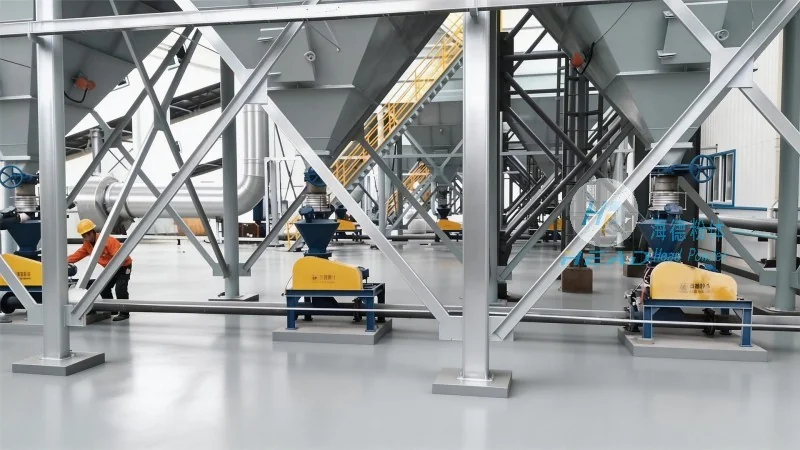
Wood chip conveying is a complex process that requires careful consideration of the specific operational needs and constraints. While mechanical systems have their place in certain applications, pneumatic conveying offers significant advantages in terms of efficiency, versatility, and environmental performance. Companies like Shandong HeadPowder Engineering Co., Ltd. play a crucial role in providing tailored pneumatic conveying solutions that meet the unique requirements of wood processing facilities. By investing in advanced pneumatic systems, wood processing plants can enhance their operational efficiency, reduce costs, and ensure sustainable material handling practices.