

Ferric Sulfate Conveying Methods: An Overview of the Advantages and Features of Pneumatic Conveying
When it comes to transporting ferric sulfate, selecting the right method is crucial for ensuring efficiency, safety, and cost-effectiveness in industrial operations. Ferric sulfate, also known as iron(III) sulfate, is widely used in water treatment, chemical manufacturing, and other industrial processes. The choice of conveying method can significantly impact the overall performance of the production line, affecting factors such as material handling speed, equipment maintenance, and operational safety.
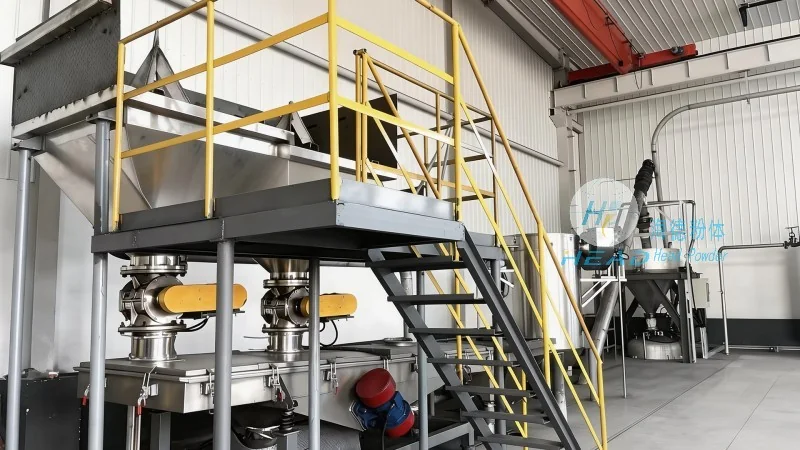
Common Conveying Methods for Ferric Sulfate
There are several conventional methods used for transporting ferric sulfate, including belt conveyors, screw conveyors, and bucket elevators. These methods have been widely adopted in various industries due to their relatively low initial investment and ease of installation. However, each method has its own set of limitations that may not be suitable for all applications, especially when dealing with bulk materials like ferric sulfate that require precise control over flow and dust management.
Pneumatic Conveying: A Modern Solution for Ferric Sulfate Transport
Pneumatic conveying, also known as air conveying, has emerged as a preferred method for transporting ferric sulfate in many industrial settings. This technology uses compressed air to move the material through a pipeline system, eliminating the need for mechanical components like belts or screws. The key advantages of pneumatic conveying for ferric sulfate include enhanced material handling flexibility, reduced risk of contamination, and improved safety features compared to traditional methods.
Key Advantages of Pneumatic Conveying for Ferric Sulfate
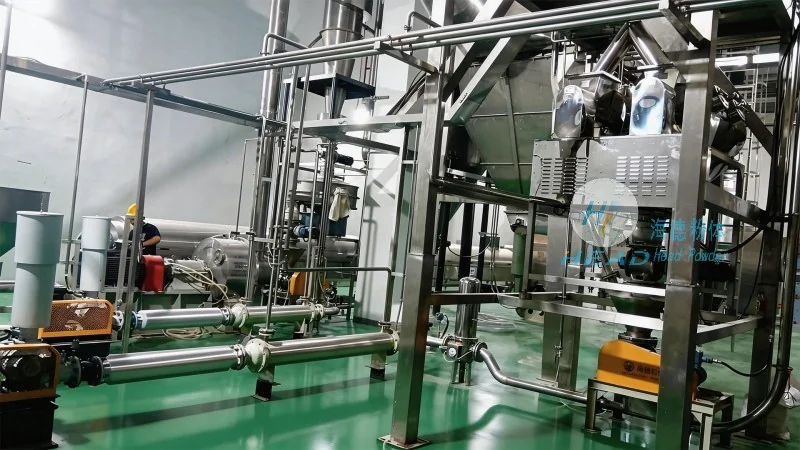
One of the primary benefits of pneumatic conveying is its ability to handle a wide range of material characteristics, including fine powders and granules. Ferric sulfate, being a fine powder, is particularly well-suited for pneumatic transport as it can be efficiently moved through pipelines without the need for excessive pressure or high speeds. This results in lower energy consumption and reduced wear on equipment, leading to long-term cost savings.
Another significant advantage is the improved dust control provided by pneumatic conveying systems. Ferric sulfate is a dry powder that can generate dust during handling, which poses health and safety risks if not properly managed. Pneumatic systems are equipped with dust collection and filtration mechanisms that capture and contain airborne particles, ensuring a cleaner working environment and compliance with environmental regulations.
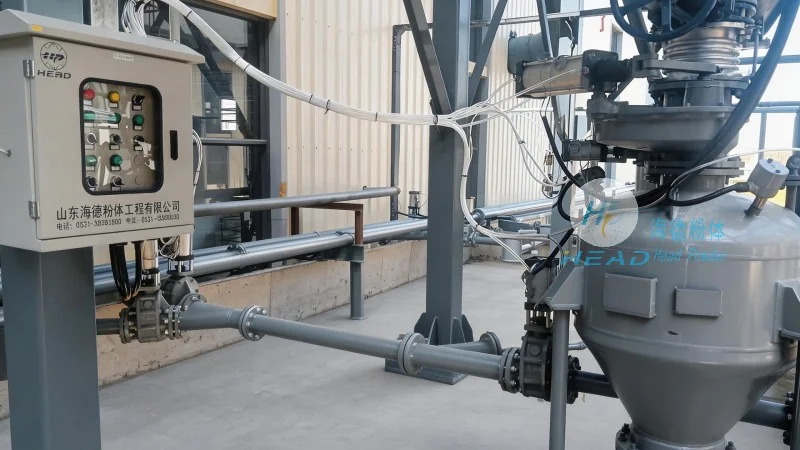
Enhanced Safety and Operational Efficiency
Pneumatic conveying offers enhanced safety features that are critical when handling potentially hazardous materials like ferric sulfate. The enclosed pipeline system prevents exposure to dust and prevents accidental spills, reducing the risk of accidents and health issues for workers. Additionally, the automated nature of pneumatic systems allows for precise control over material flow, minimizing the need for manual intervention and reducing the likelihood of human error.
Operational efficiency is another key benefit of pneumatic conveying. The system can be designed to handle high volumes of ferric sulfate with minimal downtime, ensuring smooth production processes. The ability to integrate with existing industrial systems and adapt to changing production demands makes pneumatic conveying a versatile solution for various applications. This flexibility allows companies to scale their operations as needed without significant modifications to the conveying infrastructure.
Case Study: Application of Pneumatic Conveying in Water Treatment Plants
Shandong HeadPowder Engineering Co., Ltd., a leading provider of industrial conveying solutions, has successfully implemented pneumatic conveying systems in water treatment plants across China. These plants require large quantities of ferric sulfate for coagulation and flocculation processes, which are critical for removing impurities from water. By adopting pneumatic conveying, the plants have achieved significant improvements in material handling efficiency, reduced maintenance costs, and enhanced operational safety.
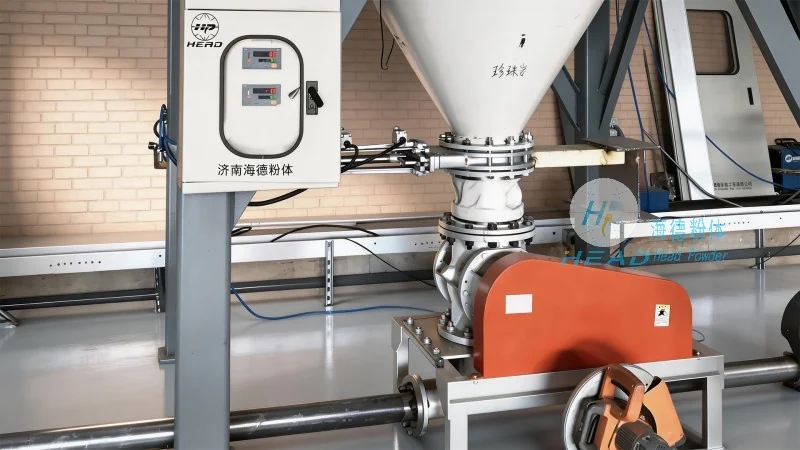
The case study highlights the effectiveness of pneumatic conveying in real-world applications. The system was designed to handle the specific characteristics of ferric sulfate, including its fine particle size and potential for dust generation. The results showed a 30% reduction in energy consumption compared to traditional belt conveyors, along with a 25% decrease in maintenance requirements. These improvements not only contribute to cost savings but also enhance the overall sustainability of the water treatment process.
Conclusion: Choosing the Right Conveying Method for Ferric Sulfate
When selecting a conveying method for ferric sulfate, it is essential to consider the specific requirements of the application, including material characteristics, production volume, and safety regulations. While traditional methods like belt and screw conveyors may be suitable for some applications, pneumatic conveying offers superior advantages in terms of efficiency, safety, and flexibility. For industries dealing with fine powders like ferric sulfate, pneumatic conveying is increasingly becoming the preferred choice due to its ability to handle the material effectively while minimizing operational risks.
Shandong HeadPowder Engineering Co., Ltd. specializes in providing customized pneumatic conveying solutions tailored to the needs of various industries. With years of experience in the field, the company has developed advanced systems that optimize material transport while ensuring compliance with industry standards and environmental regulations. By choosing pneumatic conveying for ferric sulfate transport, companies can enhance their operational efficiency, reduce costs, and improve overall safety in their production processes.