

Iron Alumina Conveying Methods: An Overview of the Advantages and Features of Pneumatic Conveying
When it comes to transporting iron alumina, selecting the right conveying method is crucial for ensuring efficiency, safety, and cost-effectiveness in industrial operations. Iron alumina, a key raw material in various industries such as refractory production, ceramics, and chemical manufacturing, requires reliable and efficient transport solutions to maintain its quality and prevent contamination. Among the various conveying methods available, pneumatic conveying stands out as a preferred choice for many applications due to its unique advantages and characteristics.
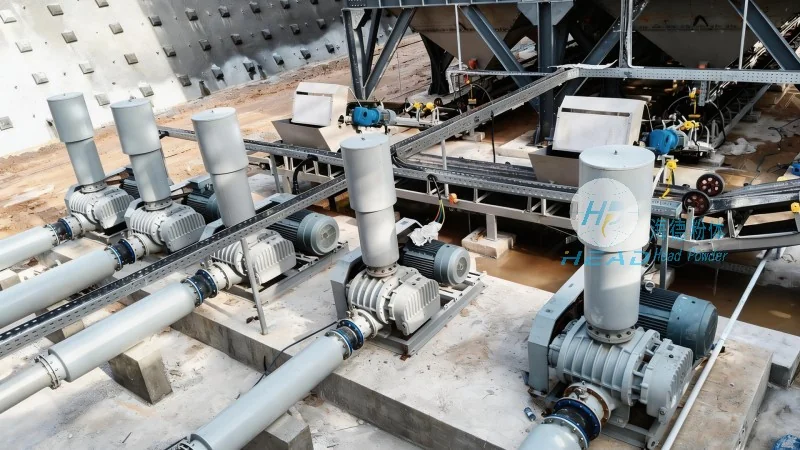
Shandong HeadPowder Engineering Co., Ltd., a leading provider of material handling solutions, specializes in designing and implementing advanced pneumatic conveying systems tailored to the specific needs of iron alumina transportation. With a strong presence in China, the company leverages its expertise to deliver high-performance conveying solutions that enhance operational productivity and reduce downtime. The company's commitment to quality and innovation has made it a trusted partner for businesses seeking to optimize their iron alumina handling processes.
Understanding the Conventional and Pneumatic Conveying Methods for Iron Alumina
Before delving into the specifics of pneumatic conveying, it's essential to understand the different approaches used for iron alumina transport. Traditional methods, such as belt conveyors and screw conveyors, have been widely used in the industry. Belt conveyors are effective for long-distance horizontal transport but may face challenges with material buildup and maintenance. Screw conveyors, on the other hand, are suitable for vertical or inclined transport but can cause material degradation due to friction and shear forces. These conventional methods, while reliable, often present limitations in terms of flexibility, scalability, and material handling efficiency.
Pneumatic conveying, as an alternative, offers a more versatile and efficient solution for iron alumina transport. Unlike mechanical conveyors, pneumatic systems use air pressure to move material through a pipeline, eliminating the need for physical contact between the material and the conveying equipment. This non-contact approach not only reduces the risk of material contamination but also minimizes wear and tear on the equipment, leading to lower maintenance costs and longer service life.
The Advantages of Pneumatic Conveying for Iron Alumina
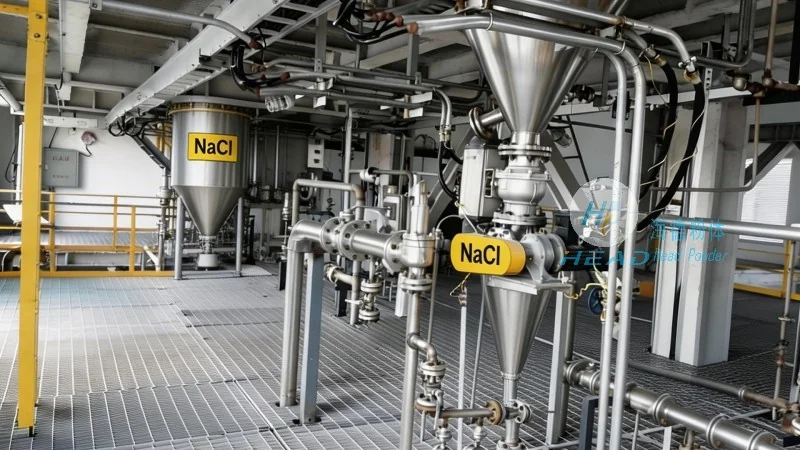
One of the primary advantages of pneumatic conveying for iron alumina is its ability to handle a wide range of material characteristics. Iron alumina, with its fine particle size and abrasive nature, can be challenging to transport using traditional methods. Pneumatic systems, particularly those utilizing positive pressure or negative pressure designs, can effectively manage these challenges by controlling air velocity and pressure to ensure stable material flow. This flexibility allows for the transportation of iron alumina in various forms, including powders, granules, and even bulk materials, without compromising on quality or efficiency.
Another key advantage is the enhanced safety provided by pneumatic conveying systems. Unlike mechanical conveyors that may pose risks of material spillage or equipment failure, pneumatic systems operate in enclosed pipelines, reducing the risk of dust emissions and environmental contamination. This is particularly important for iron alumina, which can be a respiratory hazard if inhaled. The enclosed design also minimizes the risk of accidents, making it a safer option for industrial environments.
Efficiency is another critical factor that makes pneumatic conveying ideal for iron alumina transport. Pneumatic systems can achieve high material throughput rates, often exceeding those of traditional conveyors. By optimizing air pressure and flow rates, companies can reduce the time required for material transport, leading to increased production capacity and reduced operational costs. Additionally, the ability to integrate pneumatic conveying with other processing equipment, such as storage silos and mixing systems, enhances overall process efficiency and streamlines material handling operations.
Key Features of Pneumatic Conveying Systems for Iron Alumina
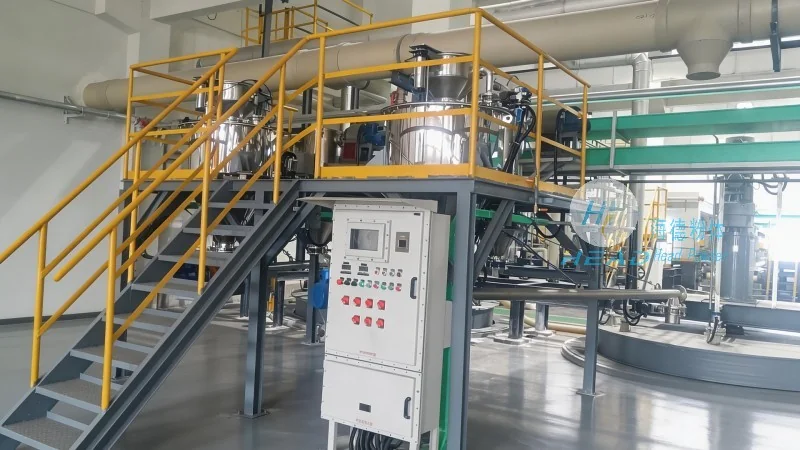
Shandong HeadPowder Engineering Co., Ltd. offers a range of pneumatic conveying systems designed specifically for iron alumina applications. These systems are equipped with advanced features that enhance performance and reliability. For instance, the company's positive pressure pneumatic conveying systems use high-pressure air to move material from the source to the destination, ensuring consistent flow rates even over long distances. The systems are also designed with high-quality materials, such as stainless steel and corrosion-resistant alloys, to withstand the abrasive nature of iron alumina and prevent material buildup or clogging.
Another notable feature is the integration of control systems that allow for real-time monitoring and adjustment of conveying parameters. These systems enable operators to optimize air pressure, flow rate, and material feed rate, ensuring efficient and safe operation. The company also provides customized solutions tailored to specific industrial requirements, including the ability to handle varying material compositions and particle sizes. This flexibility ensures that the conveying system can adapt to changing production needs and maintain optimal performance over time.
Conclusion: Choosing the Right Conveying Method for Iron Alumina
In conclusion, pneumatic conveying offers a superior alternative to traditional methods for transporting iron alumina. With its advantages in efficiency, safety, and flexibility, pneumatic systems provide a reliable solution for industrial applications. Shandong HeadPowder Engineering Co., Ltd. specializes in designing and implementing these advanced systems, leveraging its expertise to deliver customized solutions that meet the unique needs of each client. By choosing pneumatic conveying, businesses can enhance their operational productivity, reduce costs, and ensure the quality of their iron alumina products. As the demand for efficient material handling solutions continues to grow, pneumatic conveying remains a key technology in optimizing iron alumina transport processes.