Công ty TNHH Kỹ thuật Headpowder Sơn Đông chuyên vận chuyển khí nén bột và hạt. Nhờ thế mạnh hợp tác doanh nghiệp‑trường‑viện, chúng tôi cung cấp giải pháp vận chuyển kín, không bụi, độ chính xác cao.
Metallurgical coke powder is a critical material in various industrial processes, particularly in steel production and other metallurgical applications. The efficient and reliable transportation of this fine powder is essential to maintain production efficiency and product quality. Conveying systems for metallurgical coke powder have evolved over time, with several methods available, each with its own set of advantages and limitations. This article explores the different types of metallurgical coke powder conveying methods, with a particular focus on the benefits and characteristics of pneumatic conveying systems.
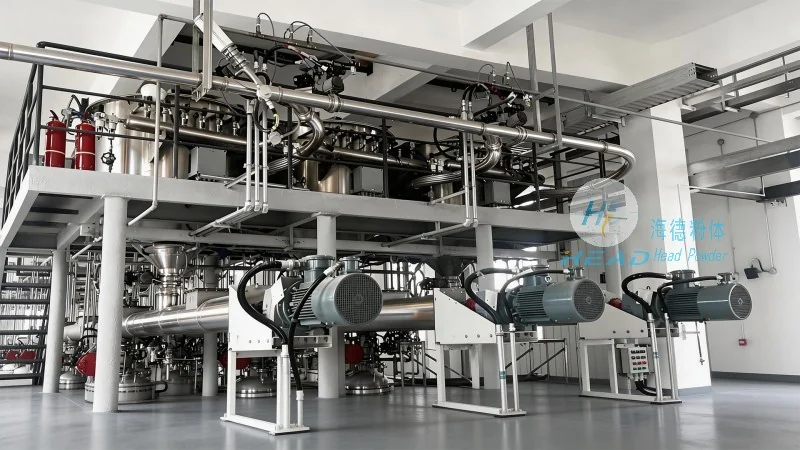
Introduction to Metallurgical Coke Powder Conveying Methods
Metallurgical coke powder, also known as coke breeze or coke fines, is a byproduct of the coking process used to produce metallurgical coke. This fine powder is typically used as a fuel or reducing agent in blast furnaces and other high-temperature applications. Due to its granular nature and potential for dust generation, transporting coke powder requires specialized equipment and methods to ensure safety, efficiency, and minimal environmental impact. Traditional conveying methods such as belt conveyors, screw conveyors, and bucket elevators have been used for decades, but they often face challenges with material handling, especially for fine powders that are prone to caking or bridging.
About HeadPowder - Shandong HeadPowder Engineering Co., Ltd.
HeadPowder, or Shandong HeadPowder Engineering Co., Ltd., is a leading manufacturer and supplier of advanced material handling solutions, including specialized conveying systems for metallurgical coke powder. With headquarters in Shandong, China, the company has built a strong reputation for delivering high-quality, reliable equipment tailored to the unique needs of the metallurgical industry. HeadPowder's expertise lies in designing and manufacturing pneumatic conveying systems that address the challenges associated with handling fine, abrasive, and potentially hazardous materials like metallurgical coke powder.
Types of Conveying Systems for Metallurgical Coke Powder
Several conveying methods are commonly employed for metallurgical coke powder, each suited to different operational requirements and material characteristics. The primary options include:
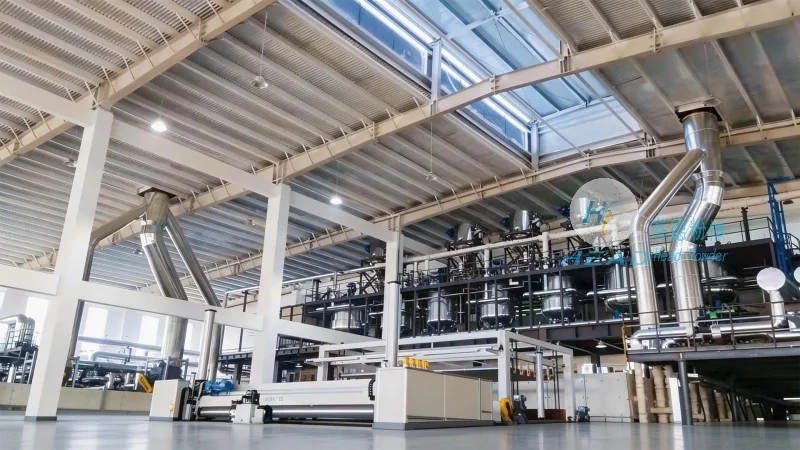
Belt Conveyors: These are widely used for bulk material transport over long distances. However, they are less effective for fine powders due to the risk of material spillage and the potential for dust accumulation, which can lead to operational inefficiencies and safety hazards.
Screw Conveyors: Screw conveyors are suitable for horizontal or slight incline transport of dry, free-flowing powders. They are relatively simple and low-cost but may struggle with cohesive or sticky coke powder, leading to blockages and reduced throughput.
Bucket Elevators: Bucket elevators are effective for vertical transport of bulk materials, including fine powders. They can handle high capacities but require regular maintenance to prevent wear and tear from abrasive coke powder.
Pneumatic Conveying: Pneumatic conveying systems use air or other gases to transport materials through a pipeline. This method is particularly well-suited for fine powders like metallurgical coke powder due to its ability to handle abrasive and dusty materials without the need for mechanical components that can cause wear.
Pneumatic Conveying: Advantages and Key Features
Pneumatic conveying has emerged as the preferred method for transporting metallurgical coke powder in many industrial applications. The core advantage of this system is its ability to move fine powders through a closed pipeline using air pressure, eliminating the need for open or mechanical conveyors that can lead to dust exposure and material loss. HeadPowder specializes in designing pneumatic conveying systems that incorporate advanced features to optimize performance and safety.
Technical Benefits of Pneumatic Conveying for Metallurgical Coke Powder
The technical advantages of pneumatic conveying for metallurgical coke powder are numerous and significant. These include:
Efficient Material Handling: Pneumatic systems can transport coke powder over long distances with minimal energy consumption compared to mechanical conveyors. The use of air as the conveying medium allows for high throughput rates while maintaining consistent material flow.
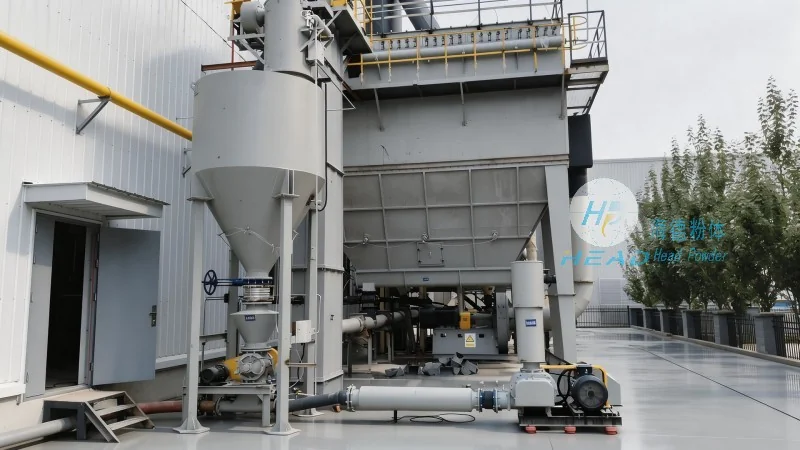
Reduced Dust and Environmental Impact: By operating in a closed system, pneumatic conveying significantly reduces dust emissions, improving workplace safety and compliance with environmental regulations. This is particularly important for handling fine, potentially hazardous coke powder.
Low Maintenance and Longevity: Pneumatic conveying systems have fewer moving parts compared to mechanical alternatives, resulting in lower maintenance requirements and longer service life. The absence of mechanical components such as belts, screws, or buckets minimizes wear and tear from abrasive coke powder.
Flexibility and Scalability: Pneumatic systems can be easily modified or expanded to accommodate changes in production volume or material characteristics. The modular design allows for integration with existing facilities or future expansion without major disruptions.
Improved Safety: The closed pipeline design of pneumatic conveying prevents material spillage and dust exposure, reducing the risk of respiratory issues or other health hazards associated with handling fine powders. This enhances workplace safety and employee well-being.
Practical Applications and Performance in Industrial Settings
HeadPowder's pneumatic conveying systems have been successfully implemented in various metallurgical facilities, demonstrating their effectiveness in real-world industrial settings. These systems are designed to handle the specific challenges of metallurgical coke powder, including its abrasive nature, fine particle size, and potential for caking. The company's expertise in material handling engineering ensures that each system is tailored to the unique requirements of the client, whether it involves transporting coke powder from storage silos to processing units, or from production lines to storage areas.
In conclusion, the choice of conveying method for metallurgical coke powder is critical to the efficiency and safety of industrial operations. While traditional methods like belt and screw conveyors have their place, pneumatic conveying offers a superior solution for handling fine, abrasive materials like metallurgical coke powder. HeadPowder, with its headquarters in Shandong, China, continues to lead the way in providing advanced pneumatic conveying systems that meet the evolving needs of the metallurgical industry, ensuring reliable, efficient, and safe material transport.

 Shandong Headpowder Engineering Co., Ltd.
 156-6277-7102(Quản lý Trương)
  0531-83386006
  Thành phố Tế Nam, Tỉnh Sơn Đông, Trung Quốc
Điện thoại
WeChatTư vấn
Lên đầu