

Common Flake Sodium Hydroxide Conveying Methods: An Overview of Air-Pneumatic Conveying
When it comes to transporting flake sodium hydroxide, selecting the right conveying method is crucial for ensuring efficiency, safety, and cost-effectiveness in industrial operations. As a leading provider in the field, Shandong HeadPowder Engineering Co., Ltd. (commonly known as HeadPowder) specializes in advanced material handling solutions tailored to meet the diverse needs of chemical processing industries. This article explores the common methods used for flake sodium hydroxide conveyance, with a particular focus on air-pneumatic conveying systems, which have become increasingly popular due to their flexibility and effectiveness.
Understanding Flake Sodium Hydroxide and Its Conveying Challenges
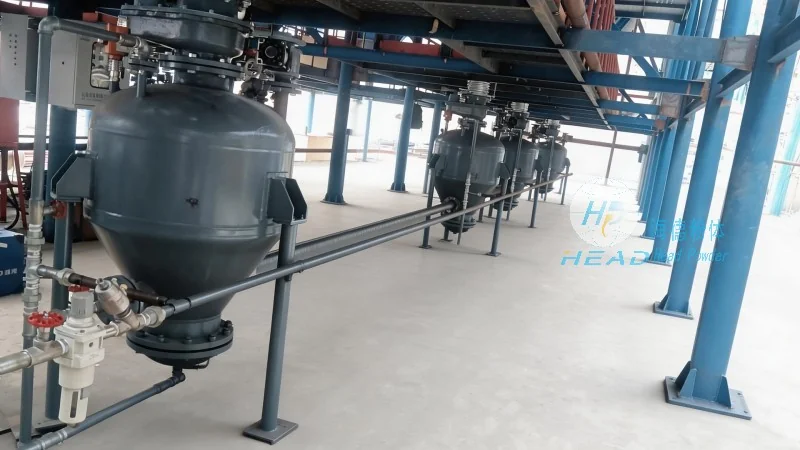
Flake sodium hydroxide, also known as caustic soda, is a highly caustic and reactive chemical widely used in various industrial applications, including pulp and paper production, chemical manufacturing, and water treatment. Its flake form, characterized by irregularly shaped solid pieces, presents unique challenges during transportation. Traditional methods such as manual handling or simple mechanical conveyors often struggle with issues like dust generation, material degradation, and inefficient throughput. These challenges highlight the need for specialized conveying systems that can handle the material's properties while maintaining operational safety and productivity.
Common Conveying Methods for Flake Sodium Hydroxide
Several conventional conveying methods are employed in the industry for transporting flake sodium hydroxide. These include belt conveyors, screw conveyors, and bucket elevators. Belt conveyors are widely used for horizontal or slight incline transport, offering a cost-effective solution for moderate distances. However, they may not be suitable for vertical or high-angle applications due to the risk of material spillage and increased friction. Screw conveyors, on the other hand, are effective for vertical or inclined transport but can cause material degradation and clogging if the material is too abrasive or has high moisture content. Bucket elevators provide efficient vertical transport but require regular maintenance to prevent wear and tear. Despite their widespread use, these methods often face limitations in handling the specific characteristics of flake sodium hydroxide, leading to operational inefficiencies and increased maintenance costs.
Introduction to Air-Pneumatic Conveying Systems
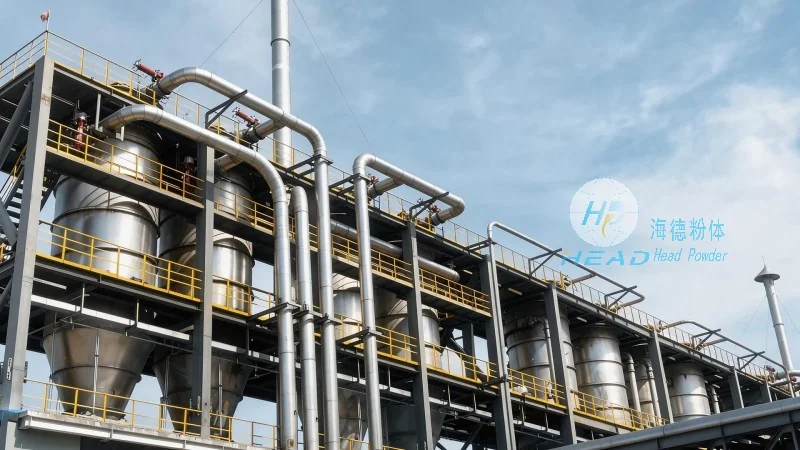
Air-pneumatic conveying, or pneumatic conveying, is a technology that uses compressed air to transport bulk materials through a pipeline system. This method has gained significant traction in the flake sodium hydroxide industry due to its ability to handle the material's properties while offering several advantages over traditional methods. The core components of an air-pneumatic conveying system include a hopper, a blower or compressor, a pipeline network, and a receiver. The process begins with the material being fed into the hopper, where it is then pneumatically conveyed through the pipeline using the force of compressed air. The system can operate in either positive or negative pressure modes, depending on the application requirements.
Key Advantages of Air-Pneumatic Conveying for Flake Sodium Hydroxide
One of the primary advantages of air-pneumatic conveying is its ability to handle the caustic nature of flake sodium hydroxide without causing material degradation. The enclosed pipeline system prevents exposure to the environment, reducing dust generation and minimizing the risk of contamination. Additionally, this method offers high flexibility, allowing for vertical, horizontal, or complex route configurations to accommodate the layout of industrial facilities. The system can also be easily integrated with other processing equipment, enabling seamless material flow from storage to processing units. Another key benefit is the reduced need for mechanical components, which lowers maintenance costs and increases operational reliability. Compared to traditional conveyors, air-pneumatic systems typically have lower installation costs for complex routes and can handle materials with varying flow properties.
Operational Considerations and Best Practices
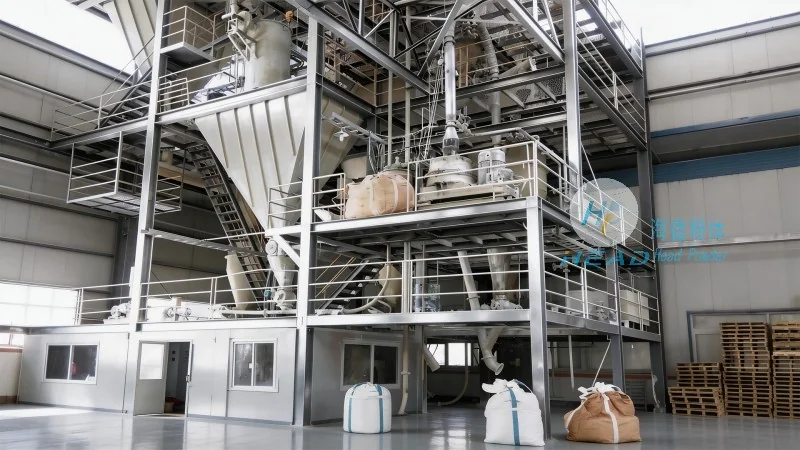
While air-pneumatic conveying offers numerous benefits, proper operational considerations are essential to maximize efficiency and safety. The selection of the right air velocity is critical to ensure smooth material transport without causing excessive pressure drops or material degradation. HeadPowder recommends maintaining an air velocity within the optimal range for the specific material being conveyed, typically between 20 to 30 meters per second for flake sodium hydroxide. Additionally, regular maintenance of the blower, pipeline, and hopper is crucial to prevent blockages and ensure consistent performance. The use of appropriate filters and cleaning systems is also important to maintain air quality and prevent dust accumulation in the system. Proper training for operators on the safe operation of air-pneumatic systems is another critical aspect to mitigate risks associated with handling caustic materials.
Conclusion: Choosing the Right Conveying Solution with HeadPowder
As the demand for efficient and safe flake sodium hydroxide conveyance continues to grow, air-pneumatic conveying has emerged as a preferred solution in the industry. With its ability to handle the material's unique properties while offering flexibility and cost-effectiveness, this technology has become a cornerstone of modern material handling systems. Shandong HeadPowder Engineering Co., Ltd. leverages its expertise in designing and implementing advanced air-pneumatic conveying systems to meet the specific needs of its clients. By combining cutting-edge technology with industry best practices, HeadPowder ensures that its solutions not only enhance operational efficiency but also prioritize safety and sustainability. For industries seeking reliable and effective flake sodium hydroxide conveying methods, air-pneumatic conveying, supported by HeadPowder's expertise, represents a superior choice.